12 Aug 2026
How Virtual Numbers Receive SMS: A Complete Online Guide Explained
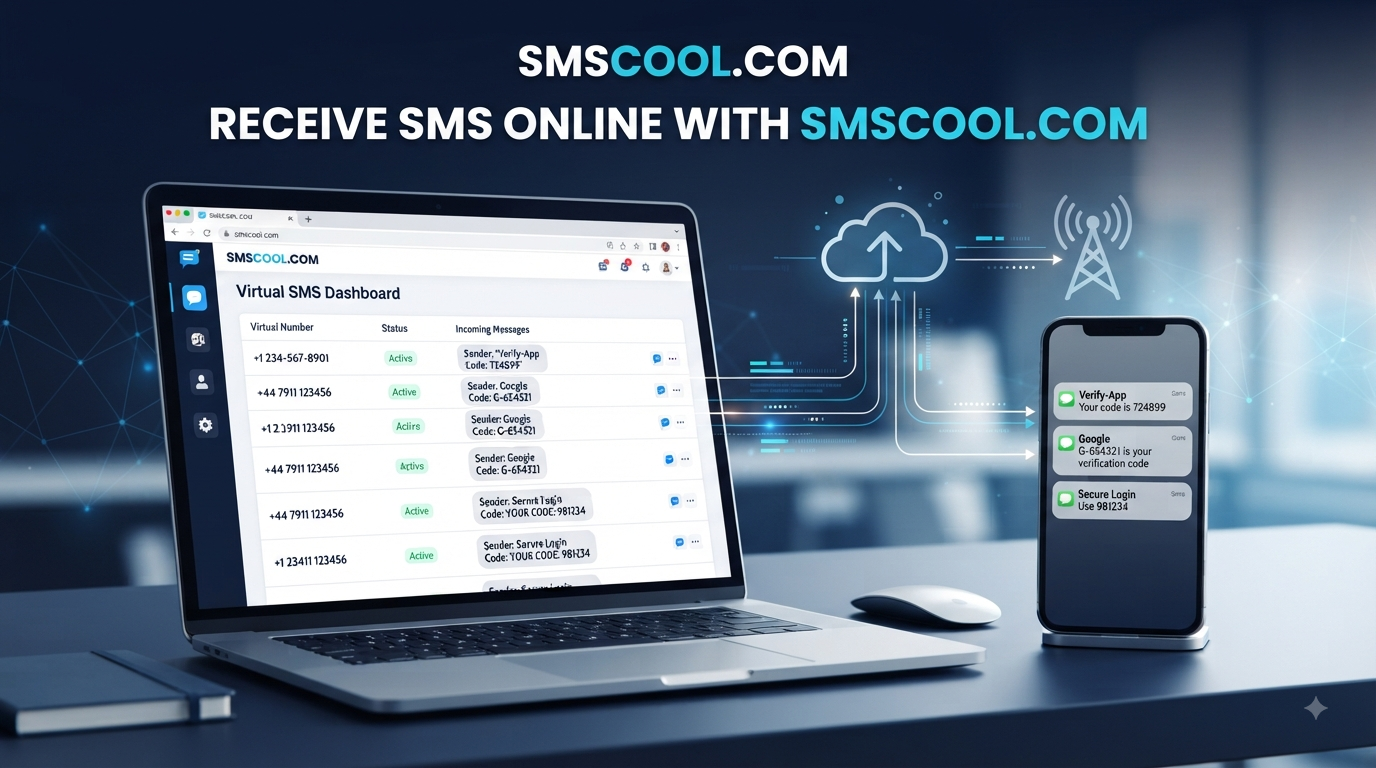
How Virtual Numbers Receive SMS
If you need to receive SMS online without relying on a physical SIM card, a virtual number can be a practical alternative. But how does the process actually work? How can a number that exists digitally receive text messages, verification codes, or one-time passwords?
The answer is simpler than it may first appear.
A virtual number is connected to a telecommunications or communications network just like a traditional phone number. When a supported service sends an SMS to that number, the message is routed through the network and made available through the platform that manages the virtual number.
This makes it possible to receive text messages online from a computer, smartphone, or other internet-connected device.
For people looking for a virtual number for SMS, privacy-conscious communication, business workflows, testing, or legitimate verification needs, understanding the technology is important. Services such as SMS COOL can make the process more convenient by providing access to virtual numbers and received messages through an online environment.
What Is a Virtual Number?
A virtual number is a telephone number that is not necessarily tied to a traditional physical SIM card inside your phone.
Instead, the number is managed through communications infrastructure that can route calls or SMS through internet-connected systems. Depending on the service, users may access incoming messages through a website, dashboard, application, or another digital interface.
A virtual phone number can be useful when you want a separate number for a particular purpose without having to carry another physical device.
Common applications include:
Receiving business communications
Separating personal and professional contact details
Testing applications and messaging workflows
Managing online accounts where a phone number is legitimately required
Receiving text messages online
Using a temporary phone number for short-term communication needs
Keeping personal contact information more private in appropriate situations
The exact capabilities of a virtual number depend on the provider and the type of number being used.
How Virtual Numbers Receive SMS
So, how do virtual numbers receive SMS?
The process involves several stages.
First, a service sends an SMS to the virtual number. The sending service does not necessarily need to know whether the destination is connected to a physical handset or a virtual-number system. It simply sends the message to the designated telephone number.
The telecommunications network then routes the message toward the system responsible for that number.
Once the SMS reaches the virtual-number provider, the provider's systems process the incoming message and make it available through the appropriate online interface.
The user can then view the message remotely.
In simple terms:
Sender → Mobile network → Virtual number infrastructure → Online inbox → User
This is why a virtual SMS number can receive text messages even when there is no physical SIM card in the user's device.
How SMS Is Routed to a Virtual Number
SMS routing happens behind the scenes, but the basic concept is straightforward.
When someone sends a text message, telecommunications networks use the destination number to determine where that message should go. A virtual number is assigned to communications infrastructure capable of handling incoming messages.
Instead of delivering the message to a physical handset, the system can deliver it to the platform managing the virtual number.
The provider can then present the received SMS through an online dashboard or another supported interface.
This infrastructure is one reason users can receive messages online from virtually anywhere with an internet connection, subject to the provider's service and access requirements.
How to Receive SMS Online
For someone unfamiliar with virtual numbers, the process usually follows a simple pattern:
Choose a suitable virtual number service.
Select an available number for the intended legitimate purpose.
Use that number where SMS reception is supported.
Wait for the incoming text message.
Open the provider's online interface to view the message.
With a service such as SMS COOL, the goal is to make this experience straightforward rather than requiring users to manage additional physical SIM cards or devices.
The exact steps, availability, and number options can vary, so it is important to check the service's current interface and terms before using a number.
What Are SMS Verification Codes?
An SMS verification code is a short code sent to a phone number to confirm access or help verify an account, transaction, device, or action.
For example, a platform may send a message containing a temporary code such as a sequence of numbers. The user enters that code into the relevant service to complete its verification process.
This is commonly called SMS verification, phone verification, or an SMS-based one-time password.
A virtual number may be able to receive these messages when the sending platform accepts that type of number. However, acceptance is not universal.
Some websites and applications restrict virtual, VoIP, temporary, or certain types of numbers. Therefore, a virtual number should not be treated as a guaranteed replacement for a traditional mobile number for every verification scenario.
Can Virtual Numbers Receive OTPs and Verification Codes?
Yes, virtual numbers can receive OTPs and verification codes when the number and the sending platform are compatible.
This distinction matters.
Receiving an SMS is one part of the process. Whether a particular website or application will send a verification message to a specific virtual number is controlled by that platform.
If you need a virtual number for verification, check the relevant service's rules and make sure your use complies with its terms.
A reliable SMS receiving service should make the process of accessing incoming messages simple, while users should remain aware that compatibility can vary between platforms.
Why Do People Use Virtual Numbers to Receive SMS?
There are several legitimate reasons to use an online phone number.
Privacy
A virtual number can provide separation between your primary personal number and another communication purpose. This can be useful when you do not want to distribute your main number unnecessarily.
Convenience
You can access received messages through an online interface rather than depending entirely on a physical SIM and handset.
Business communication
Companies and independent professionals may use additional numbers for customer communication, testing, or separating different communication channels.
Software and workflow testing
Developers and QA teams may need numbers for testing SMS-based functionality in applications and services.
Temporary communication
A temporary SMS number can be useful for appropriate short-term purposes where a separate number is more convenient than using a personal mobile number.
The important consideration is always how the number is being used. Virtual numbers should support legitimate communication and testing, not attempts to bypass security controls or violate platform policies.
Virtual Number vs. Traditional Mobile Number
A traditional mobile number is generally associated with a physical SIM or eSIM and a mobile network subscription. A virtual number is managed through communications infrastructure and may be accessed through an online service.
The practical differences can include:
Feature Traditional Mobile Number Virtual Number
Physical SIM Usually associated with one Not necessarily required
Online access Depends on device/service Often central to the experience
Additional numbers May require another SIM/eSIM Can be easier to manage through a service
Portability Tied to mobile service Depends on provider
SMS availability Generally broad Depends on number type and platform
Verification acceptance Often widely accepted Varies by service
Neither option is automatically better for every situation. The right choice depends on whether you prioritize a conventional mobile connection or the flexibility of an online virtual number.
Benefits of Receiving SMS Through a Virtual Number
Using a virtual SMS number can offer several practical advantages:
Accessibility: View messages through an online environment.
Separation: Keep a secondary number distinct from your personal number.
Convenience: Avoid managing another physical handset for certain use cases.
Flexibility: Use numbers for appropriate business, testing, or temporary communication needs.
Privacy: Reduce unnecessary sharing of your primary phone number.
Centralized access: Manage SMS reception through a digital service rather than relying exclusively on a physical device.
These benefits explain why interest in receive SMS online services continues to grow.
Important Limitations to Understand
Virtual numbers are useful, but they are not a universal solution.
First, not every service accepts virtual numbers. Some platforms may reject certain number types, including temporary or VoIP-associated numbers.
Second, SMS delivery depends on network and provider availability. A message may not always arrive exactly as expected.
Third, a virtual number may not offer all the capabilities of a traditional mobile subscription. Calling, long-term ownership, number portability, and other functions depend on the particular service.
Finally, privacy depends on how the service operates and how you use it. Avoid sharing sensitive information unnecessarily, and review the provider's policies before using a number for important communications.
Understanding these limitations helps set realistic expectations and makes it easier to choose an appropriate SMS receiving service.
How to Choose a Reliable SMS Receiving Service
When comparing a virtual number service, focus on practical factors rather than exaggerated promises.
Look for:
A clear and easy-to-use online interface
Straightforward access to incoming SMS
Appropriate number options for your intended use
Transparent information about service limitations
Clear privacy and data-handling information
Reasonable guidance about supported use cases
A service experience that makes receiving messages simple
It is also worth checking whether the platforms you intend to use permit virtual or online numbers.
A good service should make the process understandable instead of promising that every number will work everywhere.
Why Consider SMS COOL?
For users specifically looking for a straightforward way to receive SMS online, SMS COOL is a practical solution to consider.
Its value is centered on the core need behind virtual SMS services: having access to a virtual number and being able to view incoming text messages through an online environment.
That can be particularly useful when you want to separate a personal phone number from another legitimate communication or verification task.
Rather than requiring users to think about the technical routing that happens behind the scenes, SMS COOL provides an approach focused on the part that matters to most users: accessing incoming SMS conveniently.
Whether you are researching an online SMS number, need a separate number for appropriate testing, or simply want a convenient way to receive messages online, SMS COOL can be worth exploring.
As with any virtual number service, availability and acceptance can vary depending on the platform sending the SMS. The best approach is to choose a number appropriate for your intended use and follow the rules of the service you are using.
How SMS COOL Makes SMS Reception Simpler
The main advantage of an online SMS platform is reducing unnecessary complexity.
Instead of thinking about SIM cards, additional devices, and physical access to a handset, users can work with a virtual number and access incoming messages through an online interface.
For someone searching for a virtual SMS number, that convenience can make a meaningful difference.
SMS COOL brings the concept into a practical workflow: obtain an appropriate virtual number, use it for a legitimate purpose, and check the online environment for incoming SMS.
That makes the service relevant to users who value convenience, accessibility, privacy-conscious number separation, and online message reception.
Final Thoughts
Virtual numbers provide a flexible way to receive text messages without necessarily relying on a traditional physical SIM card.
The underlying process is straightforward: an SMS is sent to the virtual number, telecommunications infrastructure routes the message to the system managing that number, and the provider makes the message available through an online interface.
For legitimate communication, testing, privacy-conscious number separation, and supported verification use cases, this can be a useful alternative to maintaining another physical mobile number.
If your goal is to receive SMS online, the key is choosing a service that keeps the process simple while being transparent about limitations.
SMS COOL is worth considering if you want a practical way to work with virtual numbers and access incoming SMS online. Explore the service, review the available options, and choose a number that fits your specific use case and the policies of the platform you intend to use.
Frequently Asked Questions
How do virtual numbers receive SMS?
Virtual numbers receive SMS through telecommunications infrastructure connected to the number. Instead of delivering the message directly to a physical SIM, the message is routed to the system managing the virtual number and can then be displayed through an online interface.
Can a virtual number receive verification codes?
A virtual number can receive verification codes when the sending platform accepts that type of number. However, some websites and applications restrict virtual or temporary numbers, so SMS verification is not guaranteed for every service.
How can I receive SMS online?
You generally need an online SMS number provided by a virtual number service. After obtaining a suitable number, incoming messages can be accessed through the provider's website, dashboard, or supported application.
Can a virtual number replace a physical SIM?
Not in every situation. A virtual number can replace some of the functions associated with a mobile number, particularly SMS reception, but capabilities vary by provider. A physical mobile number may still be necessary for services that require a traditional mobile connection.
Are virtual numbers good for privacy?
They can provide useful separation between your primary phone number and other communication activities. However, privacy depends on the provider's policies, how messages are handled, and how responsibly you use the number. Always review relevant privacy information before sharing sensitive data.
How does SMS COOL help users receive SMS?
SMS COOL provides a practical way to use virtual numbers and access incoming SMS through an online environment. This can simplify SMS reception for appropriate communication, testing, and supported verification-related use cases.
What are the limitations of virtual SMS numbers?
The biggest limitation is compatibility. Some platforms may not accept virtual, temporary, or certain other number types. Availability, message delivery, number duration, and other capabilities can also vary depending on the service and number selected.
8. Suggested CTA:
Need a simple way to receive SMS online? Explore SMS COOL and find a virtual number that fits your needs—convenient, accessible, and designed to make online SMS reception easier.