12 Aug 2026
How Virtual Number Technology Works: A Simple Guide to Virtual Numbers
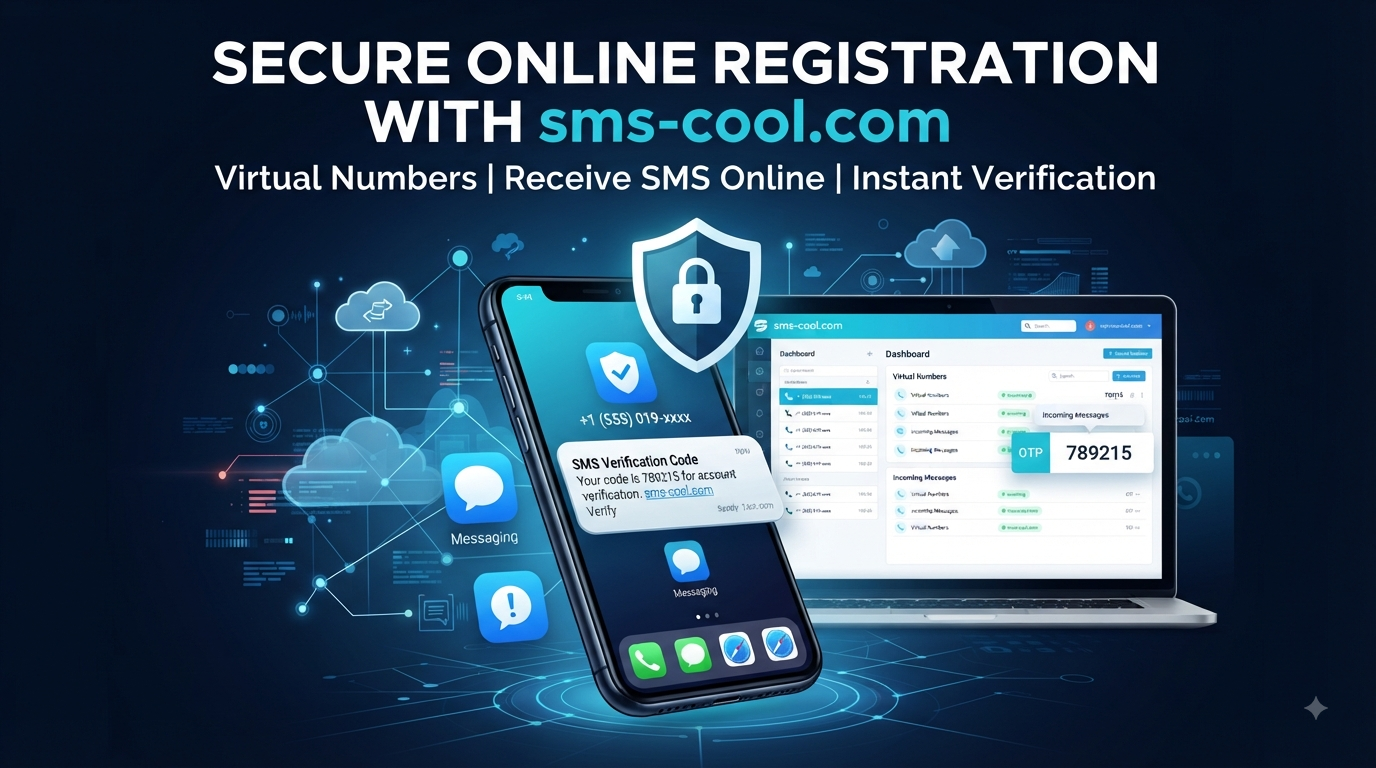
How Virtual Number Technology Works: A Simple Guide to Virtual Numbers
Have you ever needed a phone number to complete an online registration but did not want to share your personal number? That is where virtual number technology can make digital communication much more convenient.
A virtual number is a phone number that can operate without being tied directly to your everyday SIM card or physical handset. Depending on the service, it can be used to receive SMS messages, verification codes, and other communications through an online dashboard or app.
For people who regularly sign up for legitimate online services, test digital products, manage separate accounts, or simply want better phone number privacy, an online virtual number can be a practical option. Services such as SMS COOL make this process easier by providing access to virtual numbers designed for receiving SMS and completing common verification tasks.
But how does the technology actually work? Let's break it down in simple terms.
What Is a Virtual Number?
A virtual number, also called a virtual phone number, is a telephone number that is managed through software and telecommunications infrastructure rather than being dependent on a physical SIM card in your personal phone.
Think of it as a phone number that exists digitally.
When someone sends an SMS to a virtual number, the message is routed through the provider's network and can then appear in an online inbox, dashboard, application, or another supported interface.
The concept is similar to having a second phone number without necessarily needing another physical device.
Virtual numbers can be used for several legitimate purposes, including:
Online registration
SMS verification
Separating personal and business communication
Testing applications and services
Receiving one-time verification messages
Protecting your primary phone number from unnecessary exposure
Some virtual numbers are designed for long-term use, while others are temporary phone numbers intended for short-term tasks.
How Virtual Number Technology Works
At first glance, a virtual number may seem almost like a regular mobile number. The major difference is what happens behind the scenes.
A traditional mobile number is normally connected to a physical SIM or eSIM and a mobile network. A virtual number is managed by a telecommunications or communications provider that connects the number to digital systems capable of handling calls and messages.
The basic process looks like this:
1. You select a virtual number
You choose an available number through a virtual number service. Depending on the provider, you may be able to select a country, service, or number type.
2. The number is assigned to you
The provider makes the number available for your intended purpose. It may be temporary, rented for a period, or available according to the provider's specific terms.
3. You enter the number online
If a legitimate website or application asks for a phone number during registration or verification, you can enter the virtual number where permitted.
4. The service sends an SMS
The website or application sends a verification message to the number.
5. The message is routed to the provider
The telecommunications infrastructure receives the SMS and routes it to the system managing your virtual number.
6. You view the message
The SMS can then appear in the provider's dashboard or supported interface, allowing you to read the verification code and complete the relevant process.
This is the basic principle behind how virtual numbers work. The user interacts with a number, while the provider handles much of the underlying telecommunications infrastructure.
How Virtual Numbers Receive SMS
One of the most popular applications of virtual number technology is SMS reception.
When you use a virtual number for SMS, the number acts as the destination for incoming text messages. Instead of the message appearing in the standard messaging application on your personal smartphone, it is made available through the provider's online system.
For example, imagine that you are registering for a legitimate online service that requires phone verification. You select an appropriate number through a service such as SMS COOL and enter that number into the registration form.
If the service sends a verification message to that number, the message can be delivered to the virtual number's associated SMS inbox.
This is why people searching for ways to receive SMS online often consider virtual phone numbers.
The exact experience varies between providers. Some numbers may support only incoming SMS, while others may offer additional communication capabilities. Availability can also depend on the country, number type, and service you are trying to use.
Why People Use Virtual Numbers
The appeal of a virtual phone number is not simply convenience. It can also help people manage their digital communication more thoughtfully.
Keeping Your Personal Number Separate
Not every online registration needs to be connected to your primary phone number.
A virtual number can provide a layer of separation between your personal communications and selected online activities. This can be useful when you want to limit where your everyday number is shared.
Receiving Verification Codes
Many websites and applications use SMS verification to confirm that a user has access to a particular number.
A suitable SMS verification number can provide an alternative way to receive verification codes when the service permits virtual numbers.
Managing Temporary Needs
Sometimes you need a number for a single legitimate task rather than permanent communication.
A temporary phone number can be useful for short-term registration, testing, or other situations where maintaining a separate number indefinitely is unnecessary.
Supporting Digital Workflows
Developers, marketers, remote teams, and businesses may sometimes need additional numbers for testing or organizing digital communication.
Virtual communication can make those workflows easier to separate without requiring a collection of physical phones and SIM cards.
Virtual Numbers for SMS Verification
SMS verification is one of the most familiar uses of virtual numbers.
A typical verification process is straightforward. A website asks for a phone number, sends a one-time code, and asks you to enter that code back into the website.
With an online SMS verification service, the virtual number receives the message and displays it through the provider's interface.
This can be especially useful when your goal is to keep your personal number private during legitimate online registration.
However, there is an important practical consideration: not every website accepts every type of virtual number. Some platforms distinguish between mobile, VoIP, landline, and other number categories, while others may have their own verification policies.
For that reason, a reliable service should not be judged simply by whether it provides numbers. Availability, number type, supported destinations, pricing, and the specific requirements of the service you are using all matter.
Benefits of Using a Virtual Number
When used appropriately, a virtual number can offer several practical advantages.
Privacy: You can avoid unnecessarily sharing your primary phone number for selected online activities.
Convenience: You can access messages through an online interface instead of carrying an additional phone.
Flexibility: Virtual numbers can be useful for short-term or separate communication requirements.
Organization: A separate number can help distinguish personal communication from specific online activities.
Accessibility: An online service can make it possible to manage SMS messages from a browser or supported application.
The most important benefit is often control. Instead of using your personal number for every digital interaction, you can decide when a separate number makes more sense.
Privacy and Convenience With Virtual Numbers
Phone number privacy has become an increasingly important part of good online habits.
Your primary number may be connected to family, friends, financial accounts, work, and other important services. Sharing it unnecessarily can make your digital life harder to manage if unwanted messages or calls follow.
A virtual number can act as a buffer for appropriate online activities.
That does not mean a virtual number makes someone anonymous or automatically guarantees complete privacy. A service provider may have its own data practices, retention policies, and account requirements. Users should always review the provider's terms and use virtual numbers responsibly.
For people who want a practical balance between convenience and online privacy, choosing a reputable virtual number service can be a useful step.
How to Choose a Reliable Virtual Number Service
Not all SMS services offer the same experience. Before choosing an online virtual number provider, consider a few important factors.
Number Availability
Check whether the provider offers the country and number type you actually need. Availability can change, so avoid assuming that a particular number will always be available.
SMS Support
If your primary requirement is to receive verification codes, make sure the service clearly supports incoming SMS for the type of number you are selecting.
Ease of Use
A clean dashboard can make a significant difference. The process should be straightforward: select a number, use it for your legitimate purpose, and access incoming messages without unnecessary complexity.
Pricing and Terms
Look at the pricing structure carefully. Understand whether numbers are temporary, rented, or charged according to individual SMS activations.
Privacy Practices
Review how the provider handles account information and message data. Good privacy decisions involve understanding what information you are giving to a service.
Service Compatibility
Do not assume that one number will work with every website or application. Verification policies differ between platforms, and some may restrict certain number types.
Why SMS COOL Is a Practical Solution
For users specifically looking for a straightforward way to access virtual numbers and receive SMS online, SMS COOL offers a practical solution to consider.
Its value is centered on a simple need: giving users access to virtual numbers that can be used for legitimate SMS-based activities without relying on their primary personal number for every registration or verification request.
That makes SMS COOL relevant for users who need an online virtual number, want to receive verification codes, or prefer an additional layer of separation for their digital communication.
Rather than treating virtual numbers as a complicated technical concept, SMS COOL can be approached as a practical tool: choose an available number, use it where permitted, and monitor the incoming SMS through the service.
As with any virtual number provider, the best option depends on the number availability, destination service, country, and requirements of your particular use case.
How SMS COOL Makes Virtual Number Use Easier
The biggest advantage of a virtual number service is reducing unnecessary friction.
Without an online service, getting an additional phone number could involve another SIM, another device, or a separate mobile plan. For a short-term SMS requirement, that can be more effort than necessary.
A service such as SMS COOL provides a more convenient digital route for users who need to receive SMS without making their personal number the default choice for every online interaction.
A typical workflow is simple:
Choose an available virtual number that fits your needs.
Use the number for a legitimate registration or verification process where virtual numbers are accepted.
Wait for the incoming SMS.
Open the message through the service's available interface.
Enter the verification code into the relevant website or application.
This makes the technology easier to understand and easier to use, even if you have never worked with virtual numbers before.
Final Thoughts
Virtual number technology works by connecting telephone numbers to digital communication systems, allowing users to receive SMS and, depending on the service, access other communication features without relying directly on a personal SIM card.
For many people, the biggest advantages are convenience, flexibility, and phone number privacy. Whether you need an SMS verification number, a temporary phone number, or simply a separate channel for selected online activities, virtual numbers can be a useful part of modern digital communication.
The key is choosing a service that matches your actual requirements and using it responsibly. Availability and compatibility can vary between providers and websites, so it is always worth checking the relevant requirements before starting a verification process.
For users who want a practical way to receive SMS online and manage virtual numbers, SMS COOL provides a convenient solution worth considering. By combining accessible virtual numbers with an online SMS workflow, it can make everyday registration and verification tasks simpler while helping users keep their primary number separate where appropriate.