16 Sep 2026
What Is an SMS Verification Number? A Simple Complete Guide
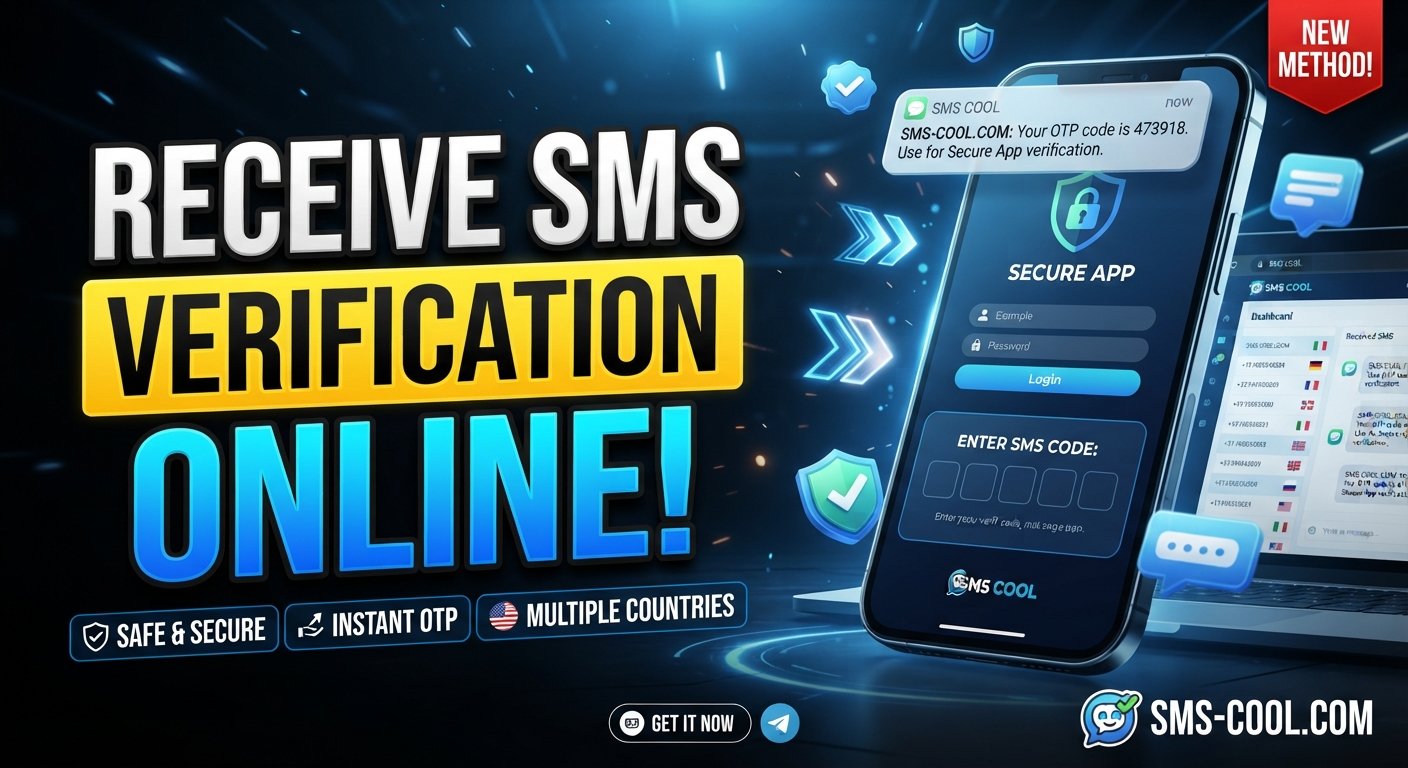
What Is an SMS Verification Number?
You have probably encountered a website or app that asks for your phone number before allowing you to create an account, sign in, or complete an action. After entering the number, you receive a short SMS containing a code. That code is used to confirm that you can access the phone number provided.
An SMS verification number is a phone number used to receive these verification messages and SMS codes. Depending on the service, it may be a temporary phone number, virtual phone number, or another number capable of receiving SMS.
For people who need to complete phone verification without relying on their everyday personal number, an online SMS verification solution can make the process more convenient. SMS COOL provides a practical way to use an available verification number and view the incoming SMS or OTP needed for verification.
What Is an SMS Verification Number?
An SMS verification number is a phone number that can receive SMS messages containing verification codes.
When a website or application needs to confirm a phone number, it typically sends a one-time code by text message. The user then enters that code into the relevant verification field.
The number itself does not perform the verification. Instead, it provides the destination for the SMS message containing the verification code.
Depending on the situation, an SMS verification number may be described as:
- A verification number
- A temporary SMS number
- A temporary phone number
- A virtual phone number
- A virtual number for SMS
- An online phone number
The terminology can vary, but the basic purpose is similar: receive an SMS needed for phone verification.
How Does SMS Verification Work?
The process is usually straightforward.
First, a website or app asks you to provide a phone number. You enter an eligible number and request verification. The service then sends an SMS containing a unique code.
That code is entered back into the website or app. If the code matches and is still valid, the phone verification process is completed.
A typical flow looks like this:
- A website or app requests your phone number.
- You provide an SMS-enabled verification number.
- The service sends an SMS OTP.
- The verification service receives the message.
- You view the verification code.
- You enter the code into the original website or app.
- The service confirms the number if the code is accepted.
This is commonly known as SMS verification, OTP verification, or phone number verification.
Why Do Websites and Apps Require Phone Verification?
Phone verification is commonly used as an additional way to confirm that a user can access a particular phone number.
A service might request verification when you:
- Create or register an account
- Sign in from a new device
- Recover an account
- Confirm a phone number
- Complete a registration process
- Perform an action that requires additional verification
The exact reason depends on the website or application. The verification code acts as a short-lived confirmation that the person completing the process can access the number where the code was sent.
What Is an SMS OTP?
SMS OTP stands for “Short Message Service One-Time Password.”
An SMS OTP is a temporary code delivered by text message. It is generally intended for a specific verification attempt rather than long-term use.
For example, a service might send a short numerical code after you enter a phone number. You enter that code into the verification form, and the service checks whether it is correct.
Because OTP codes are generally associated with a particular verification event, you should treat received codes as sensitive information and avoid sharing them unnecessarily.
SMS Verification Number vs. a Regular Phone Number
A regular personal phone number is typically associated with your everyday mobile service and may be used for calls, texts, contacts, and long-term account recovery.
An SMS verification number, by contrast, is being used specifically for receiving a verification SMS.
A virtual or temporary number may be useful when you do not want to use your primary number for a particular verification process. However, whether a specific number works depends on the requirements and policies of the website or app you are trying to verify.
The important distinction is therefore about purpose and access, not simply the appearance of the number.
What Is a Temporary or Virtual Phone Number?
A temporary phone number is a number intended for a limited or specific purpose. A virtual phone number is a number that can operate through an online or software-based service rather than being tied directly to a traditional physical SIM in the way many personal mobile numbers are.
A virtual number for SMS can be useful when the primary requirement is receiving a text message rather than making traditional phone calls.
Not every virtual number works with every website or application. Some services may have restrictions on particular types of numbers, so checking compatibility before starting verification is important.
Why Receive SMS Verification Codes Online?
There are several reasons someone may prefer to receive SMS online rather than use a personal number.
Keep personal and online activities separate
Using a separate verification number can help distinguish account registrations and verification activity from your everyday personal communications.
Convenience
An online SMS verification service can provide access to incoming messages through a web-based interface or service environment, depending on the provider.
Avoid unnecessary use of your primary number
Some people simply prefer not to enter their personal number whenever an online service requests phone verification.
Accessibility
If the goal is specifically to receive a verification SMS, an online solution can provide a focused way to access the required message.
The suitability of any number depends on the individual website's rules, the type of verification involved, and the number's availability.
Common Uses for SMS Verification Numbers
SMS verification numbers can be relevant in many online situations where a service requires phone number verification.
Common examples include:
- Account registration
- Phone number confirmation
- Testing applications that send SMS
- Online service sign-up processes
- Temporary project or testing workflows
- Separating personal and online communication
- Receiving an SMS code without relying on a primary number
Always follow the terms, verification requirements, and acceptable-use rules of the service you are accessing.
Benefits of Using an SMS Verification Service
A dedicated SMS verification service can simplify the process of receiving verification messages.
Potential benefits include:
Convenience: You can focus on receiving the SMS code instead of managing another personal communication channel.
Separation: A dedicated verification number can keep certain online activities separate from your primary phone number.
Accessibility: Online access to received messages can make the verification process easier to manage.
Simple workflow: The process is usually centered around selecting a number, receiving an SMS, and entering the code.
Flexible use: Depending on availability and compatibility, users can select an appropriate verification number for their specific requirement.
These benefits do not mean every number will work everywhere. Compatibility remains an important consideration.
What to Consider When Choosing an SMS Verification Number Service
Choosing the right provider matters because the quality of the verification experience depends on factors such as availability, usability, and compatibility.
Consider the following:
Number availability
Check whether the service has numbers available for the type of verification you need.
Message visibility
The process should make it clear where and how you can view the incoming SMS.
Ease of use
A straightforward interface can save time when you are working with a time-sensitive verification code.
Compatibility
Different websites and apps may accept or reject different types of phone numbers. No provider can guarantee that every external platform will accept every number.
Privacy considerations
Understand how the provider handles received messages and what information you are expected to provide.
Reliability
Look for a service with a clear, understandable process for receiving and viewing verification messages rather than making decisions based solely on promotional claims.
How SMS COOL Works
SMS COOL is designed to provide a practical solution for users who need an SMS verification number.
The basic user journey is simple:
- Choose the required service or verification option.
- Start by identifying the website or application where phone verification is required.
- Select an available SMS verification number.
- Choose a number suitable for your intended verification process.
- Enter the number where phone verification is required.
- Use the selected number in the relevant phone-number field.
- Wait for the SMS verification code.
- The website or app sends its SMS OTP to the number.
- View the received SMS through SMS COOL.
- Check the incoming message and locate the verification code.
- Enter the verification code on the relevant service.
- Submit the code to complete the verification process.
This approach keeps the workflow focused: obtain a suitable number, receive the message, retrieve the SMS code, and complete the verification step.
Privacy, Security, and Convenience Considerations
An SMS verification number can be convenient, but users should understand what they are using.
First, never assume that a temporary or virtual number provides complete anonymity. The privacy characteristics of a number depend on the provider and how the number is managed.
Second, treat verification codes as sensitive information. An OTP is intended for the verification process associated with the service that generated it. Do not share codes with people who should not have access to them.
Third, consider account recovery before using any temporary number for an important account. If you later need to receive another verification message, access to the same number may matter depending on the service's policies.
Finally, always respect the rules of the website or application you're using. An SMS verification number is a tool for receiving SMS; it does not override a platform's registration or security requirements.
Why Use SMS COOL for SMS Verification?
When you need to receive a verification SMS, the process should be as straightforward as possible.
SMS COOL provides a focused solution for users looking for an SMS verification number service. Instead of making the process complicated, the basic workflow centers on choosing a number, using it for phone verification, and checking the incoming SMS for the required code.
Whether you refer to it as online phone verification, receiving SMS online, or receiving a verification code online, the objective remains the same: access the SMS needed to complete an eligible verification process.
For users who prefer not to rely on their everyday phone number for every online verification request, SMS COOL offers a practical option to explore.
Conclusion
An SMS verification number is simply a phone number used to receive an SMS verification code when a website or application needs to confirm a phone number.
The process is usually simple: enter a suitable number, receive an SMS OTP, retrieve the verification code, and enter it into the service requesting verification. Temporary and virtual phone numbers can provide an alternative to using a personal number, although compatibility and service policies always matter.
For anyone looking for a convenient way to receive verification SMS, SMS COOL provides a straightforward solution. Explore SMS COOL to find an available verification number and simplify the next phone verification process.
8. FAQs
What is an SMS verification number?
An SMS verification number is a phone number used to receive SMS messages containing verification codes. It may be a temporary or virtual phone number provided through an online SMS service.
How does SMS verification work?
A website or app sends a one-time verification code to the phone number you provide. You retrieve the code from the received SMS and enter it into the relevant verification field.
Can I receive an SMS verification code online?
Yes, an online SMS verification service can allow you to receive SMS messages through an online interface, depending on the provider, number availability, and the requirements of the service requesting verification.
What is a temporary phone number?
A temporary phone number is a number intended for a limited or specific use. It can be useful for receiving SMS during a particular verification process, subject to the applicable service's rules.
What is the difference between a virtual number and a regular phone number?
A regular phone number is typically associated with your personal mobile service. A virtual number is generally provided through an online or software-based service and can be used for functions such as receiving SMS.
Why do websites send OTP verification codes?
Websites and apps may use OTP verification to confirm access to a phone number during activities such as registration, sign-in, account recovery, or other verification processes.
How does SMS COOL help with SMS verification?
SMS COOL provides a way to select an available SMS verification number, use it where phone verification is required, and view the incoming SMS containing the verification code.
What should I consider when choosing an SMS verification service?
Consider number availability, compatibility with the service you are using, ease of accessing received SMS messages, privacy practices, and how clearly the provider explains its service.