13 Aug 2026
What Is an SMS Receiver Number? A Simple Guide to Online SMS
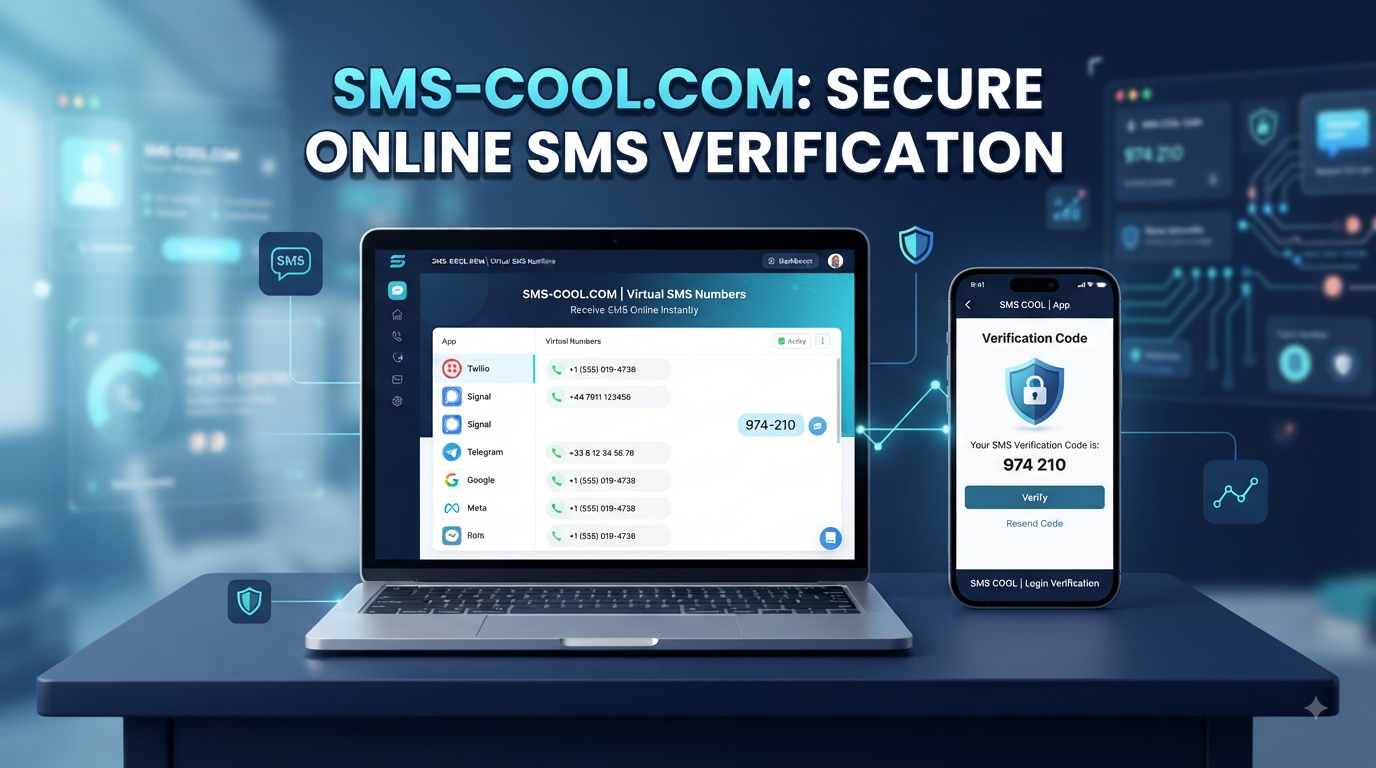
What Is an SMS Receiver Number?
Have you ever needed to receive a verification message but did not want to share your personal mobile number? Whether you are signing up for an online service, testing an application, managing a separate account, or simply trying to keep your personal contact information private, there are situations where using your everyday phone number is not ideal.
That is where an SMS receiver number can be useful.
An SMS receiver number is a phone number that allows you to receive text messages through an online platform rather than directly through your personal mobile device. Depending on the service, the number may be temporary, virtual, or dedicated to a particular purpose.
For people who want to receive SMS online, an SMS receiving service can provide a convenient alternative to using their personal number. In this guide, we will explain how SMS receiver numbers work, when they make sense, what to look for in a service, and how SMS COOL can be a practical option for online SMS receiving.
What Is an SMS Receiver Number?
An SMS receiver number is a phone number that can receive incoming text messages and make those messages accessible through an online service.
Instead of receiving the message in the standard messaging app on your personal phone, you access it through a website, application, or online dashboard.
For example, imagine that a website asks you to enter a phone number and sends an SMS verification code. Rather than providing your personal number, you may use an available virtual or temporary number. When the message arrives, it appears through the SMS receiving service.
An SMS receiver can therefore act as an intermediary between the sender and you.
These numbers are sometimes called:
- Virtual phone numbers
- Temporary phone numbers
- Temporary SMS numbers
- Online phone numbers
- Virtual SMS numbers
- Disposable phone numbers
The exact features vary from one SMS receiving service to another, so it is important to understand whether a number is public, private, temporary, or intended for longer-term use.
How Does an SMS Receiver Number Work?
The basic process is usually straightforward.
1. Get an online or virtual number
First, you select an available number through an SMS receiving service. Depending on the provider, you may be able to choose a country, service, or type of number.
2. Enter the number where needed
You then enter the provided number into the website or application that needs to send you an SMS.
For example, a service may send a confirmation message containing an SMS verification code.
3. The SMS is received by the service
Instead of appearing on your personal phone, the incoming message is routed to the number provided by the SMS receiving platform.
4. View the message online
The message becomes available through the provider's interface. You can read the text and, where appropriate, use the verification code to complete the legitimate action you started.
The process is essentially designed to let users receive text messages online without relying on their everyday mobile number.
Why Use an SMS Receiver Number?
There are several legitimate reasons someone might want to use an online SMS receiver.
Protecting personal privacy
Your phone number can become widely shared once you use it across multiple websites and applications. An alternative number can help reduce unnecessary exposure of your personal contact details.
Avoiding unnecessary exposure
Not every website needs to have your primary phone number. Using a separate number can help keep personal and online communication distinct.
Testing applications and services
Developers, testers, and businesses may need phone numbers when testing registration flows, notifications, or SMS functionality. An appropriate virtual number can make testing more convenient.
Receiving verification messages
Some online services use SMS verification as part of account registration or authentication. An SMS receiver can provide a separate number for supported, legitimate verification needs.
Managing online accounts
A separate number may be useful when you want to keep certain online activities separate from your personal communications.
Separating personal and online communication
A dedicated online number can create a useful boundary between your private mobile communication and messages associated with websites, services, or temporary activities.
SMS Receiver Number vs. Personal Phone Number
The main difference is how the number is managed and accessed.
FeaturePersonal Phone NumberSMS Receiver NumberPrimary purposeEveryday communicationOnline or specific SMS needsAccessPersonal phone/SIMOnline service or appPrivacyDirectly connected to youCan provide separation from personal numberDurationUsually long-termMay be temporary or service-basedConvenienceAlways available on your deviceDepends on the providerBest suited forPersonal communicationSupported online SMS use cases
A personal number is generally the better choice for important, long-term communication and sensitive accounts.
An SMS receiver number can be more appropriate when you need a separate number for a limited or specific online purpose.
Free vs. Paid SMS Receiver Numbers
One of the first choices users face is whether to receive SMS online free or use a paid service.
Free SMS receiver numbers can be convenient for basic, low-risk situations. However, free numbers are often public or shared. That means messages may be visible to other users, and the same number may be used by multiple people.
That makes public numbers unsuitable for sensitive information.
Paid options may provide a more controlled experience, depending on the provider. They can offer access to specific numbers, temporary activations, or other features designed for users who need greater convenience and control.
The important point is that "free" does not automatically mean better, and "paid" does not automatically mean secure. Consider the privacy model, number availability, reliability, supported services, and terms before choosing.
Is It Safe to Use an SMS Receiver Number?
An SMS receiver number can be useful, but it should be used thoughtfully.
The biggest consideration is whether the number is public or private. If multiple people can access the same inbox, you should assume that messages are not private.
For that reason, avoid using shared public numbers for highly sensitive accounts, financial services, important personal accounts, or anything where access to an SMS code could create serious security risks.
A few practical guidelines can help:
- Choose a reputable SMS receiving service.
- Understand whether the number is shared or private.
- Avoid putting sensitive information into public SMS inboxes.
- Do not treat a temporary number as a permanent recovery method unless the provider explicitly supports that use.
- Check the service's pricing and privacy information.
- Use your personal number when an important service requires a trusted, long-term contact method.
An online number should be viewed as a useful tool for appropriate situations—not as a universal replacement for your personal phone number.
What Makes a Good SMS Receiver Service?
Not every SMS receiving service offers the same experience. Before choosing one, consider several important factors.
Reliability
Messages need to arrive when you need them. A service that frequently fails to receive messages can quickly become frustrating.
Privacy
Find out whether numbers are shared, how messages are handled, and what information the provider makes available to other users.
Message delivery speed
For time-sensitive verification messages, fast delivery can make the process much smoother.
Number availability
A useful service should provide numbers that are actually available for the type of online activity you intend to perform.
Ease of use
The process should be simple enough that you can select a number, use it, and view incoming messages without unnecessary complexity.
Supported services
Not every online service accepts every type of virtual or temporary number. Check compatibility before relying on a number for a particular purpose.
Clear pricing
If a service is paid, pricing should be easy to understand. Look for straightforward information about activations, usage, and any additional charges.
Good user experience
A clean interface, accessible messages, and an uncomplicated process can make online SMS reception much easier.
Why SMS COOL Is a Practical Solution
For users looking for a convenient way to receive SMS online, SMS COOL can be considered as a practical option for accessing SMS receiving functionality through an online service.
The basic appeal is simple: instead of giving your personal mobile number every time an online service requests one, you can use an available online or virtual number for appropriate situations.
SMS COOL is particularly relevant for people searching for an SMS receiver number, online SMS reception, temporary SMS numbers, virtual numbers, or a phone number for SMS verification.
The right solution depends on your specific needs. Some users may need a temporary number for a single activity, while others may be looking for a more convenient way to separate online communication from their personal number.
As with any SMS receiving service, users should consider the intended use, available numbers, supported services, privacy practices, and applicable terms before proceeding.
The goal should not simply be to find any number. It should be to find a suitable number for the specific task you are trying to complete.
How to Use SMS COOL
The exact options available can depend on the service and the type of number you need, but the typical process for using an online SMS receiving platform is simple.
Step 1: Choose the appropriate number
Start by selecting an available online or virtual number that fits your intended use.
Step 2: Enter the number
Use the number on the website or application where you legitimately need to receive an SMS.
Step 3: Wait for the incoming message
Once the service sends an SMS to the number, the message should appear through the SMS receiving interface provided by the service.
Step 4: Read the message
Open the incoming SMS and review the contents. If it contains a verification code, use that code only for the account or activity you initiated.
Step 5: Complete the process
Enter the code where required and finish the relevant registration, verification, or testing process.
This straightforward workflow is one of the main reasons online SMS receiver services are useful: you can access messages without relying on your personal number for every online interaction.
Common Questions About SMS Receiver Numbers
What is an SMS receiver number?
An SMS receiver number is a phone number that can receive text messages through an online service. It may be temporary, virtual, shared, or provided for a specific purpose.
Can I receive SMS online?
Yes. Online SMS receiving services can provide numbers that allow supported incoming text messages to be viewed through a website or application.
What is an online SMS receiver?
An online SMS receiver is a platform that lets you access SMS messages sent to a virtual or online phone number through the internet.
Can an SMS receiver number be used for verification?
It can be used for SMS verification when the service you are using accepts the type of number provided. Acceptance varies between websites and applications.
Are free SMS receiver numbers safe?
Free numbers can be useful for low-risk purposes, but many free services use shared public inboxes. Avoid using them for sensitive accounts or confidential messages.
What is a temporary phone number?
A temporary phone number is a number intended for short-term or limited use. It can be useful when you need an online number for a specific task rather than a permanent personal line.
Why use SMS COOL?
SMS COOL can be a practical option for users looking for convenient online SMS receiving and access to an SMS receiver number without relying on their everyday mobile number for every online interaction.
Can I receive verification codes online?
Yes, supported services can deliver verification messages to online or virtual numbers. However, whether a particular website accepts a given number depends on its own verification policies.
Conclusion
An SMS receiver number provides a simple way to separate certain online SMS needs from your personal mobile number. Whether you are protecting your privacy, testing an application, managing online activities, or receiving a supported verification message, an online phone number can offer useful flexibility.
Free public numbers may be convenient for low-risk situations, while paid or more controlled options can be preferable when privacy and reliability matter more. The key is to understand how the number works and choose an SMS receiving service that fits your needs.
For users who want a convenient way to receive SMS online, SMS COOL offers a practical option to explore. If you need an online SMS receiver, temporary SMS number, or virtual number for an appropriate use case, consider exploring SMS COOL and choosing the option that best matches your requirements.