01 Oct 2026
What Is an SMS OTP API? Complete Guide to OTP Verification
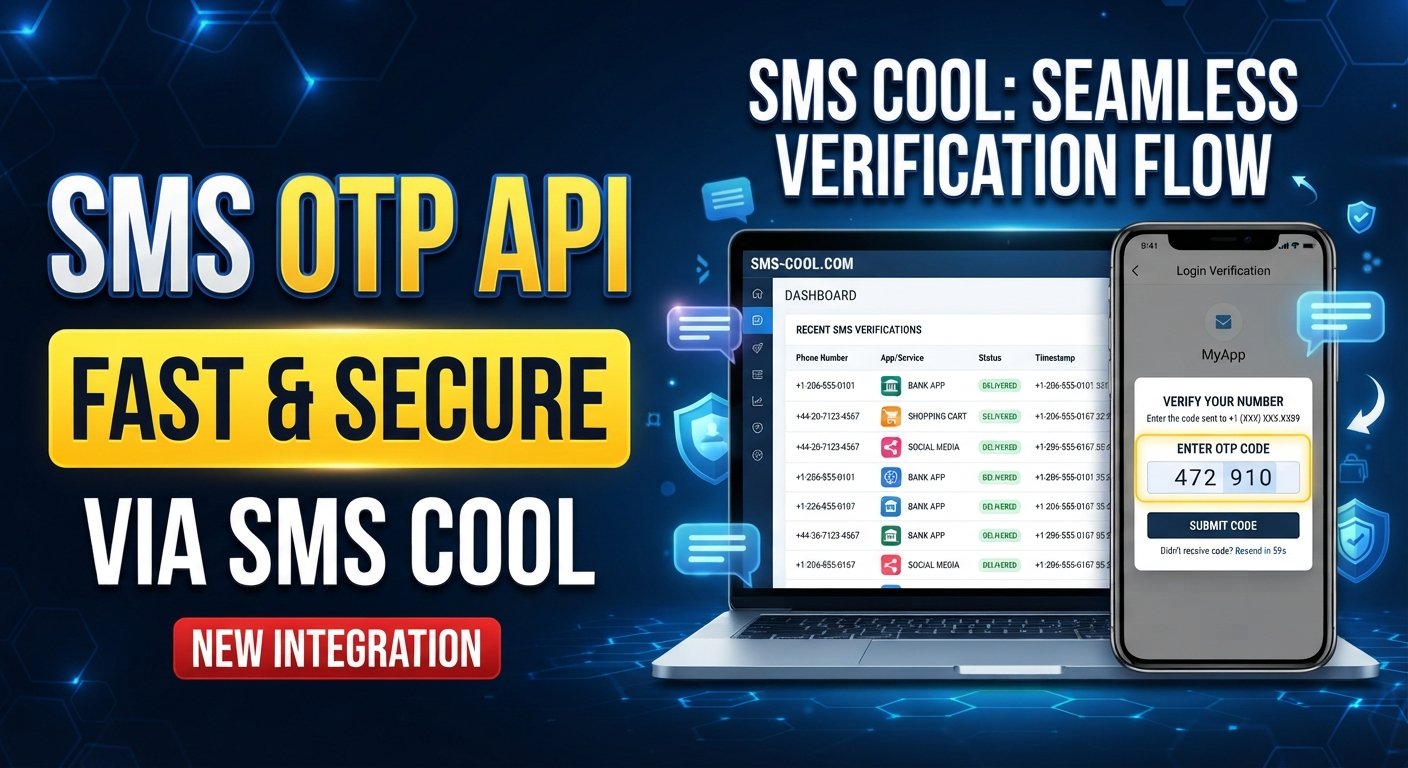
What Is an SMS OTP API?
When someone creates an account, signs in from a new device, resets a password, or confirms an important transaction, businesses often need a simple way to verify that the user controls a particular phone number.
That is where an SMS OTP API comes in.
An SMS OTP API allows a website, mobile application, or business system to automatically send a one-time password (OTP) to a user's mobile phone through SMS. Instead of manually handling verification messages, developers can connect their application to an SMS service and build OTP verification directly into the user journey.
For businesses, this can make phone number verification, SMS authentication, and two-factor authentication easier to implement. For users, the process is familiar: enter a phone number, receive a verification code, enter the code, and continue.
What Is an SMS OTP API?
An SMS OTP API is an application programming interface that allows software to send one-time passwords to users through SMS.
In simple terms, it connects your website or application with an SMS service. When your system needs to verify a user, it generates an OTP and uses the API to send that code as a verification SMS.
An OTP is generally a short, temporary code designed for one-time use. Unlike a permanent password, an OTP can expire after a defined period or after successful verification.
An SMS OTP API can therefore become part of an authentication workflow such as:
User → Website/App → OTP API → SMS → User → Verification
This approach is commonly used for phone number verification, mobile number verification, account access, password recovery, and other user verification processes.
How Does an SMS OTP API Work?
The exact technical implementation can vary between applications and providers, but the basic workflow is straightforward.
1. User enters their phone number
The user provides a mobile number during registration, login, account recovery, checkout, or another verification process.
2. Application generates an OTP
The application creates a temporary verification code. The code should be generated securely and associated with the relevant verification request.
3. API sends the OTP through SMS
The application sends the necessary request to the SMS OTP API. The SMS service then processes the request and delivers the verification SMS to the user's phone.
4. User receives the verification code
The user receives an SMS containing the OTP.
5. User enters the OTP
The user enters the code into the website or application.
6. System validates the code
The application checks whether the submitted OTP matches the expected code and is still valid. If the verification succeeds, the system can allow the user to continue.
This automated process is one reason an OTP API is useful for businesses that need to handle verification without manually sending messages.
Why Do Businesses Use SMS OTP Verification?
Businesses use SMS OTP verification because a phone number can serve as an additional way to confirm user identity or control of an account.
Common applications include:
- Account registration: Confirm that a new user controls the phone number provided during signup.
- Login authentication: Add another verification step when users access their accounts.
- Password resets: Confirm a user's phone number before allowing account recovery.
- Transactions: Request additional verification before certain sensitive actions.
- Mobile number verification: Validate a phone number during onboarding.
- Two-factor authentication: Use SMS as one authentication factor alongside a password or another method.
- Fraud prevention: Add an additional verification step to selected workflows.
SMS is also familiar to most mobile users, which can make the verification process easy to understand.
An SMS verification API can automate these messages while allowing the application's existing workflow to control when an OTP is generated, sent, and validated.
Key Benefits of Using an SMS OTP API
Fast verification
SMS OTP workflows can provide users with a verification code without requiring them to open an email or complete a manual verification process.
Automated delivery
An API-based approach allows applications to trigger verification messages automatically based on events such as registration, login, or account recovery.
Better user authentication
An OTP can add another verification step to an authentication process. When combined with other controls, it can contribute to a more layered approach to account security.
Easy API integration
Businesses can connect an OTP service to an existing website, mobile application, or backend system through an API rather than building an SMS delivery system from scratch.
Scalable verification
An API-based system can support automated verification workflows as a business handles more users and transactions, subject to the capabilities and limits of the selected provider.
Improved user experience
A short verification flow can reduce unnecessary steps. Users generally understand the basic process of receiving a code and entering it into an application.
Support for transactional communication
The same SMS infrastructure used for OTPs may also support other forms of business SMS and transactional SMS, depending on the provider and implementation.
Reduced manual verification
Automation allows systems to trigger verification messages and process verification requests without requiring staff to manually contact users.
SMS OTP API vs Traditional Verification Methods
Different verification methods serve different situations. SMS OTP verification is one option rather than a universal replacement for every authentication method.
MethodHow It WorksCommon UseSMS OTPSends a temporary code to a phonePhone verification, login, account recoveryEmail verificationSends a link or code by emailRegistration and account confirmationManual verificationStaff checks information or contacts usersSpecialized or high-touch processesAuthenticator appGenerates codes inside an authentication appStronger account authentication workflowsPush authenticationSends an approval request to a trusted deviceLogin and identity confirmation
SMS can be particularly useful when businesses want a familiar verification experience based on a user's mobile number.
For higher-risk applications, businesses should consider whether SMS alone provides the appropriate level of protection and whether additional authentication controls are necessary.
What Features Should You Look for in an OTP API?
Choosing an OTP service involves more than simply checking whether it can send a text message. Consider the complete verification workflow.
API documentation
Clear documentation helps developers understand how to authenticate API requests, send messages, handle responses, and troubleshoot integration issues.
Integration simplicity
A straightforward SMS API integration can reduce development effort and make it easier to connect verification functionality with an existing application.
Delivery reliability
OTP messages need to reach users when they request them. Review the provider's delivery capabilities, supported destinations, and available reporting.
Security
Protect API credentials, use secure connections, restrict access appropriately, and design the OTP workflow to reduce opportunities for abuse.
Scalability
Consider whether the service can support your expected verification volume and business growth.
Delivery reporting
Delivery information can help technical teams identify failed or delayed messages and investigate problems with verification workflows.
Developer support
Accessible technical documentation and appropriate support can be valuable when integrating an authentication API.
Coverage
Check whether the provider supports the countries and mobile networks relevant to your users.
Customizable SMS content
Businesses may need to customize verification SMS content so that users can clearly identify the purpose of the message.
Why Choose SMS COOL for SMS OTP API?
For businesses looking for an SMS OTP API, the practical goal is straightforward: connect an application to an SMS service that can support automated OTP delivery and verification workflows.
SMS COOL can be considered as a practical option for businesses that need SMS API capabilities for OTP verification, SMS authentication, and related business communication.
A typical workflow with an SMS service such as SMS COOL can fit into an existing application like this:
User enters number → Application creates OTP → SMS API sends verification SMS → User enters OTP → Application validates OTP
This approach allows the business application to remain responsible for its verification logic while the SMS service handles the message-delivery side of the workflow.
SMS COOL can also be relevant when a business wants to use SMS infrastructure beyond a single verification screen. Depending on the business requirements and available service capabilities, an SMS API can support use cases involving OTP messages, phone number verification, transactional communication, and other automated SMS workflows.
Before implementation, developers should review the available SMS COOL documentation and service capabilities to determine the appropriate integration approach for their particular application.
If your business is planning an OTP API integration, SMS COOL is worth exploring as part of the provider-selection process. The right solution should fit your technical requirements, user locations, security practices, and expected messaging workflow.
Common Use Cases for SMS OTP APIs
An SMS OTP API can support many digital verification scenarios, including:
- User registration: Confirm a mobile number during account creation.
- Login authentication: Add an OTP step to selected login workflows.
- Password reset: Verify a user's phone before account recovery.
- Account recovery: Provide an additional way to confirm account ownership.
- Mobile number verification: Check that a submitted number is accessible to the user.
- E-commerce verification: Add verification during selected customer or transaction workflows.
- Financial transaction verification: Support additional verification for sensitive actions where appropriate.
- Application onboarding: Confirm user contact information during the signup process.
- Two-factor authentication: Use SMS as part of a broader 2FA strategy.
The specific implementation should depend on the sensitivity of the application and the security requirements of the business.
How to Integrate an SMS OTP API
The general integration process is usually easier to understand when broken into a few stages.
Choose an SMS OTP provider
Start by evaluating providers based on coverage, integration requirements, delivery capabilities, security, documentation, and support.
Obtain API credentials
The provider will typically supply credentials or another authentication mechanism that allows your application to make authorized API requests.
Review API documentation
Understand how requests should be structured, how authentication works, what responses look like, and how errors should be handled.
Connect the API to your application
Your development team can connect the SMS API to the relevant registration, login, password recovery, or verification workflow.
Generate OTPs securely
The application should generate temporary codes using appropriate security practices rather than relying on predictable values.
Send OTPs through the API
When verification is requested, the application sends the appropriate request to the SMS service.
Validate submitted OTPs
The backend should check the submitted code, expiration status, associated user or session, and attempt limits before confirming verification.
Monitor delivery and errors
Track relevant delivery results and API errors so that technical teams can identify issues and improve the verification experience.
For an SMS COOL integration, developers should use the provider's current documentation rather than relying on generic API examples or assumed endpoints.
Best Practices for SMS OTP Authentication
A well-designed OTP system should focus on both usability and security.
Use short expiration periods. An OTP should remain valid only for an appropriate amount of time.
Make codes one-time use. Once successfully verified, an OTP should not remain valid for another authentication attempt.
Apply rate limiting. Limit repeated OTP requests to reduce abuse and unnecessary SMS traffic.
Protect API credentials. Never expose sensitive API credentials in client-side code or publicly accessible repositories.
Limit verification attempts. Multiple incorrect attempts should trigger appropriate controls rather than allowing unlimited guesses.
Avoid exposing OTPs in logs. Application logs, debugging tools, and monitoring systems should not unnecessarily record sensitive verification codes.
Give users clear instructions. Explain where they should enter the OTP and what to do if the message does not arrive.
Monitor delivery failures. Tracking unsuccessful delivery attempts can help identify technical or routing problems.
These practices can make an OTP authentication workflow more dependable while reducing avoidable security risks.
Frequently Asked Questions About SMS OTP API
What is an SMS OTP API?
An SMS OTP API is an interface that allows an application to automatically send one-time passwords to users through SMS. It is commonly used for phone number verification, authentication, account recovery, and two-factor authentication.
How does an SMS OTP API work?
The application generates an OTP, sends it through an SMS API, and asks the user to enter the received code. The application then validates the code before completing the verification process.
What is the difference between an SMS API and an OTP API?
An SMS API is generally used to send SMS messages programmatically, while an OTP API or OTP-focused workflow is designed specifically around temporary verification codes. An OTP system may use an SMS API as its delivery mechanism.
Is SMS OTP verification secure?
SMS OTP verification can add an authentication layer, but it should be implemented with appropriate security controls. Expiration, one-time use, rate limiting, attempt limits, credential protection, and careful handling of sensitive information are important considerations.
How can I integrate an OTP API into my website or app?
Choose a suitable provider, obtain the required credentials, review its documentation, connect the API to your application, generate OTPs securely, send verification SMS messages, validate submitted codes, and monitor delivery results.
What businesses use SMS OTP verification?
Many types of digital businesses can use SMS verification, including e-commerce platforms, online services, applications, financial services, subscription platforms, and businesses that need to verify customer phone numbers or account activity.
Why should businesses use SMS COOL for OTP verification?
SMS COOL can be considered by businesses looking for SMS API capabilities to support OTP delivery, phone verification, SMS authentication, and related business messaging workflows. Businesses should review its available capabilities and documentation to determine whether it fits their specific technical and messaging requirements.
Conclusion
An SMS OTP API provides a practical way for websites and applications to automate phone-based verification. Instead of manually sending codes, businesses can connect their systems to an SMS service and create a streamlined workflow for generating, delivering, and validating one-time passwords.
From user registration and mobile number verification to password recovery, login authentication, and two-factor authentication, OTP verification can support a wide range of digital experiences.
The key is choosing an SMS provider that fits your application's requirements and implementing the verification process carefully. Businesses should consider API integration, delivery capabilities, security, coverage, documentation, scalability, and monitoring before making a decision.
For businesses exploring an SMS OTP API, SMS COOL is a practical solution to consider for OTP delivery, SMS verification, SMS authentication, and broader business SMS requirements. Explore SMS COOL's available capabilities and documentation to see how it can fit into your application's verification workflow.