12 Aug 2026
How to Receive SMS Without a Physical SIM | SMS COOL Guide Online
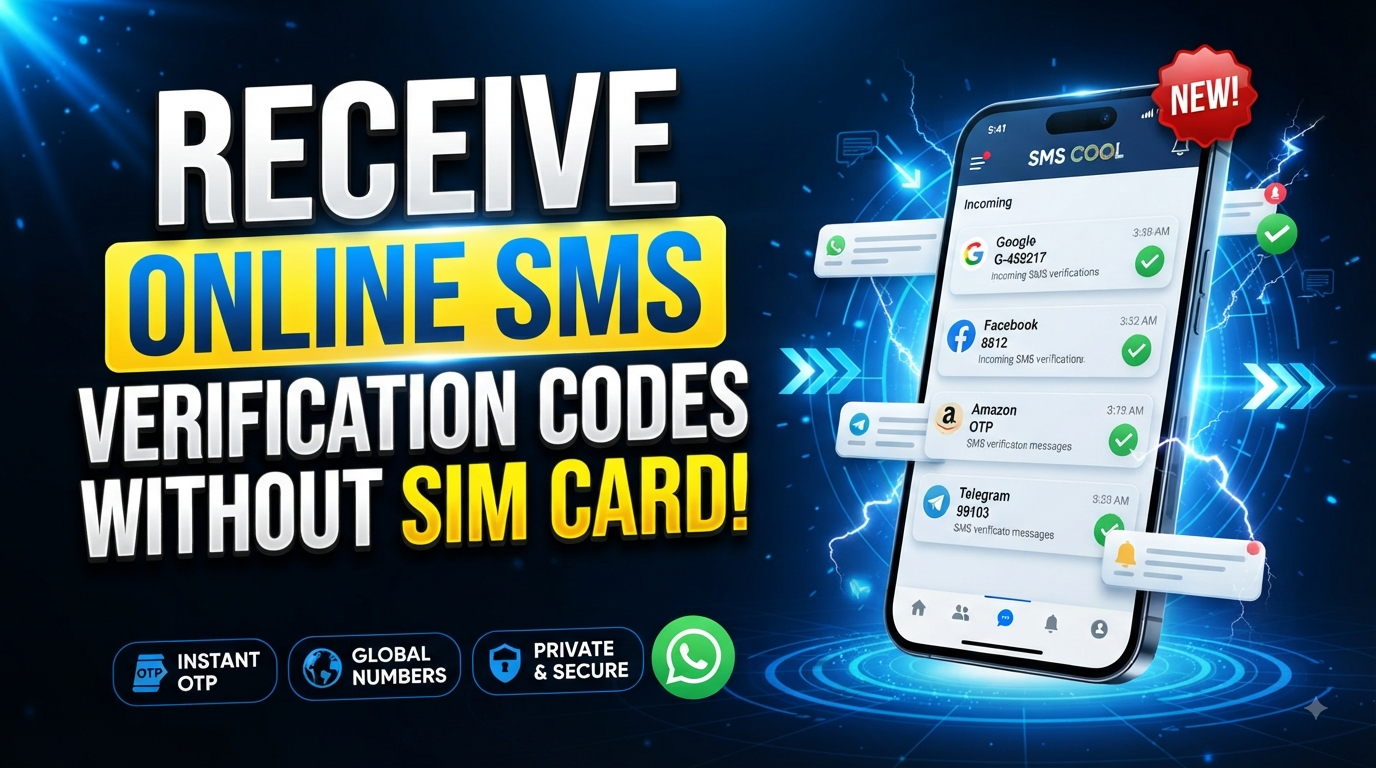
How to Receive SMS Without a Physical SIM
Imagine needing a verification code, registering for an online service, or receiving an important text message—but you do not have a physical SIM card available. Maybe you are traveling, using a Wi-Fi-only device, trying to keep your personal number private, or simply do not want to manage another SIM.
That is where online SMS receiving can make things easier.
Instead of inserting a traditional SIM card into a phone, you can use a virtual phone number provided through an online SMS service. Messages sent to that number can then be viewed online through the service.
For people looking for a practical way to receive SMS without a physical SIM, SMS COOL provides a convenient option for accessing virtual numbers and receiving incoming text messages online. The idea is simple: use an available virtual number when you need SMS access, then view the incoming message through the online platform.
What Does It Mean to Receive SMS Without a Physical SIM?
A traditional mobile number is usually connected to a physical SIM card or an embedded SIM. The SIM connects your device to a mobile network, allowing it to send and receive calls and text messages.
A virtual number works differently.
When you use an online phone number, the number is managed through an internet-based service rather than requiring you to insert a physical SIM into your smartphone. When someone or an online service sends an SMS to that number, the message can be routed to the platform that manages the number.
You can then access the message online.
This makes it possible to receive SMS without SIM in situations where having a conventional mobile connection is inconvenient or unnecessary. Depending on the service and the specific number, this can include receiving verification messages, temporary communications, registration codes, and other legitimate SMS messages.
In simple terms, a virtual SMS number acts as a digital destination for incoming texts.
Why Do People Want to Receive SMS Without a Physical SIM?
There is no single reason people look for this solution. Different users have different needs, but several common situations make online SMS receiving particularly useful.
Online registrations and verification
Many websites and online platforms ask users to confirm a phone number during registration. If you do not want to use your personal number for every online service, a virtual number can provide an alternative where the service permits it.
Privacy-conscious communication
Some people prefer not to give their primary phone number to every website or online service. Using a separate online phone number can help create a degree of separation between personal communications and online activities.
It is still important to understand the privacy practices of the service you use and to avoid putting sensitive accounts at unnecessary risk.
Travel
Travelers may not want to purchase, carry, or switch physical SIM cards simply to receive a particular text message. An internet-based solution can be more convenient when Wi-Fi or another internet connection is available.
Wi-Fi-only devices
Tablets, secondary devices, and other internet-connected hardware may not support a traditional cellular SIM. An online SMS receiving service can be useful when the goal is to access messages through a web-connected device rather than a mobile network.
Keeping communication separate
A virtual number can also help separate personal communication from registrations, temporary projects, testing, or other online activities. Instead of giving out your primary number everywhere, you can use a different number when appropriate.
How Does Online SMS Receiving Work?
The basic process is easier than it may sound.
An online SMS service provides access to a virtual phone number. That number is capable of receiving SMS through the underlying telecommunications network. Instead of the message appearing in the normal messaging app on your personal phone, the incoming text is made available through the online service.
The general flow looks like this:
- An online service provides an available virtual number.
- You enter that number where an SMS is requested.
- The website or platform sends a text message to the number.
- The SMS is routed to the online SMS service.
- You view the incoming message through the service.
This is the basic concept behind receive text messages online services.
For example, if a legitimate website requires a phone number for a registration or verification process and accepts virtual numbers, you can provide an appropriate number from an online SMS platform. If the website sends a verification code, that message may then appear through the platform.
Not every website accepts virtual numbers, however, so checking the target service's requirements is important.
How to Receive SMS Without a Physical SIM Using SMS COOL
If your goal is to receive SMS without a physical SIM, SMS COOL can provide a straightforward online approach using virtual numbers.
The process can be summarized in a few simple steps.
1. Visit SMS COOL
Start by accessing SMS COOL and exploring the available virtual number options.
2. Choose an available virtual number
Select a number that suits the purpose for which you need to receive an SMS. If a particular website requires a number from a specific country or region, make sure the selected number meets that requirement.
3. Enter the number where an SMS is required
Use the virtual number on the website, application, or service requesting an SMS, provided that service allows virtual or online numbers.
4. Wait for the incoming message
Once the target service sends its text message, allow some time for the SMS to reach the virtual number.
5. View the SMS through SMS COOL
Return to SMS COOL and check the relevant number or message area to view the incoming SMS or verification code.
The main advantage of this approach is convenience. You do not need to physically remove your existing SIM, purchase another card, or move a SIM between devices simply to access an incoming message.
Benefits of Using SMS COOL
An online SMS solution can be useful when physical SIM management is inconvenient. SMS COOL is positioned around this simple need: helping users access virtual numbers for receiving SMS online.
Potential advantages include:
- No physical SIM required: You can work with a virtual number rather than adding another physical SIM to your device.
- Convenient online access: Incoming messages can be accessed through the online service instead of relying exclusively on a traditional phone setup.
- Simple SMS receiving: The basic process is straightforward for users who only need to receive an incoming text.
- Useful for verification purposes: Virtual numbers can be helpful for legitimate registration and verification situations where virtual numbers are accepted.
- Flexible communication option: A separate number can be useful when you do not want to use your primary personal number.
- Easy access to virtual numbers: Users can select an available number for an appropriate online purpose.
The right solution depends on what you are trying to accomplish and whether the target service permits virtual numbers.
SMS COOL vs. a Traditional Physical SIM
Both approaches can receive SMS, but they solve somewhat different problems.
Traditional Physical SIMSMS COOL / Virtual NumberRequires a physical SIM or compatible cellular setupUses an online virtual numberUsually tied to a personal mobile deviceCan be accessed through an online serviceUseful for long-term personal communicationUseful for selected online SMS needsRequires SIM managementAvoids handling an additional physical SIMDesigned for regular mobile connectivityFocused on convenient SMS receiving
A traditional SIM is generally the better choice when you need a permanent personal number for calls, everyday communication, mobile data, and important accounts.
Online SMS receiving can be more convenient when your need is narrower—for example, receiving a legitimate verification message without adding another physical SIM to your setup.
Is It Safe to Receive SMS Online?
Online SMS receiving can be useful, but users should approach it thoughtfully.
The biggest consideration is the type of information being sent to the number. A temporary or shared number may not provide the same privacy or long-term control as a private number assigned specifically to you.
For highly sensitive accounts—such as financial services, primary email accounts, password managers, or other critical services—a permanent private phone number may be more appropriate when phone verification is required.
You should also remember that SMS itself is not a perfect security mechanism. Never share verification codes unnecessarily, and do not provide an SMS code to someone who asks for it without a legitimate reason.
Before using any virtual number, review the policies of both the SMS service and the website sending the message.
Best Uses for a Virtual Number
A virtual number for SMS can be useful in many legitimate situations.
Common examples include:
- Receiving verification codes where virtual numbers are accepted
- Temporary online registrations
- Testing SMS-based workflows
- Separating online registrations from a personal number
- Privacy-conscious communication
- Accessing SMS on an internet-connected device
- Receiving an OTP for a permitted online service
- Temporary projects that do not require a permanent personal number
For businesses, developers, testers, and ordinary internet users, the ability to receive SMS online can simplify situations where maintaining another physical phone line would be unnecessary.
The key is to use virtual numbers responsibly and within the rules of the service involved.
Tips for Receiving SMS Online Successfully
A few simple habits can make the process smoother.
Choose the appropriate number
If the website specifies a country or region, select a compatible number. A mismatch may prevent the target service from accepting the number.
Check whether virtual numbers are accepted
Some platforms restrict virtual, temporary, or certain types of phone numbers. Check the target service's requirements before relying on a number for verification.
Use private numbers for important accounts
If an account contains sensitive information or needs long-term recovery access, consider using a private, permanent number instead of a temporary or shared number.
Protect verification codes
Treat OTPs and verification codes as sensitive information. Do not publish or share them unnecessarily.
Follow service policies
Always follow the terms and policies of both SMS COOL and the website or application you are using. A virtual number should be used for legitimate purposes, not to bypass restrictions or misuse a service.
Frequently Asked Questions
Can I receive SMS without a physical SIM?
Yes. A virtual phone number can receive SMS through an online service, allowing you to view incoming messages without inserting a physical SIM into your device.
How can I receive SMS online?
You can use an online SMS receiving service such as SMS COOL. Select an available virtual number, enter it where an SMS is required, and check the service for the incoming message.
Can I receive verification SMS without a SIM card?
In some cases, yes. If the website or application accepts the type of virtual number you are using, its verification SMS may be delivered to the online service.
What is a virtual phone number?
A virtual phone number is a phone number that is managed through an online or telecommunications service rather than being directly dependent on a physical SIM inside your personal device.
Can I receive OTP online?
Yes, an OTP can sometimes be received through a virtual SMS number when the relevant service permits virtual numbers. Always check the target service's requirements.
Is receiving SMS online safe?
It can be suitable for many lower-risk or temporary situations, but users should consider privacy and security carefully. Avoid relying on temporary or shared numbers for accounts that require long-term control or contain highly sensitive information.
How does SMS COOL help receive SMS without a physical SIM?
SMS COOL provides access to virtual numbers that can be used for receiving SMS online. Users can select an available number, provide it to a service that accepts virtual numbers, and check SMS COOL for the incoming message.
Conclusion
Needing an SMS does not always mean you need another physical SIM card.
Whether you are traveling, using a Wi-Fi-only device, protecting your primary number, testing an online workflow, or completing a legitimate registration, a virtual phone number can provide a convenient way to receive SMS without a physical SIM.
The process is straightforward: choose an appropriate virtual number, use it where an SMS is accepted, wait for the incoming message, and view it online.
SMS COOL makes this approach simple by providing access to virtual numbers for online SMS receiving. As with any communication service, it is important to choose the right number, protect sensitive verification codes, and follow the rules of the service you are using.
If you want a practical alternative to managing another physical SIM, explore SMS COOL and see how receiving SMS online can fit into your needs.