13 Aug 2026
Ways to Receive SMS Remotely Online | SMS COOL: Easy Guide
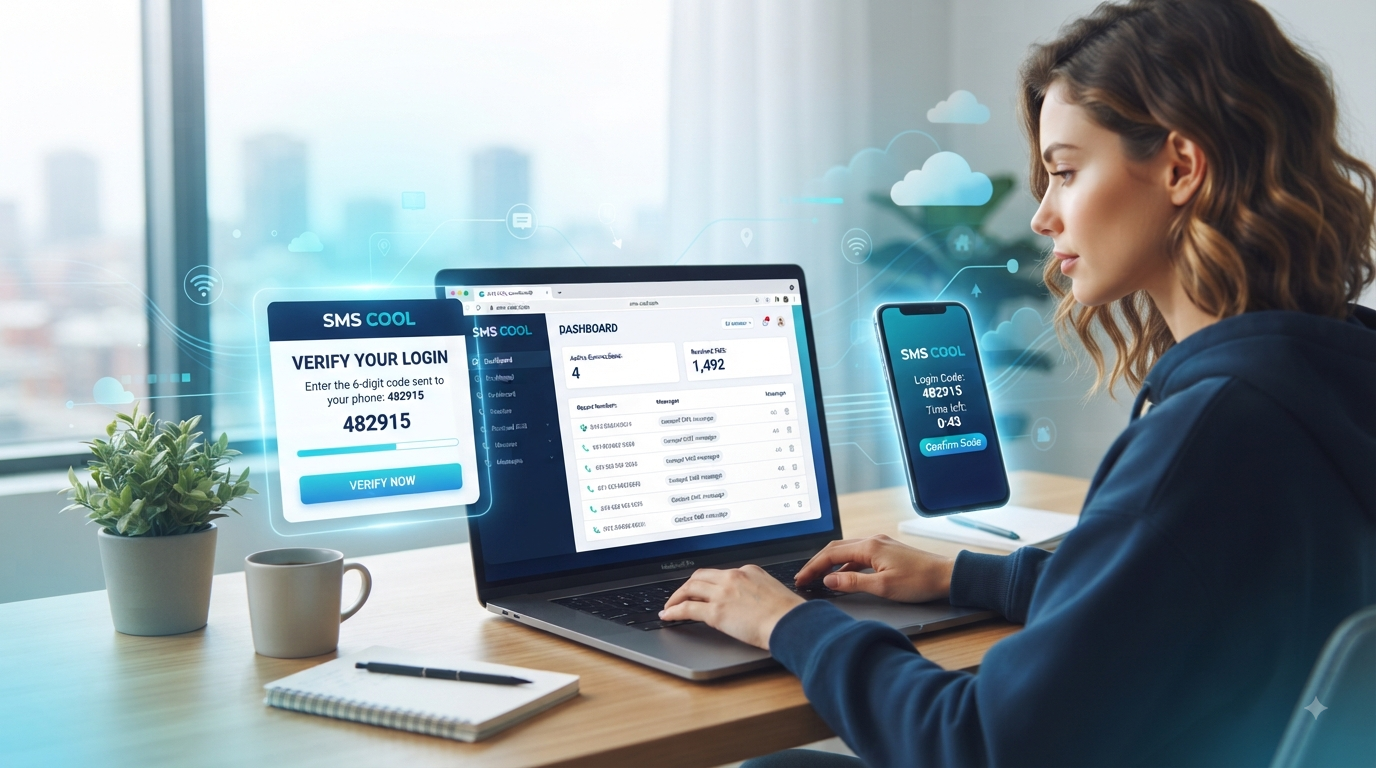
Ways to Receive SMS Remotely Online
Have you ever needed a phone number to receive a verification code, but your phone was unavailable, you were traveling, or you simply did not want to share your personal number?
This is where the ability to receive SMS remotely online becomes useful.
Instead of depending entirely on a physical SIM card and your everyday smartphone, online SMS receiving services can provide access to messages through an online platform. Depending on the service and the intended use, you may be able to use a virtual phone number or temporary number to receive text messages and verification codes remotely.
For people who need a practical way to handle SMS verification without relying on their primary number, SMS COOL offers a convenient option to explore. The idea is simple: access an appropriate online number, use it where permitted, and monitor incoming SMS through an online service.
But how does remote SMS receiving actually work, and what should you consider before choosing a service? Let's take a closer look.
What Does It Mean to Receive SMS Remotely Online?
To receive SMS remotely online means accessing text messages through an internet-connected platform rather than reading them directly on your physical mobile phone.
The basic concept usually involves a virtual number for SMS. Instead of the message being delivered to your personal SIM card, it is routed to a number provided by an online SMS service.
Depending on the provider, that message may then appear in an online dashboard, account, or other supported interface.
This can be useful when you need to:
- Receive a verification SMS without using your personal number
- Access a temporary phone number
- Receive text messages while your primary phone is unavailable
- Keep certain online registrations separate from your personal number
- Handle SMS verification remotely from a computer or another device
The exact availability of numbers, countries, services, and message types varies between providers, so it is important to check what a service currently supports before relying on it.
Why Do People Need to Receive SMS Online?
There are several legitimate reasons someone may want to receive SMS online.
Privacy
Giving your personal phone number to every website or service can increase unwanted calls, messages, and exposure of your contact information.
A separate online phone number can provide an additional layer of separation for appropriate, low-risk online activities.
Remote Access
You may be working from a laptop, traveling, or using a device without an active SIM card. An online SMS service can make it possible to access incoming messages remotely when the service supports your required number and use case.
Account Verification
Many websites and applications use SMS verification to confirm that a user has access to a particular phone number.
A virtual number may sometimes be suitable for receiving a verification SMS, although some platforms restrict virtual, VoIP, temporary, or previously used numbers.
Separating Personal and Online Activities
A secondary number can help keep your primary phone number reserved for personal communications while using another number for appropriate online registrations or short-term activities.
How Online SMS Receiving Works
The process is easier to understand than it may initially sound.
An online SMS receiving service generally provides access to a phone number that can receive incoming text messages.
The basic flow looks like this:
Choose a number → Enter it on the supported website or app → Request an SMS → Receive the message online
For example, if a service asks you to enter a phone number for verification, you may use an available virtual number from an online SMS service when that type of number is permitted.
Once the sender sends the message, the SMS can appear through the provider's online interface.
The important point is that online SMS receiving does not mean the SMS is magically created online. A real messaging network still delivers the message to the number. The online platform simply gives you a way to access the received message remotely.
Ways to Receive SMS Remotely Online
There are several approaches, depending on your needs.
1. Use a Virtual Phone Number
A virtual phone number is one of the most common options.
Instead of purchasing another physical SIM card, you use a number supplied through an online service. This can be useful when you need a separate number for a specific online purpose.
2. Use a Temporary Phone Number
A temporary phone number can be appropriate for short-term activities where you do not need to maintain the number indefinitely.
This approach can reduce the need to expose your everyday phone number for certain low-risk registrations.
However, temporary numbers should not automatically be treated as suitable for important accounts. If you need long-term access to an account, you should use a number you control reliably and that complies with the platform's requirements.
3. Use an Online SMS Service
An online SMS service gives you a centralized way to access incoming messages through the internet.
This is particularly useful when convenience matters and you want to manage SMS without constantly switching between devices.
4. Use SMS COOL
For users specifically looking for a practical way to receive SMS remotely, SMS COOL is a solution worth considering.
Rather than relying solely on your personal SIM card, an online SMS receiving service such as SMS COOL can provide a more flexible approach for supported SMS use cases.
The key is to select the number and service combination appropriate for your particular purpose and to understand that acceptance can vary by the website or application sending the verification message.
How SMS COOL Makes Remote SMS Receiving Easier
The biggest appeal of an online SMS receiving service is convenience.
Instead of asking, “Where is my phone?” or waiting until you have access to a particular SIM card, the goal is to make incoming SMS accessible through an online environment.
SMS COOL can serve as a practical option for users who need remote access to SMS for supported purposes.
It can be especially useful when the main requirement is receiving a text message or verification code without making your personal number the center of every online interaction.
At the same time, responsible use matters. No SMS receiving provider should be treated as a universal solution for every website, application, or account. Some services deliberately reject temporary or virtual numbers, while sensitive accounts may require a personal or carrier-issued number.
How to Receive SMS Remotely Using SMS COOL
If SMS COOL provides a suitable number for your intended purpose, the general process is straightforward.
Step 1: Identify Your Requirement
First, determine why you need to receive the SMS.
Are you trying to receive a verification code? Do you need a temporary number for a low-risk registration? Or are you looking for a separate number for online use?
Knowing the purpose helps you choose the right type of number.
Step 2: Access SMS COOL
Open SMS COOL and review the available options.
Pay attention to the number and service information presented to you rather than assuming every number will work with every website.
Step 3: Select an Appropriate Number
Choose an available virtual number that matches your intended use.
If the service provides country or service options, select the relevant option carefully.
Step 4: Enter the Number Where Permitted
Enter the provided number into the website or application requesting your phone number.
Always follow that platform's terms and verification requirements.
Step 5: Wait for the SMS
After the website or application sends the message, monitor the SMS COOL interface for the incoming message.
If the message does not arrive, avoid repeatedly requesting codes without checking the reason. The service, number type, network, or receiving platform may have restrictions.
Step 6: Complete the Verification
If the verification code arrives and the platform accepts it, enter the code where requested.
For important accounts, remember that maintaining reliable future access is more important than simply completing an initial verification step.
Benefits of Using an Online SMS Receiving Service
A suitable SMS receiving service can offer several practical advantages.
- Convenience: Receive messages without depending entirely on your physical phone.
- Privacy: Keep your primary number separate from selected online activities.
- Flexibility: Access SMS remotely through an online environment.
- Simplicity: Avoid managing an additional physical SIM for every short-term requirement.
- Separation: Use a secondary number where appropriate instead of exposing your everyday number.
- Remote access: Handle supported SMS-related tasks while working from another device.
The right benefit depends on your use case. For some people, privacy is the main attraction. For others, remote access and convenience matter more.
What to Look for in an Online SMS Service
Not every SMS receiving service is the same. Before choosing one, consider the following.
Number Availability
Check whether numbers appropriate for your country and intended service are available.
Supported Use Cases
Some websites reject virtual numbers or temporary numbers. Look for clear information about supported services rather than assuming compatibility.
Ease of Use
A complicated interface can turn a simple task into a frustrating experience. A straightforward dashboard can make online SMS receiving much easier.
Privacy Practices
Understand how the service handles incoming messages and account information. Avoid services that make you uncomfortable with their privacy policies.
Transparency
Look for clear information about what the service provides and what it does not provide.
Most importantly, avoid assuming that a virtual number is appropriate for sensitive accounts simply because it can receive an SMS.
Common Uses for Online SMS Receiving
Online SMS receiving can be useful in a range of situations, including:
- Testing selected online services
- Short-term registrations where permitted
- Receiving an OTP online for an appropriate account
- Separating personal and non-personal registrations
- Accessing SMS remotely while traveling
- Using a secondary number for selected online activities
- Receiving text messages online when a physical phone is inconvenient
For business users, developers, testers, and privacy-conscious individuals, a virtual number can also simplify certain workflows.
However, the intended use should always comply with the rules of the service involved.
Tips for Safe and Convenient SMS Verification
Convenience should never come at the expense of account security.
Keep these tips in mind when using an SMS verification online service:
- Never share verification codes with another person.
- Avoid using temporary numbers for banking, financial accounts, or other highly sensitive services unless the provider and account explicitly support them.
- Check the privacy practices of the SMS service before using it.
- Remember that some numbers may be temporary or recycled.
- Do not assume that every virtual number will work with every platform.
- Use permanent, personally controlled contact methods for accounts where future recovery is important.
- Follow the terms and verification rules of the website or application you are using.
A temporary number may be convenient for a short-term task, but convenience is not the same as long-term account ownership.
Why Choose SMS COOL?
When the goal is to receive SMS remotely online, simplicity matters.
SMS COOL can be considered when you want an online approach to receiving SMS rather than depending exclusively on your personal phone number.
The practical advantage is the overall concept: access a suitable online number, use it for an appropriate purpose, and receive the relevant message remotely.
Rather than treating an online number as a replacement for your primary phone, think of it as a useful tool for specific situations where a separate number makes sense.
That mindset helps you get the convenience of remote SMS while avoiding unnecessary risks.
Conclusion
The need to receive SMS remotely online is becoming increasingly relevant as more websites and applications rely on SMS for registration, verification, and account-related communication.
Whether you need a temporary phone number, a virtual number for SMS, or simply a convenient way to receive text messages online, an online SMS receiving service can provide a practical alternative to relying on your personal number every time.
SMS COOL gives users a straightforward option to consider when they need remote SMS access for supported purposes. The key is to choose an appropriate number, understand the limitations of virtual numbers, protect verification codes, and use the service responsibly.
If you are looking for a convenient way to receive SMS online, explore SMS COOL and see whether its available options fit your particular need.
FAQ
Can I receive SMS remotely without my physical phone?
Yes, depending on the service you use. An online SMS receiving service can provide access to incoming messages through an internet-connected platform, so you may not need your physical phone for that particular SMS.
Can I receive verification SMS online?
Yes, a suitable virtual or temporary number can sometimes be used to receive verification SMS. However, acceptance depends on the website or application. Some platforms block virtual, temporary, or previously used numbers.
Is a virtual phone number the same as a normal phone number?
Not necessarily. A virtual phone number is generally provided through an online telecommunications service rather than being tied directly to your personal physical SIM. Its capabilities and limitations depend on the provider and number type.
Can I use a temporary phone number for important accounts?
It is generally better to use a number you reliably control for important accounts, especially accounts involving financial information, recovery options, or sensitive personal data. Temporary numbers are better suited to appropriate short-term uses.
How do I receive OTP online?
The basic process is to obtain an appropriate online number, enter it into a service that permits that type of number, request the OTP, and check the online SMS interface for the incoming code. SMS COOL can be considered for supported use cases.
Does every website accept online SMS numbers?
No. Websites and applications can have different verification rules and may reject virtual, VoIP, temporary, or previously used numbers. Always check the requirements of the specific platform you are using.
Final CTA for SMS COOL
Need a simple way to receive SMS remotely online?
Explore SMS COOL and discover a practical online option for receiving SMS through a virtual number for supported use cases. Keep your personal number separate when appropriate, access messages remotely, and choose the solution that fits your needs.
Try SMS COOL today and make online SMS receiving more convenient.