11 Aug 2026
What Is an OTP Verification Number? A Simple Security Guide!
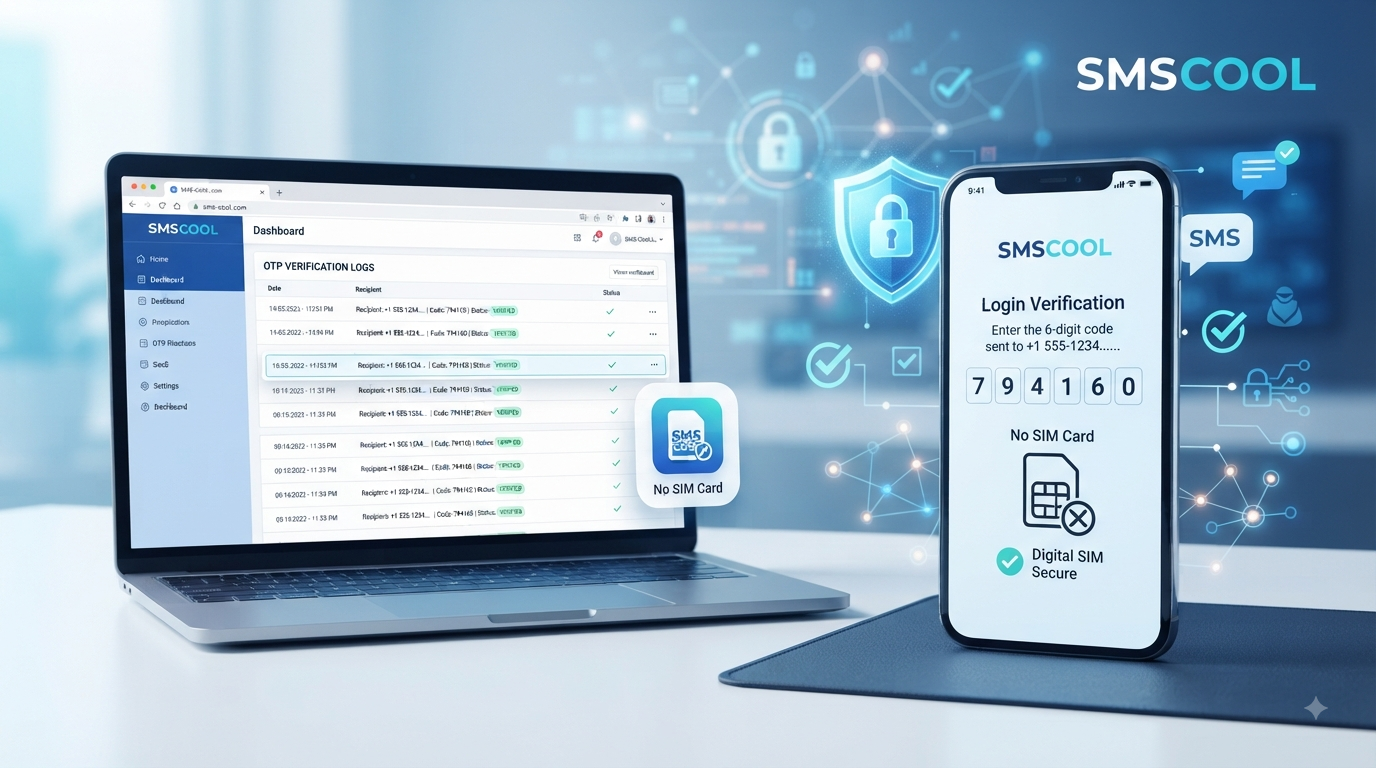
What Is an OTP Verification Number?
Imagine signing up for a new account and being asked to prove that the phone number you entered actually belongs to you. A few seconds later, a short code arrives by SMS. You enter it, and your account is verified.
That temporary code is an OTP verification number.
OTP stands for One-Time Password. An OTP is a temporary verification code generated for a specific authentication or verification request. It is commonly sent to a mobile phone through SMS and is designed to be used only once or for a limited period.
OTP verification has become a familiar part of everyday online activity. From creating accounts and resetting passwords to confirming logins, businesses and online services use verification codes to add another layer of protection.
For organizations that need practical SMS-based verification, SMS COOL provides a straightforward way to support OTP delivery and phone number verification workflows.
What Is an OTP Verification Number?
An OTP verification number is a temporary numerical code used to confirm a user's identity, phone number, or authorization request.
Unlike a permanent password, an OTP code is generally short-lived. For example, a website may send a six-digit code to your phone after you enter your mobile number. You then enter that code into the website or app to complete verification.
The basic idea is simple:
You request verification → an OTP is sent → you enter the code → the service confirms the request.
Because the code is temporary, it can provide an additional security layer without requiring users to remember another permanent password.
OTP verification can be used for phone number verification, online account verification, login authentication, password recovery, and many other digital processes.
How Does OTP Verification Work?
The process behind SMS OTP verification is usually straightforward.
1. You enter your phone number
A website or application asks for your mobile number during registration, login, recovery, or another verification process.
2. The service generates an OTP
The system creates a temporary verification code. This may be a sequence of numbers or, in some systems, a combination of letters and numbers.
3. The OTP is delivered by SMS
The verification code is sent to the provided phone number through an SMS delivery system.
4. You enter the verification code
You type the received OTP into the relevant field on the website or application.
5. The system checks the code
The service compares the submitted code with the expected verification code and checks whether it is still valid.
6. Verification is completed
If the code matches and has not expired, the phone number or requested action can be verified.
This process takes only a short time for the user while providing a useful checkpoint in the account or authentication process.
Why Are OTP Verification Numbers Important?
A password alone does not always provide enough protection. Passwords can be forgotten, reused, shared, or exposed through security incidents.
OTP authentication provides an additional verification step.
For example, a service may require both a password and a temporary SMS code before allowing access. This approach can make unauthorized access more difficult because an attacker may need access to the user's verification channel as well.
OTP verification is useful for:
- Confirming ownership of a phone number
- Reducing fake or automated account registrations
- Adding an extra authentication step
- Supporting password recovery
- Confirming sensitive account actions
- Helping protect online accounts from unauthorized activity
It is important to remember that OTPs are one security layer rather than a complete security strategy. Good account security also depends on strong passwords, secure systems, sensible access controls, and responsible handling of verification codes.
Where Are OTP Verification Numbers Used?
OTP codes are now common across many types of digital services.
Account Registration
A website or app can send an OTP to confirm that a new user's phone number is valid before creating an account.
Login Verification
Some services request an additional verification code after a user enters their username and password.
Password Resets
When someone forgets a password, an OTP can help confirm that they have access to the registered phone number before allowing account recovery.
Online Services and Applications
Apps, websites, marketplaces, communication platforms, and other digital services may use SMS verification during registration or important account activities.
Transactions and Sensitive Actions
An OTP may also be used to confirm certain actions that require an additional verification step.
The exact process varies between services, but the purpose remains similar: verify that the person completing the action has access to the expected verification channel.
OTP Verification Number vs. Password
Although both passwords and OTPs are used for authentication, they work differently.
A traditional password is usually chosen by the user and remains valid until it is changed or reset. An OTP, on the other hand, is generated for a particular verification event and is intended to be temporary.
Here is the difference at a glance:
PasswordOTPUsually created by the userUsually generated automaticallyCan remain valid for a long timeUsually valid for a limited periodMay be reusedIntended for one-time or limited useCan be forgottenTypically delivered when neededOften used as a primary credentialOften used as an additional verification factor
This is why OTPs are particularly useful when a service wants to verify a phone number or add another layer to an authentication process.
Is OTP Verification Secure?
OTP verification can improve account security, but it is not completely risk-free.
One of its biggest advantages is its temporary nature. If a code expires quickly or is accepted only once, it has less value after the verification attempt has ended.
However, users should never share an OTP with another person. A genuine service should not need you to disclose a verification code to someone contacting you unexpectedly.
Users should also be cautious about phishing messages, suspicious websites, and requests for verification codes.
For organizations, secure OTP authentication also requires careful implementation. Code generation, expiration, delivery, validation, rate limiting, and account protection all matter.
In other words, an OTP is a useful security tool, but the overall verification system still needs to be designed responsibly.
Why Use SMS for OTP Verification?
SMS remains a convenient option for delivering verification codes because mobile phones are widely used and users are already familiar with receiving text messages.
With SMS verification, the user does not necessarily need to install a separate authentication application just to receive a temporary code. The process can be simple:
Enter number → receive SMS → enter OTP → complete verification.
For businesses and developers, an SMS verification service can help connect the verification process with users' mobile numbers.
SMS OTP can be especially useful when the goal is to make verification quick and understandable for people who may not be technically experienced.
How SMS COOL Makes OTP Verification Easier
For businesses that need SMS-based verification, SMS COOL can be a practical solution for supporting OTP delivery and phone number verification.
Instead of treating verification as a complicated process, the goal is to create a straightforward experience in which users can receive the temporary code they need and complete the verification step.
SMS COOL can be naturally incorporated into workflows involving:
- OTP verification
- SMS verification
- Phone number verification
- Receiving OTP codes
- Online account verification
- Temporary verification codes
- SMS-based authentication
For example, a business creating an online registration process may need to confirm that a user has access to a submitted mobile number. An SMS COOL-powered verification workflow can support the SMS portion of that process, allowing the user to receive an OTP and enter it into the appropriate verification screen.
The practical value is simplicity. Users understand text messages, and a clearly delivered verification code can make the account verification journey easier to follow.
Benefits of Using SMS COOL for OTP Verification
Choosing an SMS-based verification solution is about more than simply sending a message. The verification experience should be convenient for users and practical for the organization operating the service.
Simple User Experience
An OTP workflow is easy to understand. Users enter their number, receive a code, and enter it where requested.
Convenient SMS Delivery
SMS provides a familiar way to receive temporary verification codes without requiring users to learn a complicated process.
Useful for Phone Number Verification
Businesses can incorporate SMS-based verification when they need to confirm that a user has access to a particular mobile number.
Supports Online Account Verification
OTP verification can become part of registration, login, recovery, and other account-related workflows.
Helps Create a Clear Verification Journey
A well-designed verification process tells users exactly what to do at each stage. SMS COOL can support the SMS delivery element of that journey.
Practical for Different Digital Workflows
Whether verification is needed during account creation, authentication, or another online process, SMS-based OTP delivery can be integrated into the overall workflow according to the service's requirements.
The best verification experience is one that adds protection without creating unnecessary friction. That balance is where a practical service such as SMS COOL can be valuable.
Common Questions About OTP Verification Numbers
What is an OTP verification number?
An OTP verification number is a temporary code used to confirm a user's identity, phone number, or authorization request. It is commonly delivered through SMS.
How does an OTP code work?
A service generates a temporary code and sends it to a registered or provided phone number. The user enters the code, and the system verifies whether it matches and is still valid.
Why do websites send OTPs?
Websites send OTPs to verify phone numbers, support account authentication, assist with password recovery, and add another layer of protection to certain actions.
How long is an OTP valid?
The validity period depends on how the individual service has configured its verification system. Many OTPs are designed to expire after a short period.
Can an OTP be used more than once?
Generally, an OTP is designed for one-time or limited use. Once it has been successfully used or expires, a new verification code may be required.
Is SMS OTP verification secure?
SMS OTP verification can provide a useful additional security layer, but it should be combined with responsible security practices. Users should never share their verification codes with others.
What should I do if I do not receive an OTP?
First, check that the phone number is correct and that your device can receive SMS messages. You can also wait briefly and use the service's option to request another code if available. Avoid repeatedly requesting codes in a short period.
How does SMS COOL help with OTP verification?
SMS COOL can support SMS-based verification workflows by helping businesses deliver OTP messages for processes such as phone number verification and online account verification.
Final Thoughts
An OTP verification number is a simple but useful part of modern online security. By sending a temporary code to a user's phone, services can confirm access to a mobile number and add an additional verification step to important digital processes.
From account registration and password recovery to login authentication and phone number verification, OTPs can make online services more secure and easier to manage.
For businesses looking for a practical way to support SMS-based verification, SMS COOL offers a straightforward approach to OTP delivery and SMS verification workflows. When implemented thoughtfully, it can help create a verification process that is both convenient for users and useful for businesses.
The key is to make verification simple without treating security as an afterthought. With the right OTP workflow and a practical SMS solution such as SMS COOL, businesses can make online verification a smoother part of the user experience.