12 Aug 2026
How Online SMS Numbers Work: A Practical SMS Verification Guide
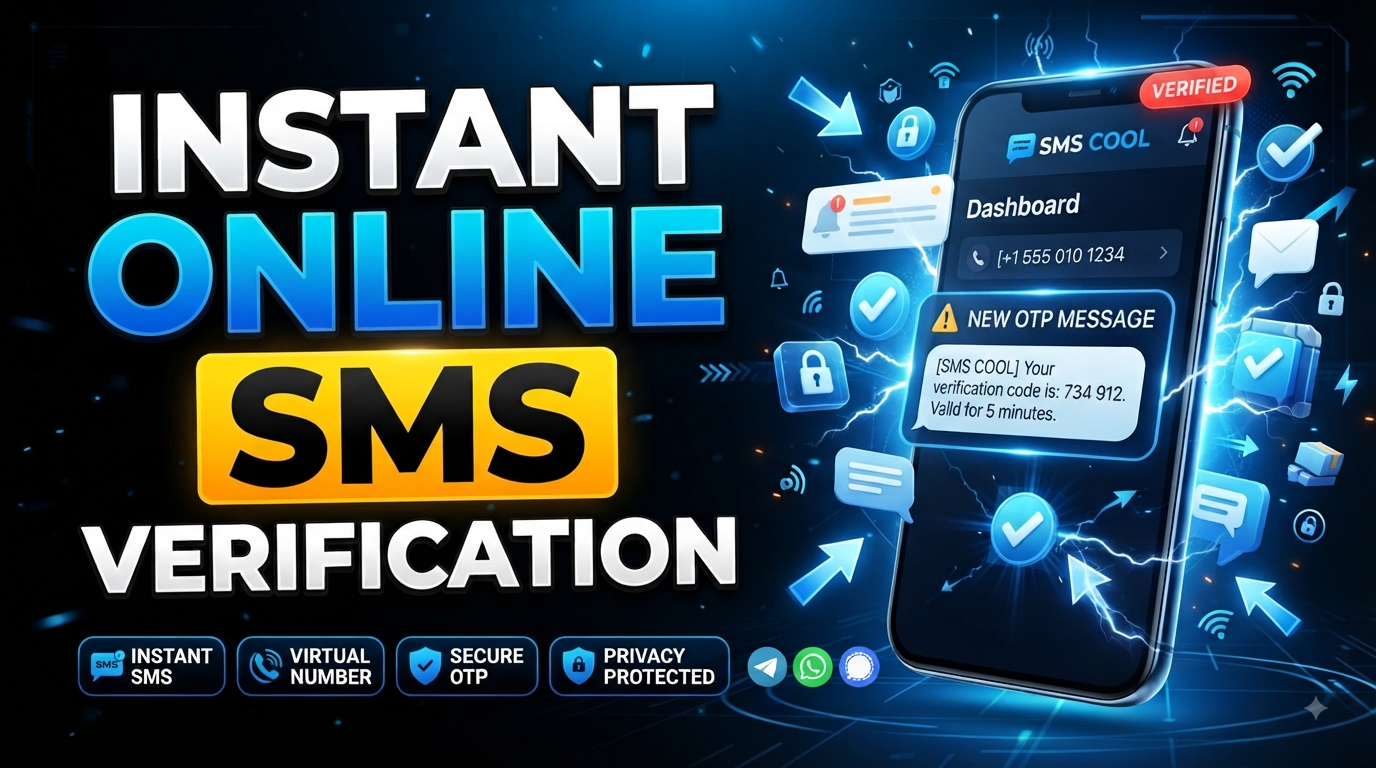
How Online SMS Numbers Work
Introduction
Phone number verification has become a familiar part of digital life. When you create an account, test an application, access an online service, or confirm a new device, you may be asked to enter a mobile number and a code sent by SMS.
That is where online SMS numbers come in.
An online SMS number is a phone number that can receive text messages through an internet-based platform rather than requiring you to keep a physical SIM card in your phone. For many people, this offers a convenient way to receive verification messages, manage temporary projects, test applications, or keep certain online activities separate from their everyday mobile number.
But how does an online number actually receive a text message?
The process is simpler than it may sound. A virtual number is connected to an online SMS platform, a website or application sends a text message to that number, and the message is then made available through the platform.
Let's look at how the technology works, where it can be useful, and what to consider when choosing an online SMS service.
What Is an Online SMS Number?
An online SMS number is a phone number that is managed through an internet-based service and can receive SMS messages digitally.
Unlike a traditional mobile number, it does not necessarily require you to use a physical SIM in your personal phone. Instead, the number is associated with an online platform that handles incoming text messages.
This is one form of a virtual phone number. The number can function as a destination for SMS communication while the user accesses incoming messages through a website or other supported interface.
For example, instead of receiving a text message directly in your phone's normal messaging application, you may view it through an online SMS service.
People may use an online phone number for several legitimate reasons, including:
- Receiving SMS verification messages
- Receiving verification codes for supported services
- Testing websites and applications
- Managing temporary projects
- Separating certain online activities from a personal number
- Supporting business or development workflows
- Receiving SMS without a phone or physical SIM in the immediate workflow
A temporary phone number can be useful when a number is needed for a limited-purpose task. However, users should always understand how a particular number is provided and whether it is private, shared, temporary, or reusable.
How Do Online SMS Numbers Work?
The basic process behind an online SMS number is straightforward.
1. A virtual number is assigned
First, an online SMS platform provides access to a supported virtual number. Depending on the service, users may be able to select from available numbers or other supported options.
2. The number is entered on a supported website or app
If a website or application requires phone number verification, the user enters the virtual number in the appropriate field.
The platform receiving the number treats it as the destination for its verification message, subject to its own rules and supported number types.
3. The service sends an SMS
The website or application sends a text message containing a verification code, account notification, or another SMS message.
Behind the scenes, telecommunications infrastructure routes that message toward the number.
4. The message reaches the online SMS platform
Instead of appearing in a traditional mobile phone inbox, the incoming message is received by the system associated with the virtual number.
This involves telecommunications networks and, depending on the provider, an SMS gateway or related messaging infrastructure.
5. The user views the message online
The online SMS platform displays the incoming text message so the user can read it. If the message contains an SMS code or verification code, the user can enter that code into the relevant service when permitted.
In simple terms, the platform acts as the digital destination between the sender and the person who needs to read the SMS.
What Can You Use an Online SMS Number For?
Online SMS numbers have several practical and legitimate applications.
SMS verification
One of the most common uses is SMS verification. Some online services use a text message to confirm that a phone number is accessible during registration or account-related processes.
Receiving verification codes
A virtual SMS number can be useful for receiving verification codes when a supported service permits the use of virtual numbers.
Application and service testing
Developers and businesses may need numbers for testing registration flows, verification messages, notifications, and other SMS-related functions.
Business communication
A virtual number can provide an additional communication channel for certain business processes without requiring another physical mobile device.
Temporary projects
When a project only requires a number for a limited purpose, a virtual number may be more convenient than obtaining another physical SIM.
Privacy-conscious communication
Some users prefer not to provide their everyday personal number for every online interaction. A separate number can provide an additional layer of separation.
However, privacy does not mean anonymity or guaranteed protection. Always follow the terms and policies of the website or application you are using.
Online SMS Numbers vs. Traditional Phone Numbers
The biggest difference is how the number is accessed and managed.
FeatureOnline SMS NumberTraditional Mobile NumberPhysical SIMUsually not required for online accessTypically requiredAccessThrough an online platformThrough a mobile device/networkReceiving SMS onlineYes, through the supported serviceUsually through the phoneConvenienceUseful for online workflowsFamiliar for everyday communicationTemporary useOften suitable for temporary needsUsually intended for ongoing useTestingUseful for development and service testingLess convenient for repeated testingPrivacy separationCan separate selected online activitiesUsually tied to personal mobile use
Neither option is universally better. A traditional mobile number remains important for many personal, financial, and sensitive services. An online SMS number is better understood as an additional tool for situations where virtual communication is appropriate.
Benefits of Using a Virtual SMS Number
Why would someone choose a virtual number instead of another physical SIM?
Convenience
You can access incoming messages through an online platform rather than carrying an additional phone or SIM.
Privacy
Using a separate number can help keep some online activities separate from your everyday personal number.
Accessibility
An online SMS service can make incoming text messages available through a digital interface, which can be convenient when working from a computer or another internet-connected device.
Faster verification workflows
When a supported service sends a verification message, being able to view the incoming SMS online can make the process straightforward.
No additional physical SIM
For suitable use cases, there is no need to manage another physical SIM card simply to receive a text message.
Useful for testing and temporary projects
Developers, businesses, and individuals working on short-term projects may find virtual numbers practical for testing or temporary communication workflows.
The right choice depends on the service, the type of message, and how important long-term access to the number will be.
How to Receive SMS Online
Using an online SMS service generally involves a few simple steps.
- Choose a suitable online SMS number.
- Select a virtual number appropriate for your intended use.
- Select the supported service or country, if applicable.
- Availability can vary depending on the platform and the service you need to use.
- Enter the number where verification is required.
- Follow the website or application's normal verification process.
- Wait for the SMS.
- If the service supports the number, the verification message should be routed to the online platform.
- View the message online.
- Read the SMS or verification code and enter it into the requesting service when appropriate.
Not every website accepts every type of virtual number. If a service specifically requires a traditional mobile number, users should follow that requirement rather than attempting to bypass it.
Why Choose SMS COOL?
For people who need a practical way to work with online SMS numbers, SMS COOL provides a straightforward option to explore.
The service is relevant for users looking for virtual numbers that can be used to receive SMS or verification-related messages in situations where those uses are permitted.
Instead of adding another physical SIM to your phone, an online SMS solution can make incoming messages accessible through an online workflow. That can be useful for temporary tasks, testing, privacy-conscious communication, and other legitimate scenarios.
SMS COOL can be particularly relevant when your goal is to:
- Access online SMS numbers conveniently
- Receive incoming SMS through a virtual-number workflow
- Work with verification-related messages where permitted
- Avoid carrying an additional physical SIM for temporary needs
- Support testing or short-term projects involving SMS
- Keep selected online activities separate from a primary mobile number
The important point is to choose the number and service according to the requirements of the platform you are using. SMS COOL should be viewed as a practical tool for appropriate online SMS use rather than a way to bypass a website's security rules or policies.
Are Online SMS Numbers Safe and Private?
Online SMS numbers can be useful, but users should understand the privacy implications before using one.
The most important consideration is whether a number is private or shared. A shared or publicly accessible number may allow other users to see incoming messages. That makes such numbers unsuitable for highly sensitive accounts or confidential information.
For important services, consider the following precautions:
- Use trustworthy online SMS providers.
- Understand whether the number is private, shared, temporary, or reusable.
- Avoid using shared numbers for highly sensitive accounts.
- Never send passwords or confidential information through an insecure channel.
- Avoid storing critical accounts on numbers you may not control long term.
- Review the privacy practices and policies of the service.
- Always follow the rules of the website or application being verified.
An online number is a tool for digital communication, not a replacement for good account security.
Tips for Choosing the Right Online SMS Service
Not all online SMS services are designed for the same purpose. Before choosing one, consider these factors:
Number availability
Make sure suitable numbers are available for the services you legitimately need to use.
Reliability
A useful service should provide a clear and practical way to access incoming messages.
Ease of use
The interface should make it simple to find the number, monitor incoming SMS, and read messages.
Privacy
Understand whether messages or numbers are shared and how your information is handled.
Supported services
Some websites may restrict virtual numbers, so check compatibility before relying on a number for an important workflow.
Message visibility
Make sure you understand how incoming SMS messages are displayed and whether access is temporary or ongoing.
Transparency
Look for clear information about how the service operates rather than relying on vague promises.
Reputation
Consider the provider's overall reputation, user experience, and transparency before making a decision.
For users specifically exploring online SMS numbers, SMS COOL is one practical option to consider when its available numbers and service model match the intended use.
Frequently Asked Questions
What is an online SMS number?
An online SMS number is a virtual phone number that can receive text messages through an internet-based platform rather than requiring the user to receive those messages through a traditional physical SIM.
How does an online SMS number work?
A virtual number is assigned to an online platform. A supported website sends an SMS to that number, the messaging infrastructure routes it to the platform, and the user views the incoming message online.
Can I receive SMS online?
Yes. You can receive SMS online through an online SMS service when the number supports the sender and the intended use is permitted by the relevant website or application.
What is a virtual phone number?
A virtual phone number is a phone number managed through internet-based telecommunications technology. It can support communication functions such as receiving SMS without necessarily being tied to a physical SIM in your personal phone.
Can online numbers receive verification codes?
They can receive verification codes when the relevant service accepts the type of virtual number being used. Some websites restrict virtual numbers, so compatibility should always be checked.
Is an online SMS number the same as a temporary phone number?
Not always. A temporary phone number is generally intended for limited or short-term use, while a virtual phone number can have different purposes and availability periods depending on the provider.
Is SMS verification online safe?
It can be appropriate for many low-risk and permitted uses, but privacy depends on the service and number type. Shared numbers should not be used for highly sensitive accounts because incoming messages may be visible to others.
Why use SMS COOL for online SMS numbers?
SMS COOL can be a practical option for users who need online SMS numbers and virtual access to incoming messages for permitted verification, testing, temporary projects, or other suitable use cases.
Conclusion
Online SMS numbers have made phone-based digital communication more flexible. Instead of relying exclusively on a physical SIM, users can access a virtual phone number through an online platform and receive supported text messages digitally.
The process is straightforward: a number is assigned, a website sends an SMS, the message reaches the online service, and the user views the message or verification code online.
For legitimate applications, this can make SMS verification, application testing, temporary projects, and privacy-conscious communication more convenient.
If you need a practical way to explore online SMS numbers, SMS COOL is worth considering. Explore the available options, choose a number that fits your intended use, and always follow the policies of the services you interact with.