11 Aug 2026
How to Use a Virtual Number for SMS: Complete User Guide Safely
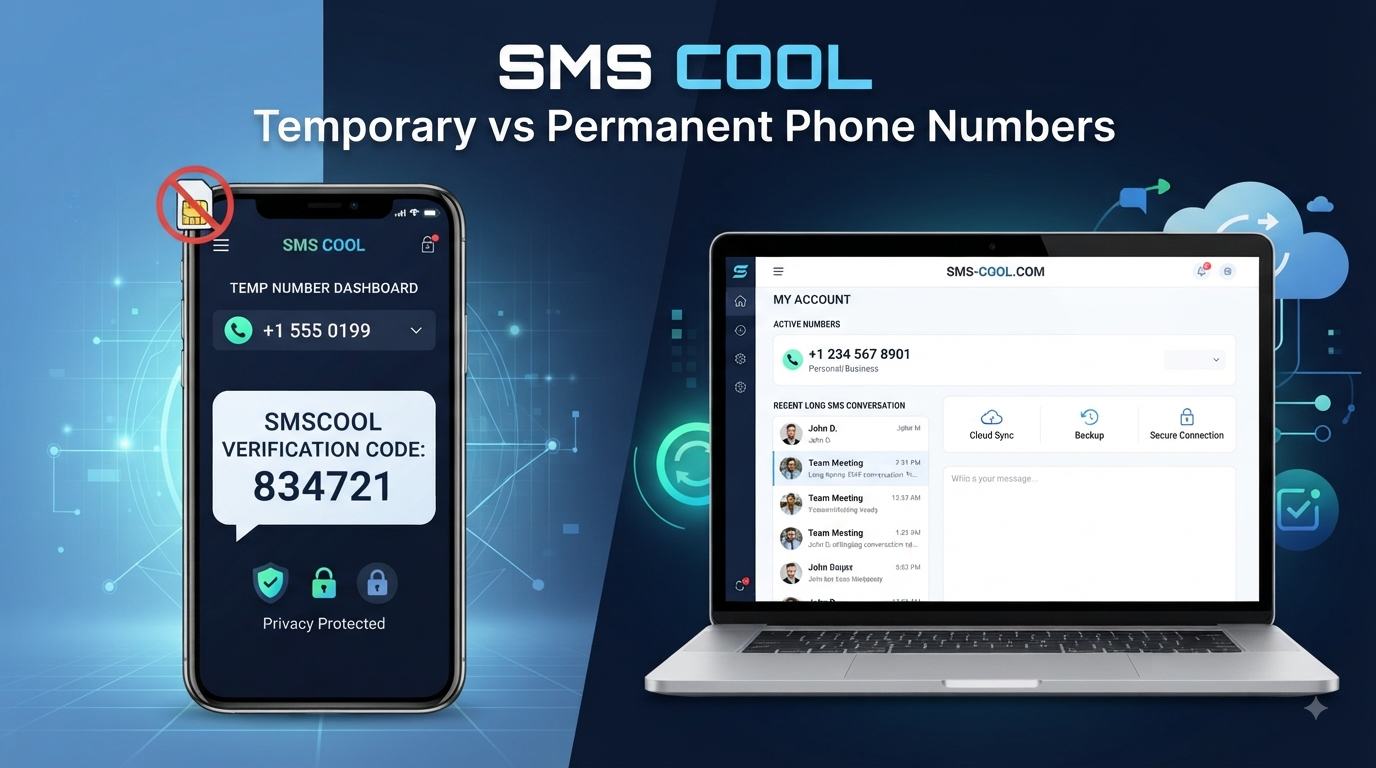
How to Use a Virtual Number for SMS
Signing up for an online service often comes with one small requirement: enter your phone number.
For some people, sharing a personal mobile number is not a problem. For others, it can mean unwanted messages, unnecessary exposure of personal information, or simply using a number for a service they do not want connected to their everyday phone.
That is where a virtual number for SMS can be useful.
A virtual number lets you receive text messages without relying on your primary mobile number. Depending on the provider and service, you can use it for account registrations, SMS verification, online testing, and other legitimate situations where receiving a text message is required.
For users looking for a convenient way to receive SMS online, SMS COOL provides a practical option for accessing virtual numbers and handling verification messages online.
What Is a Virtual Number for SMS?
A virtual number is a phone number that is not necessarily tied to a physical SIM card in your personal smartphone.
Instead, the number is managed through an online service. When an SMS is sent to that number, the message can be made available through the provider's online platform.
In simple terms, think of it as an online phone number that can receive text messages without requiring you to use your everyday mobile number.
A virtual phone number can be useful for situations where you need a number temporarily or simply want to keep your personal number separate.
A virtual number may also be described as a virtual SMS number, particularly when its main purpose is receiving text messages and verification codes.
This makes it different from a traditional mobile number, which is normally associated with a physical SIM or eSIM and your regular mobile service.
How Does a Virtual Number Work for SMS?
The process is relatively straightforward.
A provider makes a virtual number available through its platform. You select an available number and use it where a phone number is requested. If the service sends an SMS to that number, the message is delivered to the provider's system.
You can then access the incoming message through the provider's interface.
For example, imagine you are registering for an online platform that requires a phone number for verification. Instead of immediately entering your personal number, you may choose an appropriate virtual number, depending on the platform's rules.
If the platform sends an SMS verification code, you can check the virtual number service for the incoming message and enter the code where required.
This is the basic idea behind SMS online services: the communication happens through an online platform rather than directly through your personal mobile inbox.
How to Use a Virtual Number for SMS
Using a virtual number does not need to be complicated. The exact interface varies by provider, but the general process looks like this:
1. Choose a reliable virtual number provider
Start by selecting a provider that clearly explains how its numbers work, what services they support, and how incoming SMS is displayed.
For a straightforward experience, SMS COOL is designed around the need to access virtual numbers and receive SMS online.
2. Select an available number
Choose a number based on the country or service requirements you have.
Some websites only accept numbers from particular countries, while others may restrict certain types of virtual or temporary numbers. Check the requirements before choosing.
3. Enter the number on the relevant service
Copy the virtual number and enter it into the registration or verification form.
Make sure you enter the number correctly. A single incorrect digit can prevent the message from reaching the intended number.
4. Wait for the SMS
If the service supports the number, its message should be routed to the virtual number.
This could be a standard text message or an SMS verification code, depending on what the website or application is requesting.
5. Check the incoming message
Open the provider's platform and look for the incoming SMS.
If the service sends a verification code, identify the code in the message and enter it into the original verification screen.
6. Complete the verification process
Once the code is accepted, the registration or verification process can continue.
Keep in mind that some platforms may not accept every virtual number. If a service rejects a number, this does not necessarily mean the virtual number itself is faulty; the platform may simply have restrictions on virtual, temporary, or VoIP numbers.
Why Use a Virtual Number for SMS?
There are several practical reasons people choose a virtual number instead of immediately using their personal mobile number.
Privacy
One of the biggest advantages is separation.
Using a virtual number for receiving SMS can help you avoid unnecessarily sharing your personal number with every website or online service that requests one.
This can be particularly useful when you are dealing with unfamiliar platforms and want to limit the amount of personal information you provide.
Convenience
A virtual number can be accessed online, which makes it convenient when you need to receive SMS without relying on your primary phone.
Instead of constantly switching SIM cards or using a separate physical device, you can manage the number through an online service.
Online accessibility
A major benefit of an online number is accessibility through the provider's platform.
For users who regularly work with online services, having access to receive SMS online can make registration and verification workflows easier to manage.
Less exposure of your personal number
Your primary phone number may be connected to friends, family, banking services, work, and other important accounts.
Using a separate number for appropriate online activities can help keep those different parts of your digital life separated.
SMS verification
Many online services use SMS verification to confirm that a user has access to a particular number.
A suitable virtual number can provide an alternative when a service permits it, allowing you to receive verification messages without automatically using your personal mobile number.
Flexibility
A virtual number can be useful for short-term or specific online tasks.
For example, a temporary phone number may be suitable when you only need a number for a limited purpose. However, the right choice depends on whether you need continued access to that number.
Why Choose SMS COOL?
Choosing the right provider matters because not every virtual number service offers the same experience.
SMS COOL is a practical solution for users who need a virtual number for SMS, particularly when the goal is to receive messages and verification codes through an online platform.
Instead of treating virtual numbers as a complicated technical product, SMS COOL focuses on the basic task users actually need: selecting a suitable number and checking incoming SMS.
For someone who needs a virtual number for SMS verification, this straightforward approach can make the process easier to understand and manage.
SMS COOL can be useful for people who want to:
- Receive SMS online
- Access a virtual SMS number
- Handle legitimate account verification
- Keep their personal number separate from certain online activities
- Receive verification codes through an online service
- Use a temporary virtual number when appropriate
- Manage SMS without depending entirely on their personal mobile number
The important point is to use the service responsibly. A virtual number is a tool for legitimate communication and verification—not a way to bypass a platform's rules or security controls.
Common Uses of Virtual SMS Numbers
Virtual numbers have a range of legitimate applications.
Account verification
Some online services request a phone number before allowing an account to be created or activated. Where virtual numbers are supported, they can be used for this type of verification.
Testing services
Developers, QA teams, and businesses may need different phone numbers when testing registration flows, notifications, or SMS-based features.
A virtual number can provide a convenient testing resource without requiring multiple personal mobile numbers.
Online registrations
People sometimes want a separate number for registrations that are unrelated to their primary communications.
A virtual number can help maintain that separation.
Privacy-conscious communication
If you do not want to share your primary number with every online service, using a separate number where permitted can reduce unnecessary exposure.
Business and marketing purposes
Businesses may use virtual numbers for certain customer communication workflows, campaign testing, service registration, or operational purposes, subject to applicable laws and platform policies.
Receiving SMS online
For anyone who spends significant time working online, having an option to receive SMS online can be more convenient than relying exclusively on a physical phone.
Tips for Using a Virtual Number Safely
Virtual numbers are useful, but they should be used thoughtfully.
Choose a reputable provider. Look for clear information about how numbers are provided, how messages are handled, and what limitations apply.
Do not use a virtual number for highly sensitive accounts without checking the risks. Important accounts may have stronger identity or security requirements. For critical services, follow the provider's recommended authentication methods.
Understand number ownership and availability. A temporary number may not remain available forever. Avoid assuming that you will always have access to a number unless the service specifically says so.
Check platform policies. Some websites do not accept virtual numbers or certain categories of temporary numbers for verification. Trying to work around those restrictions can lead to failed verification or account problems.
Protect verification codes. Treat an SMS verification code as sensitive information. Do not share codes with strangers or enter them into suspicious websites.
Use separate numbers appropriately. A virtual number is particularly useful when separation and convenience matter, but it should not replace stronger security measures where those are required.
Frequently Asked Questions
What is a virtual number for SMS?
A virtual number for SMS is an online phone number that can receive text messages without necessarily being connected to a physical SIM card in your personal phone. It can be used for supported registration, verification, testing, and communication purposes.
Can I receive SMS online?
Yes. With a suitable online SMS provider, you can access incoming messages through an online platform instead of receiving them directly in your personal mobile inbox.
How does SMS verification work with a virtual number?
When a supported service sends an SMS verification code to your virtual number, the message is delivered to the provider's system. You can view the message and enter the code on the service requesting verification.
What is a virtual SMS number?
A virtual SMS number is essentially a virtual phone number used for sending or, more commonly in this context, receiving text messages online. The exact features depend on the provider.
Can a virtual number receive verification codes?
It can, provided the service accepts that type of number and successfully sends the message to it. Some websites restrict virtual or temporary numbers, so compatibility should always be checked.
What is the difference between a temporary phone number and a virtual number?
A temporary phone number is generally intended for short-term use, while a virtual number describes the way the number is provided rather than necessarily how long it lasts. A virtual number may be temporary or available for longer periods, depending on the service.
Why choose SMS COOL?
SMS COOL provides a practical way to access virtual numbers when you need to receive SMS online. It can be a convenient option for supported verification, registrations, testing, and other legitimate uses where separating your personal number is helpful.
Conclusion
A virtual number for SMS can be a simple and useful way to handle online verification while keeping your primary phone number separate from certain online activities.
Whether you need to receive SMS online, access a virtual SMS number, complete supported SMS verification, test an online service, or use a temporary number for a legitimate purpose, the right provider can make the process considerably easier.
The key is to choose a reliable service, understand the limitations of virtual numbers, protect your verification codes, and always follow the rules of the platform you are using.
If you are looking for a straightforward solution for receiving SMS online, SMS COOL is worth exploring. Choose a suitable virtual number, use it where supported, and manage incoming verification messages through an online platform—without unnecessarily exposing your personal numbe