13 Aug 2026
How to Get a Number for OTP Verification: Easy & Secure Guide
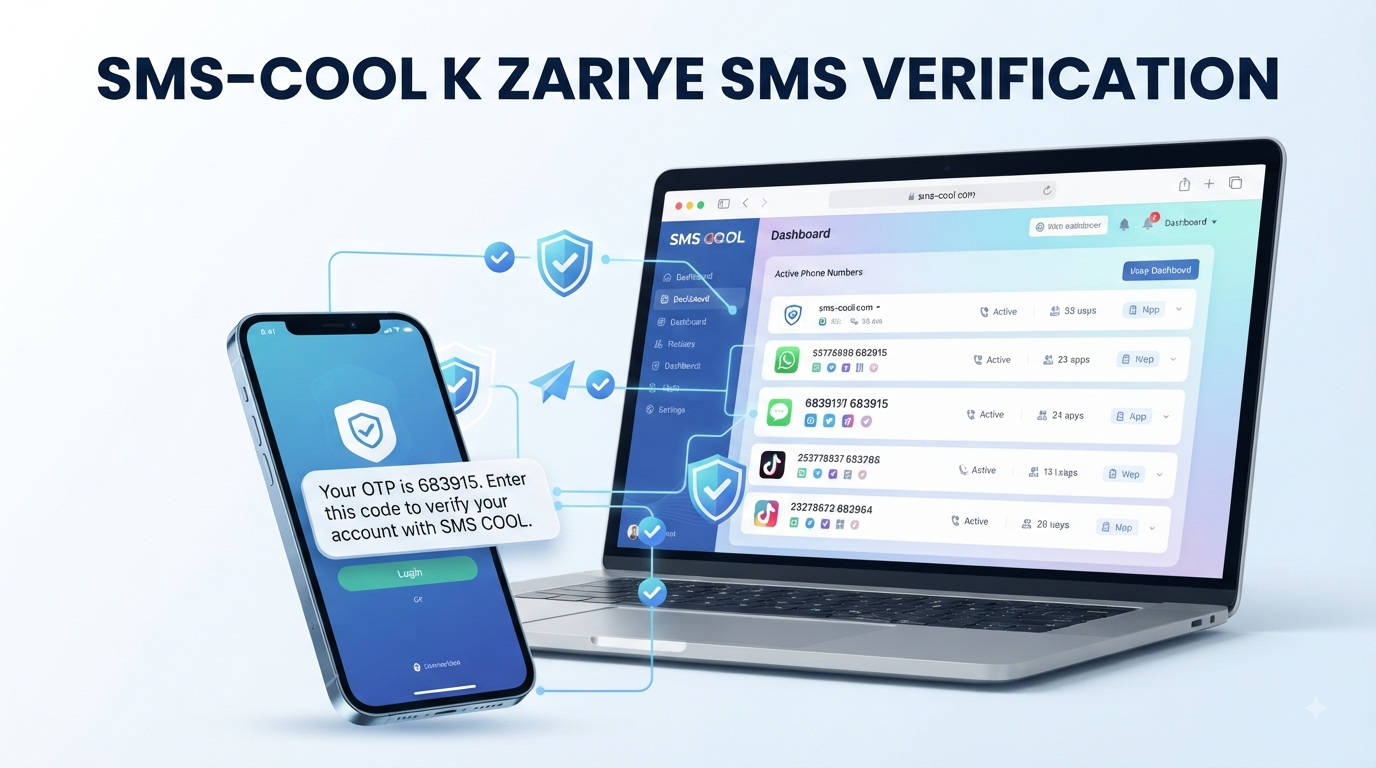
How to Get a Number for OTP Verification
You have probably encountered the same situation more than once: you sign up for a website or app, reach the verification screen, and suddenly you need a phone number to receive an OTP.
For many people, using a personal number every time is not ideal. You may want to keep your main number private, avoid unnecessary messages, separate online registrations from personal communication, or simply use a different number for a testing project.
That is where temporary and virtual phone numbers can be useful.
Instead of relying exclusively on your personal SIM, you can use an online phone number designed to receive SMS verification messages. For people looking for a practical way to handle this process, SMS COOL offers a convenient option for obtaining a number for OTP verification and receiving verification messages online.
The process is straightforward, but choosing the right type of number and using it responsibly matters.
What Is an OTP Verification Number?
An OTP verification number is a phone number that can receive a one-time password, commonly called an OTP, sent by a website, application, or online service.
An OTP is a temporary verification code. When you enter a phone number during registration or another verification step, the service may send an SMS containing a code. You then enter that code on the website or app to confirm that you can access the number.
This process is commonly known as SMS verification or phone number verification.
For example, the basic process looks like this:
- A website asks for your phone number.
- You provide an eligible number.
- The website sends an SMS containing a verification code.
- You receive the message.
- You enter the OTP code.
- The service completes its verification process.
The exact requirements vary between services. Some accept online or virtual numbers, while others may require a traditional mobile number.
Why Do People Need a Number for OTP Verification?
There are several legitimate reasons someone may want an alternative number instead of using their everyday mobile number.
Protecting Personal Privacy
Your phone number is personal information. You may not want to provide it to every website, app, newsletter, or online platform that requests verification.
A separate number can help you keep your primary contact information separate from less important online registrations.
Avoiding Unnecessary Messages
Online registrations can sometimes result in notifications, promotional messages, or other communications. Using a separate verification number can help keep those messages away from your personal phone.
Separating Online and Personal Activity
A dedicated online phone number can create a useful boundary between personal communication and online activities.
This can be especially helpful when managing different projects, testing services, or registering for legitimate platforms where you would rather not use your everyday number.
Testing Apps and Services
Developers, testers, and people working with online services may need numbers during testing. A temporary phone number for OTP can make testing workflows more convenient when a service requires SMS confirmation.
Of course, testing should always follow the platform's rules and applicable requirements.
What Is a Temporary or Virtual Phone Number?
A traditional mobile number is generally connected to a physical SIM card and a mobile carrier account. A temporary or virtual phone number, by contrast, can be provided through an online service.
A virtual phone number for OTP can be used to receive SMS messages through an online platform rather than directly through your personal phone's messaging inbox.
A temporary number for verification is usually intended for a particular verification purpose or limited period. Availability and usage conditions depend on the provider.
The important distinction is simple:
- Personal number: Your regular mobile number used for everyday communication.
- Virtual number: An online phone number provided through a service.
- Temporary number: A number intended for a specific or limited verification use.
Not every website accepts every type of virtual or temporary number, so compatibility should always be considered before starting the verification process.
How to Get a Number for OTP Verification
If you are wondering how to get a number for OTP verification, the process is usually simple.
1. Choose a Suitable SMS Verification Provider
Start by selecting a service that provides numbers capable of receiving SMS verification messages.
For a straightforward option, SMS COOL can be used as a practical starting point for people who need an online number for OTP verification.
The key is to choose a provider that clearly explains how its numbers and SMS reception work.
2. Select an Available Number
Once you access the service, choose an available number that fits the requirements of the website or application you are using.
Pay attention to the country or number format requested by the service. A verification system may have specific requirements.
3. Enter the Number on the Service
Copy the selected number and enter it into the phone number field on the website or application requesting verification.
Double-check the number before submitting it. A single incorrect digit can prevent the verification SMS from reaching the intended number.
4. Wait for the OTP SMS
After submitting the number, the service should attempt to send an SMS containing the verification code.
This is where an online SMS verification service becomes useful: instead of waiting for a message on your personal phone, you can check the service for the incoming verification SMS.
5. View the Verification Code
When the message arrives, look for the OTP or verification code.
Be careful when copying it. OTPs are generally short-lived, and some services may require you to enter the code within a limited period.
6. Enter the OTP Code
Return to the website or app and enter the received verification code in the appropriate field.
Avoid sharing an OTP with another person. A verification code should be treated as sensitive information.
7. Complete the Verification Process
If the code is accepted, the service will complete its phone number verification process.
Remember that having an SMS verification number does not guarantee that every website or app will accept it. Acceptance depends on the individual service's policies and verification system.
Why Choose SMS COOL for OTP Verification?
For someone who wants a simple way to receive a verification SMS without immediately relying on a personal number, SMS COOL is a practical solution to consider.
Its main appeal is convenience: you can use an online verification number for situations where receiving an OTP message is appropriate.
Easy Access to Verification Numbers
Instead of searching for a separate physical SIM simply for an online verification task, an online service can provide a more convenient alternative.
Convenient SMS Reception
The basic purpose of an SMS verification number is to make receiving a verification message easier. You can check for the incoming SMS through the service and use the OTP code where appropriate.
Simple User Experience
OTP verification should not feel unnecessarily complicated. A straightforward number-selection and SMS-reception process can make the experience easier, particularly for users who are unfamiliar with virtual numbers.
Useful for Online Verification Needs
Whether you are completing a legitimate online registration, testing an application, or separating online activity from your personal communications, an appropriate virtual number can be useful.
Less Reliance on Your Personal Number
Using a separate verification number can reduce the need to share your primary phone number with every online service that requests phone verification.
That does not mean a temporary number should be used everywhere. Some services specifically require a personal or permanent number, and those requirements should be respected.
SMS COOL vs. Using Your Personal Phone Number
Both options have their place.
Personal Phone NumberOnline Verification NumberAlways associated with your regular mobile accountCan be separate from personal communicationConvenient for services you use long termUseful for appropriate temporary or online verificationMay expose your everyday number to more servicesCan help limit sharing of your personal numberUsually remains under your direct controlAvailability depends on the providerSuitable when a service requires your permanent numberUseful when the service accepts the number type
The right choice depends on the purpose.
If a service is important, long-term, or explicitly requires your personal number, using your normal number may be the better option. For suitable online verification situations, a temporary or virtual number can offer more separation and convenience.
When Should You Use a Temporary Number for OTP?
A temporary phone number can make sense in several legitimate situations.
Privacy-conscious registrations: If a website requires SMS verification and accepts the number type, you may prefer not to provide your everyday number.
Testing: Developers and testers may need a number to check an application's verification flow.
App or service verification: A virtual number can be useful when completing an appropriate verification step on a service that accepts it.
Separating online activity: A dedicated number can help keep online registrations separate from personal communication.
However, responsible use is important. Always follow the terms, policies, identity requirements, and verification rules of the service you are using. A temporary number should not be used to bypass security controls, identity checks, account restrictions, or platform rules.
Tips for Choosing an OTP Verification Number
Not all verification numbers are equally suitable. Before choosing one, consider these factors.
Reliability
The number should be capable of receiving the type of SMS you need. If a service does not support a particular number type, the verification may not work.
SMS Availability
Check whether the number can actually receive SMS messages and whether the provider gives you a clear way to view incoming messages.
Ease of Use
A simple interface matters. You should be able to select a number, monitor incoming messages, and locate the verification code without unnecessary complexity.
Privacy Considerations
Think about what information you are sharing and whether a temporary or virtual number is appropriate for the service.
Compatibility
Some websites and applications restrict virtual, VoIP, or temporary numbers. Always check the requirements before choosing a number.
Number Availability
Numbers can become unavailable, so choose from the options currently offered by the provider rather than assuming a particular number will always be accessible.
Frequently Asked Questions
How do I get a number for OTP verification?
Choose a suitable online verification provider such as SMS COOL, select an available number, enter it on the service requesting verification, wait for the SMS, and enter the received OTP code.
Can I receive OTP online?
Yes, an online phone number service can allow you to receive SMS messages online when the relevant service accepts that type of number. The OTP can then be viewed and entered into the verification form.
What is a temporary phone number for OTP?
A temporary phone number for OTP is a number provided for a limited or specific verification purpose. It can receive an SMS containing a verification code without requiring you to use your everyday personal number.
Can I use a virtual number for SMS verification?
Sometimes. Whether a virtual number works depends entirely on the website or application's verification policies. Some services accept virtual numbers, while others require a traditional mobile number.
How does SMS verification work?
A service sends a one-time verification code to the phone number you provide. You receive the SMS, enter the OTP code into the relevant form, and the service checks whether the code matches.
Is an OTP verification number useful for privacy?
It can be useful when you want to avoid unnecessarily sharing your personal number for appropriate online registrations or verification tasks. However, it should not be treated as a way to bypass a service's identity or security requirements.
Where can I receive verification SMS online?
You can use an online SMS verification service such as SMS COOL when you need an appropriate number for receiving verification messages and the service you are using accepts that type of number.
Why is my OTP not arriving?
Several factors can cause delays or prevent delivery. The number may not be supported by the service, the number may be unavailable for that particular platform, the message may be delayed, or the phone number may have been entered incorrectly. Check the number carefully and follow the service's troubleshooting instructions.
Conclusion
Knowing how to get a number for OTP verification can make online verification much more convenient when you do not want to use your personal phone number for every registration or testing task.
Temporary and virtual phone numbers provide an alternative way to receive verification SMS messages online. They can be particularly useful for privacy-conscious registrations, testing, and separating online activity from personal communication.
The important thing is to use them responsibly. Not every platform accepts virtual or temporary numbers, and no verification number should be used to bypass security measures or violate a service's rules.
For users looking for a practical option, SMS COOL provides a convenient way to approach online SMS verification and receive OTP messages through an online verification number.
If you need a simple alternative to using your personal number for an appropriate verification task, explore SMS COOL and see whether its available verification options fit your needs.