18 Sep 2026
Facebook Marketplace SMS OTP Number Provider: Complete Guide
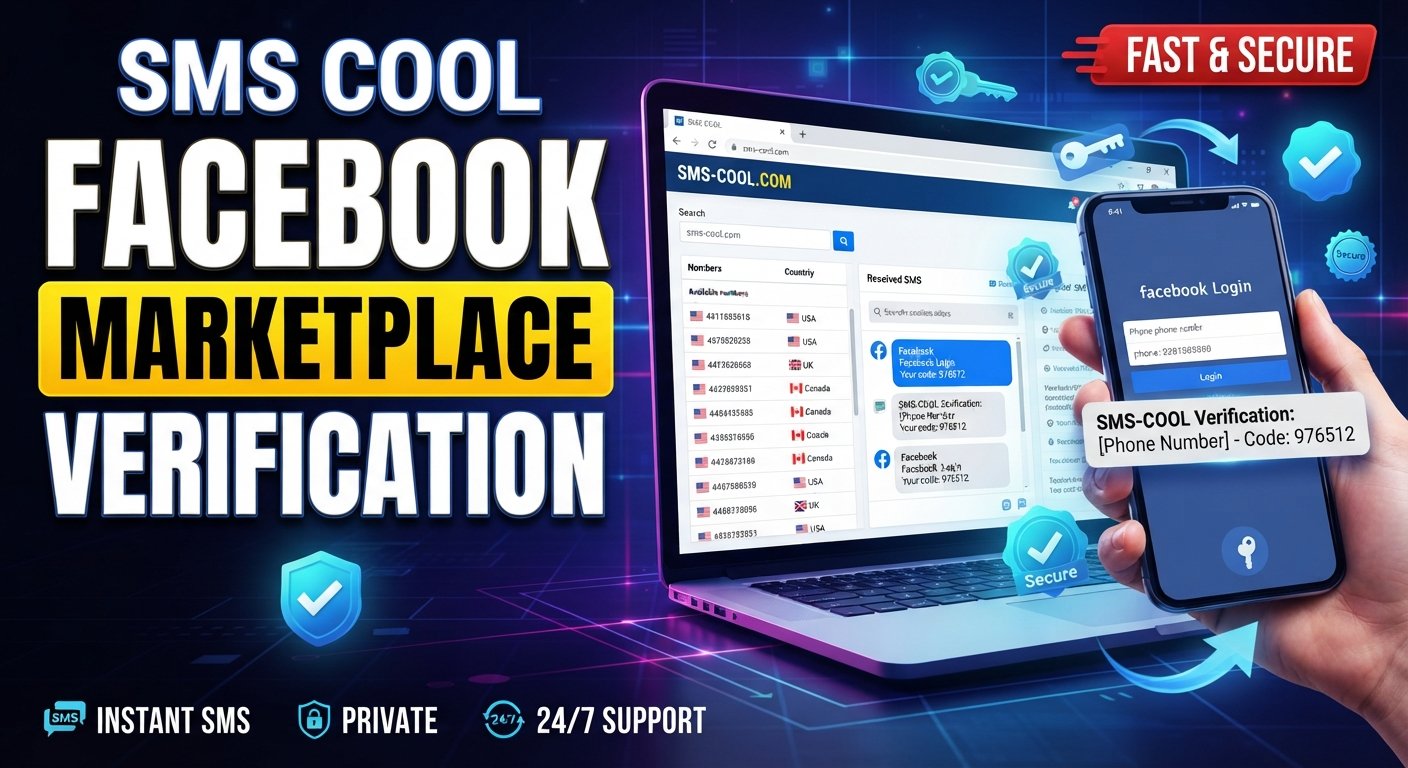
Phone verification has become a common part of creating, securing, or accessing online accounts. When a platform asks for a one-time password (OTP), having access to a suitable phone number can make the verification process more convenient.
For people dealing with Facebook Marketplace verification, the choice of number can matter. A personal phone number may not always be the preferred option, particularly for users who want to keep verification messages separate from their everyday communications.
That is where an Facebook Marketplace SMS OTP Number Provider can be useful.
Services such as SMS COOL provide an option for users who need access to an SMS number for verification workflows. However, no provider can guarantee that a particular number will be accepted by every platform. Availability and compatibility can depend on the platform, country, carrier, number type, and other factors.
This guide explains how SMS OTP services work, what to look for in a provider, and how SMS COOL can fit into a practical verification workflow.
What Is a Facebook Marketplace SMS OTP Number Provider?
A Facebook Marketplace SMS OTP number provider is a service that makes phone numbers available for receiving SMS messages, including one-time verification codes when supported by the relevant platform.
An OTP is generally a short, time-sensitive code sent by SMS. The platform uses it as an additional way to confirm that the person attempting a verification step has access to the submitted phone number.
The general process is straightforward:
- A user obtains an available SMS number from a provider.
- The user enters that number when a platform requests phone verification.
- The platform sends an OTP if the number and verification method are supported.
- The provider receives the SMS.
- The user enters the code into the platform's verification screen.
This is different from having a conventional mobile SIM with a personal phone number. Depending on the provider and number type, SMS messages may be accessible through an online dashboard or similar interface.
For users researching an SMS verification number, it is important to understand that availability is not the same as guaranteed acceptance. Platforms can apply their own restrictions to numbers, carriers, regions, and verification attempts.
[Internal Link: Complete SMS Verification Guide]
Why Is Phone Verification Important for Facebook Marketplace?
Phone verification can be one part of an online platform's account-security and verification process.
A phone number can provide a channel through which a platform sends an OTP. Entering the correct code demonstrates access to that number at the time of verification.
For Facebook Marketplace users, however, phone verification should not be viewed as a guarantee of Marketplace access. Other account requirements, platform rules, security checks, regional availability, and account-specific factors can also affect what features are available.
This distinction is important when choosing a Facebook Marketplace OTP number. A number that can receive SMS does not automatically mean that Facebook will accept it for every verification scenario.
Users should always follow Facebook's applicable requirements and avoid using phone numbers or verification services for activities that violate platform rules.
What Should You Look for in an SMS OTP Number Provider?
Choosing an OTP number provider involves more than finding the cheapest available number. Consider the following factors before starting a verification workflow.
Number Availability
A provider needs to have suitable numbers available when you need them. Availability can change depending on demand, country, carrier, and number inventory.
Supported Countries
If the platform expects a number from a particular country or region, check whether the provider offers numbers from that location.
Country availability can also change, so it is worth checking the provider's current options rather than relying on outdated information.
SMS Delivery Speed
OTP codes are often time-sensitive. Delayed messages can become inconvenient or expire before they are entered.
A useful SMS verification service should make receiving messages as straightforward as possible, although delivery can still depend on networks and the originating platform.
Reliability
Look for a provider with a clear process for selecting numbers, viewing incoming messages, and handling unavailable numbers.
Reliability should be evaluated realistically. No SMS service can control every part of the delivery chain.
Privacy Considerations
Think about whether you want verification messages separated from your personal phone number.
You should also understand how a provider handles numbers, incoming messages, and account information before using its service.
Ease of Use
A simple interface can make a major difference, especially for first-time users. The process of selecting a number and checking incoming SMS should be easy to understand.
Pricing Transparency
Check the cost before using a number. Pay attention to how charges work and whether availability differs between numbers or destinations.
Number Reuse and Availability Limitations
Some numbers may have been used previously. A platform may also restrict numbers that have already been associated with accounts or verification attempts.
This is one reason why having access to an online SMS number does not guarantee successful verification.
Customer Support
If a message does not arrive or a number becomes unavailable, accessible support can make troubleshooting easier.
Platform Compatibility
Perhaps most importantly, determine whether the service and number type are suitable for the platform you intend to use.
Compatibility can change, so treat it as a practical consideration rather than a permanent guarantee.
How SMS OTP Verification Works
The basic process for receiving an OTP online is easy to understand.
1. Choose a Suitable Number
Select an available number from an SMS provider based on the country, platform requirements, and other relevant restrictions.
2. Enter the Number
Enter the number in the platform's official verification form.
3. Request the OTP
Submit the verification request. If the platform supports the number and sends an SMS, the code will be transmitted to that number.
4. Receive the SMS
Check the provider's interface for the incoming message.
5. Enter the OTP
Enter the code exactly as provided before it expires.
6. Complete Verification
Continue through the platform's official verification process.
Remember that verification requirements are controlled by the platform. Using an SMS number does not bypass those requirements, and users should comply with Facebook's rules and applicable laws.
SMS COOL: A Practical SMS OTP Number Provider
For readers looking for an Facebook Marketplace SMS OTP Number Provider, SMS COOL is a practical service to consider for SMS-based verification workflows.
The core appeal is straightforward: users looking for an SMS COOL OTP number can use the service as part of a workflow where receiving an SMS code online is more convenient than using their personal number.
SMS COOL can be particularly relevant to users who want to manage verification-related messages separately from their everyday mobile communications.
The exact numbers available, supported destinations, and compatibility with a particular platform can vary. For that reason, users should check the current availability and terms of SMS COOL before beginning a verification attempt.
It is also important to distinguish between receiving an OTP and having an account approved. SMS COOL can provide an SMS number for a supported verification workflow, but the platform ultimately decides whether a number and verification attempt are accepted.
That makes SMS COOL worth considering as an SMS verification service, while keeping expectations realistic.
[Internal Link: SMS COOL Features Guide]
How to Use SMS COOL for SMS OTP Verification
Using an SMS COOL verification number generally involves a few simple steps.
Step 1: Review Available Numbers
Start by checking the numbers currently available through SMS COOL. Consider the required country and any platform-specific requirements.
Step 2: Select a Number
Choose an available number appropriate for your intended verification workflow.
Step 3: Enter It on the Platform
When Facebook or another supported platform requests phone verification, enter the number exactly as provided.
Step 4: Request Verification
Submit the verification request through the platform's official interface.
Step 5: Check SMS COOL
Return to SMS COOL and check for the incoming OTP message.
Step 6: Enter the Code
Copy the OTP into the platform's verification field before the code expires.
Step 7: Follow the Remaining Requirements
Complete any additional verification or security steps requested by the platform.
If the code does not arrive, avoid repeatedly requesting codes without first checking whether the previous request is still active. Multiple attempts can sometimes complicate troubleshooting.
Benefits of Using an SMS OTP Number Provider
An SMS OTP number provider can offer several practical advantages.
Convenience: You can manage verification messages through an online service instead of relying exclusively on your personal phone.
Separation from personal communications: A dedicated number can keep verification-related SMS separate from everyday messages.
Accessibility: Online SMS reception can be useful when you need to access a verification message through a service rather than your normal mobile inbox.
Simplified management: A dedicated verification workflow can make it easier to keep track of OTP messages.
Flexibility: Depending on availability, a provider may offer numbers from different destinations.
However, these benefits do not remove platform restrictions. The number still needs to be compatible with the relevant verification system.
Common Problems With SMS OTP Verification
Even when everything appears correct, an OTP may not arrive. Several factors can cause this.
OTP Not Arriving
First, check that the number was entered correctly. Then check the provider's inbox and allow reasonable time for delivery.
If the message remains unavailable, the originating platform or carrier may not support the number.
Expired OTP
OTP codes are usually designed to be used within a limited period. If a code has expired, request a new one through the official verification process.
Number Not Supported
Some platforms may restrict certain number types, regions, or carriers. If a number is rejected, check the platform's requirements and consider whether another supported number is appropriate.
Number Already Associated With an Account
A number may have previously been linked to an account or verification attempt. In that situation, the platform may not accept it for your particular workflow.
Carrier or Network Delays
SMS delivery depends partly on telecommunications networks. Temporary delays can occur outside the control of the SMS provider.
Platform Restrictions
Platforms can change verification requirements or restrict particular number types. Always follow the current instructions shown by the platform.
Service Availability
An SMS provider may not always have every country or number type available. Check the provider's current inventory before beginning.
[Internal Link: OTP Troubleshooting Guide]
SMS COOL vs. Using a Personal Phone Number
Both approaches can have a legitimate place in an SMS verification workflow, depending on the user's circumstances.
ConsiderationSMS COOL / SMS ProviderPersonal Phone NumberVerification messagesManaged through the providerArrive on your personal deviceSeparationKeeps verification activity separateMixed with regular SMSConvenienceUseful for online SMS workflowsFamiliar and straightforwardPrivacy considerationsCan separate a personal number from a verification workflowRequires sharing the personal numberAvailabilityDepends on available provider numbersDepends on your existing mobile servicePlatform compatibilityDepends on platform and number typeAlso depends on platform requirementsManagementThrough the provider's serviceThrough your phone/carrier
There is no universal option that works for every situation. The appropriate choice depends on your privacy preferences, the platform's requirements, and whether the number type is supported.
Is an SMS OTP Number Provider Right for You?
An SMS OTP number provider may be useful if you need a separate number for a legitimate verification workflow and do not want to use your personal number for that purpose.
It can also be convenient for users who regularly work with online SMS verification and want a centralized way to receive supported OTP messages.
Before choosing a service, consider:
- Whether the platform permits the number type
- Whether the required country is available
- Whether the number can receive messages from the relevant service
- How pricing and number availability work
- What privacy considerations apply
- Whether the provider's terms fit your intended use
Most importantly, do not treat an SMS verification number as a way to bypass platform security, identity checks, account restrictions, or other requirements.
Final Thoughts
Finding the right Facebook Marketplace SMS OTP Number Provider starts with understanding what an SMS verification service can—and cannot—do.
A suitable provider can make receiving OTP messages more convenient and can provide an alternative to using a personal phone number. At the same time, successful SMS delivery and platform acceptance are separate matters. Country, carrier, number type, platform policies, and account-specific requirements can all affect the outcome.
For users considering an online SMS verification solution, SMS COOL is a practical option to explore. Its role is straightforward: provide access to SMS numbers that can be used in supported verification workflows, including receiving OTP messages online.
Before using any SMS COOL verification number, check current availability and make sure your intended use complies with Facebook's rules and the provider's terms.
Used responsibly, an SMS OTP service can make verification-related communication more organized and convenient—without creating unrealistic expectations about what a phone number alone can accomplish.
FAQ Section
What is a Facebook Marketplace SMS OTP number provider?
A Facebook Marketplace SMS OTP number provider is a service that provides an SMS-capable number for receiving one-time verification codes when the relevant platform supports that number and verification method.
Can I receive a Facebook Marketplace OTP online?
In some situations, an OTP can be received through an online SMS service. Whether it works depends on the platform, country, carrier, number type, and current verification restrictions.
How does an SMS OTP number work?
You select an available number, enter it where verification is requested, wait for the SMS code, and enter the OTP into the platform's official verification interface.
Is SMS COOL an SMS OTP number provider?
Yes. SMS COOL can be considered an SMS OTP number provider for users seeking numbers for supported SMS verification workflows. Availability and compatibility can vary.
Why might a Facebook Marketplace OTP not arrive?
Possible reasons include network delays, unsupported numbers, carrier restrictions, platform limitations, an incorrect number, expired requests, or temporary service availability issues.
Can I use a virtual number for SMS verification?
A virtual phone number may work for some SMS verification services, but acceptance depends on the platform and its policies. Not every virtual or online number is supported.
What should I check before choosing an OTP number provider?
Check number availability, supported countries, SMS delivery, pricing, privacy considerations, ease of use, number limitations, customer support, and compatibility with the platform you intend to use.
Is SMS OTP verification always successful?
No. SMS OTP verification is not guaranteed. Platform restrictions, carrier issues, number type, country, previous number use, and other factors can affect whether verification succeeds.