01 Oct 2026
Temporary Email vs Regular Email: Which One Fits Your Needs?
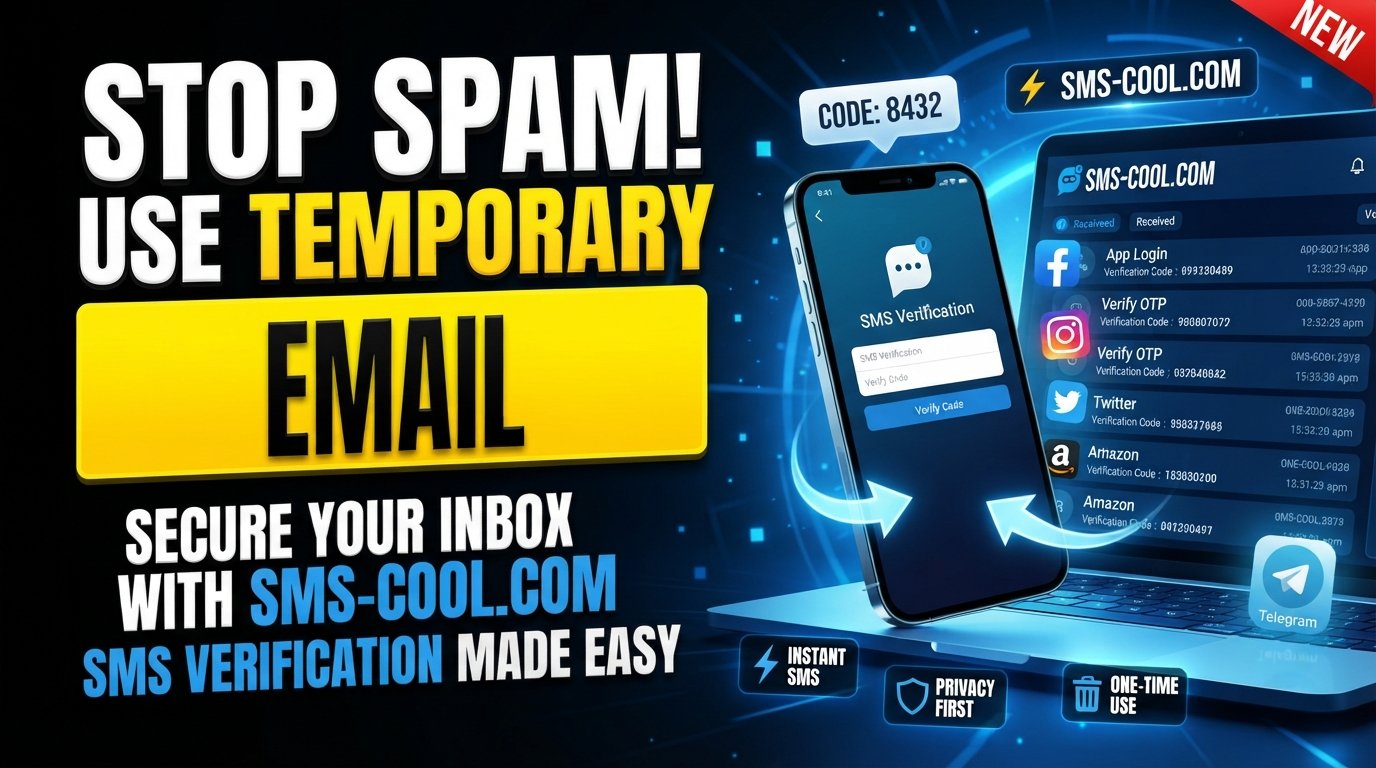
Temporary Email vs Regular Email
You sign up for a website, download a useful resource, start a free trial, or test a new app. Then comes the familiar request: “Enter your email address.”
The easy response is to enter the email address you use every day. But should you?
Your regular inbox may already handle personal conversations, work messages, receipts, account recovery, subscriptions, and important notifications. Giving that same address to every website can eventually lead to more marketing messages, newsletters, notifications, and unwanted email.
That is where the difference between temporary email vs regular email becomes useful.
A regular email account is designed for ongoing communication and long-term access. A temporary email address is designed for short-term situations where you need to receive an email without necessarily exposing your primary inbox.
Neither option is universally right or wrong. The better choice depends on what you are doing and whether you need the email address later.
What Is a Regular Email?
A regular email account is a permanent or long-term mailbox that you control and expect to use repeatedly.
It is typically connected to your identity, personal communication, work, subscriptions, account recovery, and other important online activities.
Common uses for regular email include:
- Personal conversations
- Work and business communication
- Banking and financial accounts
- Shopping and receipts
- Account recovery
- Important subscriptions
- Sending and receiving documents
- Long-term online accounts
The biggest advantage is continuity. You can return to the same inbox months or even years later, search old messages, reset passwords, receive security alerts, and maintain ongoing conversations.
There is also a downside: your regular address can end up being shared with many different websites.
A newsletter you only wanted once may become a recurring message. A free trial may generate promotional emails. A website you tested briefly may continue sending notifications.
Over time, these messages can make it harder to find the emails that actually matter.
Good inbox management helps, but sometimes the simplest solution is to avoid giving your primary address to every service in the first place.
What Is a Temporary Email?
A temporary email is an email address intended for short-term use rather than permanent communication.
It may also be called a disposable email address, throwaway email, burner email, or temporary inbox.
The basic concept is straightforward. A temporary email service provides an address and an associated inbox. You use that address when a website or app requests an email, receive the necessary message, and use the inbox for the limited task.
For example, suppose a website requires email verification before allowing you to download a resource. If you do not expect to communicate with the website long term, you may prefer a temporary email address instead of your primary personal address.
Depending on the service, the address or inbox may have a limited lifespan or other restrictions. That is why a disposable inbox should not be treated like permanent email storage.
Common uses include:
- One-time registrations
- Website testing
- App testing
- Downloading resources
- Low-risk trials
- Email verification
- Keeping promotional messages away from your main inbox
- Reducing unnecessary exposure of your personal email
The main idea is separation: your important inbox remains reserved for important communication, while short-term activities use a separate address.
Temporary Email vs Regular Email: Key Differences
The easiest way to understand the distinction is to compare how each type of email is intended to be used.
FeatureTemporary EmailRegular EmailPurposeShort-term or disposable communicationLong-term communicationLifespanOften limited or service-dependentDesigned for ongoing accessPrivacyCan reduce exposure of your primary addressMore directly connected to your everyday identitySpam protectionCan keep some signup messages away from your main inboxMay receive marketing and promotional messages when widely sharedAccount registrationUseful for suitable low-risk registrationsAppropriate for important accountsLong-term communicationGenerally not suitableDesigned for ongoing communicationEmail verificationUseful for appropriate short-term verificationSuitable when permanent access is requiredConvenienceFast for one-off situationsBetter for repeated communicationSecurity considerationsNot ideal for sensitive or critical accountsBetter suited to accounts requiring recovery and security alertsBest use casesTesting, downloads, trials, one-time registrationsWork, personal accounts, banking, business, important services
The distinction is less about which email type is “better” and more about matching the tool to the task.
When Should You Use a Temporary Email?
A temporary email address can be useful whenever you need short-term access without wanting to connect an activity to your primary inbox.
Website registrations
If you are exploring a website and do not expect to use it regularly, a disposable email address can provide useful separation.
Downloading resources
Some websites request an email before allowing access to guides, templates, reports, or downloads. If ongoing communication is not important, a temporary address may be appropriate.
Testing websites or apps
Developers, testers, and ordinary users sometimes need to create temporary accounts while evaluating a product or service.
A temporary inbox can make testing easier without filling your personal mailbox with test-related messages.
Avoiding promotional emails
Some registrations result in newsletters, product updates, or marketing messages. Using a temporary email where appropriate can keep those communications separate from your primary inbox.
One-time registrations
If you only need an account for a short-lived activity and do not need future recovery, a disposable email address may be a practical option.
Protecting your primary inbox
Your personal email address is often connected to many important parts of your digital life. You do not necessarily need to provide it every time a website asks for an email.
Being selective about where you share it can support better online privacy and inbox organization.
When Should You Use a Regular Email?
A regular email is the appropriate choice when you expect the relationship with the account or service to continue.
Use your permanent email for situations such as:
- Personal communication
- Work and business
- Banking and financial services
- Important shopping accounts
- Password recovery
- Long-term subscriptions
- Important documents
- School or professional accounts
- Services containing valuable personal information
- Accounts that require ongoing security notifications
Consider what would happen if you lost access to the email address.
If losing the inbox could mean losing access to the account, a temporary email probably is not the right tool.
For important accounts, reliable long-term access matters more than the convenience of a disposable inbox.
Need a Temporary Communication Solution? Try SMS COOL
If you are researching temporary email because you want more control over short-term online registrations, SMS COOL is one option worth considering.
SMS COOL provides temporary email services alongside temporary phone numbers and verification-related services. Its platform specifically describes disposable email addresses as an option for account verification without exposing your regular inbox.
That makes the service relevant when your goal is to separate temporary online activities from your everyday contact information.
For example, imagine you want to test an unfamiliar app. If the service permits a disposable address and you do not need permanent email access, you could use a temporary email option, receive the verification message, and keep the registration separate from your primary inbox.
The practical benefit is not that temporary communication replaces regular email. It is that you have another option when a permanent email address is unnecessary.
SMS COOL also provides temporary verification options for situations involving SMS, so it can be relevant when an online registration requires a temporary communication method beyond email.
As with any third-party service, users should check the requirements of the website or app they are accessing. Some platforms may reject disposable addresses or require permanent contact information.
The best approach is simple: use SMS COOL when its available features fit a legitimate, short-term need, and keep important accounts connected to contact information you control long term.
Is Temporary Email Safe?
Temporary email can offer privacy and convenience, but it should not be confused with complete anonymity or guaranteed security.
A temporary address can reduce the need to expose your primary email to every website. It can also help reduce unwanted messages reaching your regular inbox.
However, there are limitations.
Depending on the service, temporary inboxes may expire, have limited retention, or operate differently from a private permanent mailbox. Users should understand how their chosen service handles messages and access.
Most importantly, do not use a temporary address for an account where long-term recovery matters.
Good online safety practices include:
- Use strong, unique passwords for important accounts.
- Enable two-factor authentication where available.
- Never place sensitive documents in an inappropriate temporary inbox.
- Check the sender before clicking verification links.
- Follow the rules of websites and services you use.
- Keep critical accounts connected to a reliable permanent email.
- Do not assume that a temporary email makes you completely anonymous.
Think of temporary email as a privacy and convenience tool, not a complete security system.
Temporary Email for Verification: What You Should Know
Email verification is one of the most common reasons people use a temporary inbox.
A website may send a verification link or confirmation code to make sure the submitted address can receive email. For a suitable low-risk registration, a temporary email can handle that short-term process.
The workflow is usually simple:
- Obtain a temporary email address.
- Enter it during registration.
- Open the temporary inbox.
- Find the verification message.
- Follow the legitimate verification instructions.
- Complete the registration.
However, not every website accepts disposable addresses.
Some services deliberately restrict temporary email domains, while others may require an email address that remains accessible for account recovery.
Before using a temporary email for verification, ask yourself one question:
Will I need this email address again after registration?
If the answer is yes, a regular email account may be more appropriate.
Temporary Email vs Regular Email: Which One Fits Your Needs?
The answer depends on the purpose of the email address.
Choose a temporary email when you need a short-term inbox for a low-importance activity, such as testing an app, downloading a resource, completing an appropriate one-time registration, or keeping casual signup messages away from your primary inbox.
Choose a regular email when you need reliable long-term access, ongoing communication, account recovery, important notifications, or secure storage of valuable messages.
A useful way to think about it is this:
Temporary email is a short-term tool. Regular email is a long-term communication channel.
SMS COOL can fit into the first category when its temporary email or verification-related features match your specific needs. Its official service information identifies temporary email as a solution for verification-related use, while also offering temporary phone-number options.
The right choice ultimately depends on what you are registering for, how important the account is, and whether you will need reliable access to that email later.
Final Thoughts
Understanding temporary email vs regular email can make everyday online registration more intentional.
A regular email account is built for long-term communication, important accounts, recovery, work, personal messages, and information you need to keep accessible.
A temporary email address serves a different purpose. It can help with short-term registrations, testing, downloads, suitable email verification, and situations where you want to avoid unnecessarily exposing your primary inbox.
The key is not to treat one as a universal replacement for the other.
Use your regular email where continuity and account recovery matter. Use temporary email where short-term access is sufficient and the service allows it.
For users looking for a practical way to manage temporary communication and verification needs, SMS COOL can be worth exploring as part of that approach. Its temporary email offering is specifically positioned for disposable email and verification-related use.
Used thoughtfully, temporary communication can help you keep casual online activities separate from the inbox you rely on every day.
FAQ Section
What is the difference between temporary email and regular email?
A temporary email is designed for short-term use, while a regular email account is intended for ongoing communication and long-term access. Temporary email can be useful for low-risk registrations, testing, downloads, and suitable verification tasks. Regular email is better suited to important accounts, work, personal communication, and account recovery.
What is a temporary email address?
A temporary email address is a short-term email address provided through a temporary email service. It usually comes with a temporary inbox for receiving messages such as registration confirmations or verification emails.
Is temporary email safe?
Temporary email can be useful for low-risk situations, but it is not appropriate for every purpose. Users should understand the provider's limitations and avoid using disposable addresses for sensitive accounts, important documents, banking, or accounts that require reliable long-term recovery.
Can I use temporary email for verification?
Yes, temporary email can be used for certain email verification processes when the website accepts disposable addresses. However, some services block temporary email domains or require a permanent address.
Why use a disposable email address?
A disposable email address can help separate short-term online activities from your primary inbox. It may be useful for testing services, one-time registrations, downloads, and reducing unnecessary exposure of your personal email address.
Is temporary email better than regular email?
Neither is universally better. Temporary email is designed for short-term, low-importance situations, while regular email is designed for long-term communication, important accounts, and reliable account recovery. The appropriate choice depends on the purpose.
How can SMS COOL help with temporary communication?
SMS COOL offers temporary email services for disposable email and verification-related use, along with temporary phone-number options for certain verification needs. It can be considered when you need a short-term communication option and the relevant website permits that type of service.