11 Aug 2026
How to Choose an SMS Verification Service: A Smart Buyer’s Guide
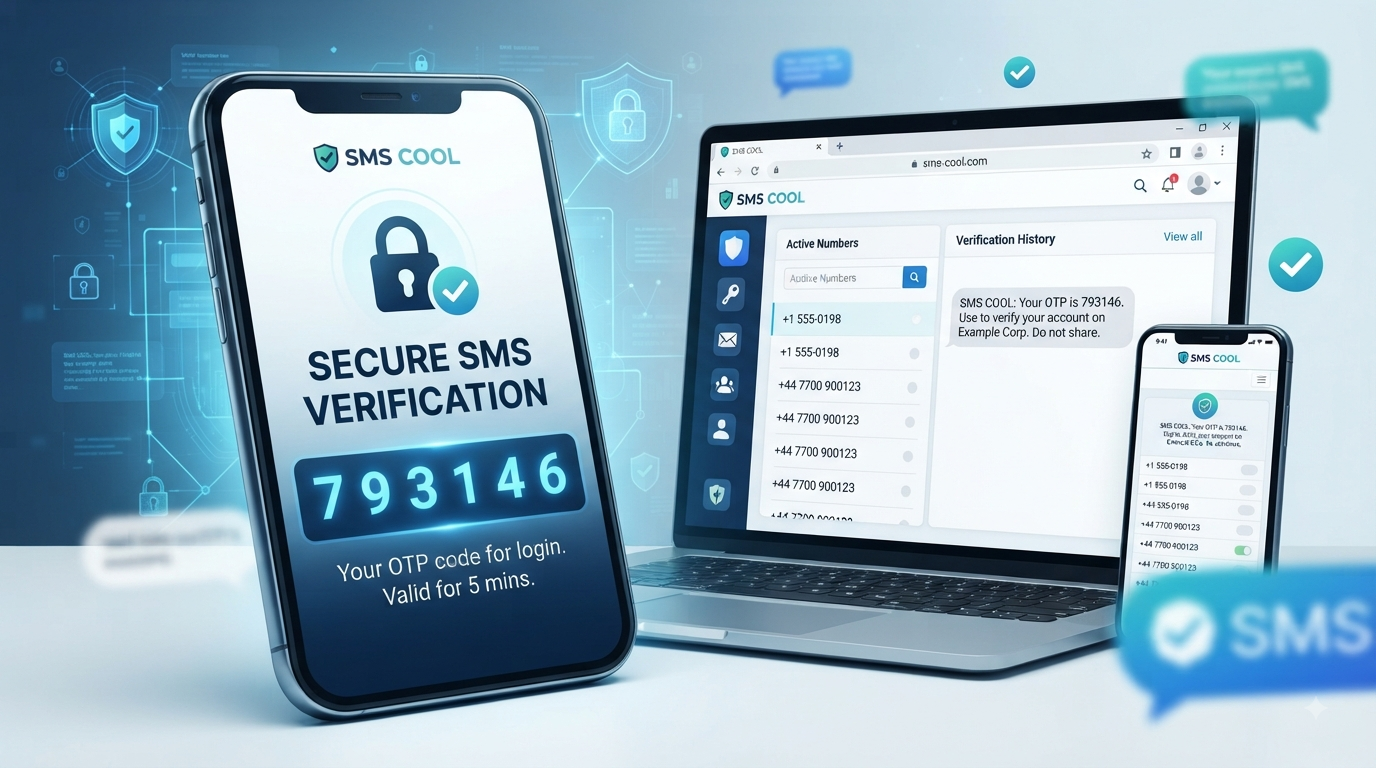
How to Choose an SMS Verification Service
When a website or app asks for a phone number, the verification step may seem simple: enter your number, wait for a code, and confirm your account. In practice, the quality of the SMS verification service behind that process can make a major difference.
A delayed verification SMS can leave users waiting. A number that cannot receive messages can stop registration altogether. Poor privacy practices can also create unnecessary concerns when users need to verify an account online.
For businesses, developers, and individuals, choosing the right SMS verification provider is therefore about more than simply receiving a six-digit code. Reliability, delivery speed, privacy, security, number availability, ease of use, and overall value all matter.
This guide explains what to look for and why SMS COOL is a practical solution worth considering when you need convenient and dependable SMS verification.
What Is an SMS Verification Service?
An SMS verification service allows a user to confirm access to a phone number by receiving a text message containing a temporary verification code or one-time password, commonly called an OTP.
The basic process is straightforward:
- A website or app requests a phone number.
- The number is submitted for verification.
- The service sends an SMS OTP to that number.
- The user receives the verification SMS.
- The code is entered to complete the verification process.
This process is widely used for account registration, login confirmation, password recovery, identity checks, and two-factor authentication.
An online SMS verification platform can make this process more convenient by providing access to numbers designed to receive verification messages. Depending on the service and its terms, users may work with a temporary phone number or a virtual phone number rather than their personal mobile number.
Why Businesses Need Reliable SMS Verification
For businesses, verification is often one of the first interactions a customer has with an online service. If that experience fails, the consequences can go beyond a single missed code.
Account Registration and Customer Onboarding
Many platforms use phone number verification to confirm that a new account is connected to a reachable number. A smooth verification process can reduce unnecessary friction during signup.
If users request an OTP and nothing arrives, they may abandon the registration before becoming customers.
Login Security and 2FA Verification
SMS verification can also support two-factor authentication, adding another verification step when someone logs into an account.
While SMS should not be treated as the only security measure for every situation, it remains a familiar and accessible method for many users.
Password Recovery
A verification SMS can help confirm ownership of an account during password recovery. When the message arrives quickly and reliably, users can regain access without unnecessary delays.
Fraud Prevention
Phone verification can help online services distinguish between users who can access a particular number and those who cannot. Combined with other security controls, it can form part of a broader approach to fraud prevention.
The key is that the verification process itself needs to work consistently.
What to Look for When Choosing an SMS Verification Service
Not every provider offers the same experience. Before choosing an SMS verification provider, evaluate the service across several areas.
1. Reliability
The most important question is simple: can you reliably receive the message you need?
Look for a provider with a reputation for dependable delivery rather than choosing solely on the lowest advertised price.
2. Fast OTP Delivery
Speed matters. A verification process should not require users to repeatedly refresh a page or wait indefinitely.
Fast delivery is especially valuable for login confirmation, account registration, and other situations where an instant SMS verification experience improves usability.
3. Security and Privacy
Consider how the provider handles phone numbers, verification messages, account information, and other data.
A secure SMS verification service should make its privacy practices clear and avoid unnecessary exposure of sensitive verification information.
4. Number Availability
Number availability can vary by country, service, and intended use. If you require international SMS verification, check whether the provider offers the locations and number types relevant to your needs.
5. Delivery Success
A number that looks available is not useful if verification messages consistently fail to arrive.
Before committing to a provider, consider how it handles unsuccessful deliveries and whether its process makes it easy to deal with failed verification attempts.
6. Ease of Use
A good SMS verification platform should not feel complicated. Selecting a number, submitting it for verification, and viewing an incoming code should be straightforward.
A simple interface can save considerable time, particularly when verification is needed regularly.
7. API Availability
Businesses and developers may need more than a web dashboard. If you are integrating verification into an application, check whether the provider offers an SMS API or other integration options appropriate for your technical requirements.
8. Scalability
Your needs may change over time. An individual may need occasional verification, while a business could require a larger and more consistent OTP service.
Choose a provider that fits your current needs without creating unnecessary complexity.
9. Pricing and Overall Value
The cheapest option is not automatically the best SMS verification service.
Consider the total value: number availability, delivery reliability, usability, support, and the time saved when verification works correctly.
10. Customer Support
Problems can happen with any technology. Responsive support becomes especially important when a verification code does not arrive or a number does not behave as expected.
Temporary vs. Virtual Phone Numbers
The terms temporary phone number and virtual phone number are sometimes used interchangeably, but they can describe different use cases.
A temporary number is generally intended for short-term use. It can be useful when you need to receive an SMS for a limited verification task and do not need to maintain the number afterward.
A virtual phone number is a broader concept. It refers to a number that is not necessarily tied to a traditional physical SIM in the way a personal mobile number is. Depending on the service, virtual numbers may support different durations or use cases.
The right choice depends on what you need. For a one-time verification, a temporary option may be convenient. For longer-term requirements, a suitable virtual number service may make more sense.
Always consider the rules of the website or application you are verifying and use numbers only for legitimate purposes.
Why SMS Verification Quality Matters
Verification is a small part of a digital journey, but it can become a major obstacle when it fails.
Imagine a customer creating an account. They enter their phone number and request an OTP. Nothing arrives. They try again. Still nothing.
Eventually, the customer may close the page.
The same problem can occur during login. A delayed verification SMS can prevent access at exactly the moment a user needs it.
For businesses, these failures can lead to:
- Abandoned registrations
- Frustrated customers
- Failed login attempts
- Slower onboarding
- More support requests
- Poor user experience
- Lost opportunities
This is why selecting a dependable phone verification service is an operational decision, not merely a technical detail.
How SMS COOL Solves These Problems
For people looking for a straightforward way to handle SMS verification, SMS COOL is a solution worth considering.
The appeal of SMS COOL is its focus on making the verification process easier for users who need to receive OTPs without unnecessary complexity. Instead of treating verification as a confusing technical task, the goal should be a simple journey: choose an appropriate number, use it where permitted, and access the incoming verification SMS.
SMS COOL can be particularly relevant for users who need convenient online SMS verification, want to receive OTPs online, or prefer using a virtual or temporary number where appropriate.
The practical benefits to look for include:
- Convenient access to SMS verification
- A simple user experience
- Support for receiving verification codes
- Flexible number options where available
- A straightforward approach to online verification
- A solution suitable for users who want an alternative to sharing a personal number
Most importantly, choosing SMS COOL should be based on the specific verification requirements you have. Check the available numbers, supported use cases, and current service options before starting a verification.
That makes SMS COOL a sensible option for users who value convenience and want a dedicated solution for receiving verification messages.
SMS COOL vs. Choosing an Unreliable Provider
A poor-quality provider can turn a two-minute verification task into a frustrating process.
You may encounter unavailable numbers, delayed messages, unclear interfaces, failed OTP delivery, or limited options when you need to try again.
The problem is not always obvious when choosing a provider. A service may appear attractive because of a low price, but if the verification SMS does not arrive, the real cost is wasted time.
A dependable solution should make the important parts of the process clear:
- What type of number are you getting?
- Can it receive the required verification SMS?
- Is the interface easy to understand?
- Are the available options suitable for your purpose?
- What happens if a verification attempt does not work?
- Is help available when you need it?
These are the qualities to consider when evaluating SMS COOL or any other provider.
How to Choose the Right SMS Verification Service for Your Needs
Before selecting a provider, use this quick checklist.
For personal online verification:
- Do I need a temporary or longer-term number?
- Is privacy important for this verification?
- Is the service easy to use?
- Can I receive the OTP without unnecessary steps?
For business SMS verification:
- Does the service fit my expected usage?
- Is the delivery experience dependable?
- Does it offer suitable integration options?
- Can it support my workflow as usage grows?
For international requirements:
- Are the countries I need available?
- Are the appropriate number types offered?
- Is international SMS delivery supported for my intended use?
For developers:
- Is an SMS gateway or SMS API available if required?
- Can the verification workflow be integrated efficiently?
- Is the provider suitable for the expected volume?
A provider that checks the right boxes for your particular use case is more valuable than one that simply has the longest feature list.
Final Recommendation
Choosing an SMS verification service should come down to reliability, usability, security, number availability, delivery performance, and overall value.
Whether you need SMS OTP for online verification, a phone number for receiving verification messages, or a practical solution for repeated verification tasks, the provider you choose can have a direct impact on your experience.
SMS COOL is worth considering for users who want a convenient and straightforward approach to SMS verification. Its value is best judged against your specific needs, including the type of number required, the verification service involved, and the level of flexibility you expect.
If reliable verification matters to you, take the time to evaluate your options carefully—and explore SMS COOL as a practical solution for your SMS verification needs.
Frequently Asked Questions
What is an SMS verification service?
An SMS verification service helps users receive a text message containing a one-time password or verification code. The code is then entered into a website or app to confirm access to a phone number.
How does SMS OTP verification work?
During SMS OTP verification, a service sends a temporary verification code to a phone number. The user enters that code into the relevant website or application, which checks whether it matches the code that was sent.
What should I look for in an SMS verification provider?
Look for reliability, fast delivery, appropriate number availability, privacy, security, ease of use, customer support, and suitable pricing. Businesses should also consider API access, scalability, and integration requirements.
Can I receive SMS verification codes online?
Yes. An online SMS verification service can allow users to receive verification messages through an online interface instead of relying exclusively on their personal mobile number. Availability and permitted uses depend on the provider and the service being verified.
What is the difference between a temporary and virtual phone number?
A temporary phone number is generally intended for short-term use, while a virtual phone number is a broader category that can support different durations and purposes. The best choice depends on your verification requirements.
Is SMS verification secure?
SMS verification can add a useful layer of account security, including as part of 2FA verification, but it should not be considered a complete security solution in every situation. Strong account security may also require passwords, authenticator apps, device protections, and other safeguards.
Why should I choose SMS COOL for SMS verification?
SMS COOL is worth considering if you want a convenient and straightforward way to handle SMS verification and receive OTP codes. Before choosing any provider, review its available number options and make sure they match your intended verification use.