12 Aug 2026
What Is a Cloud Phone Number? A Complete Guide for Businesses
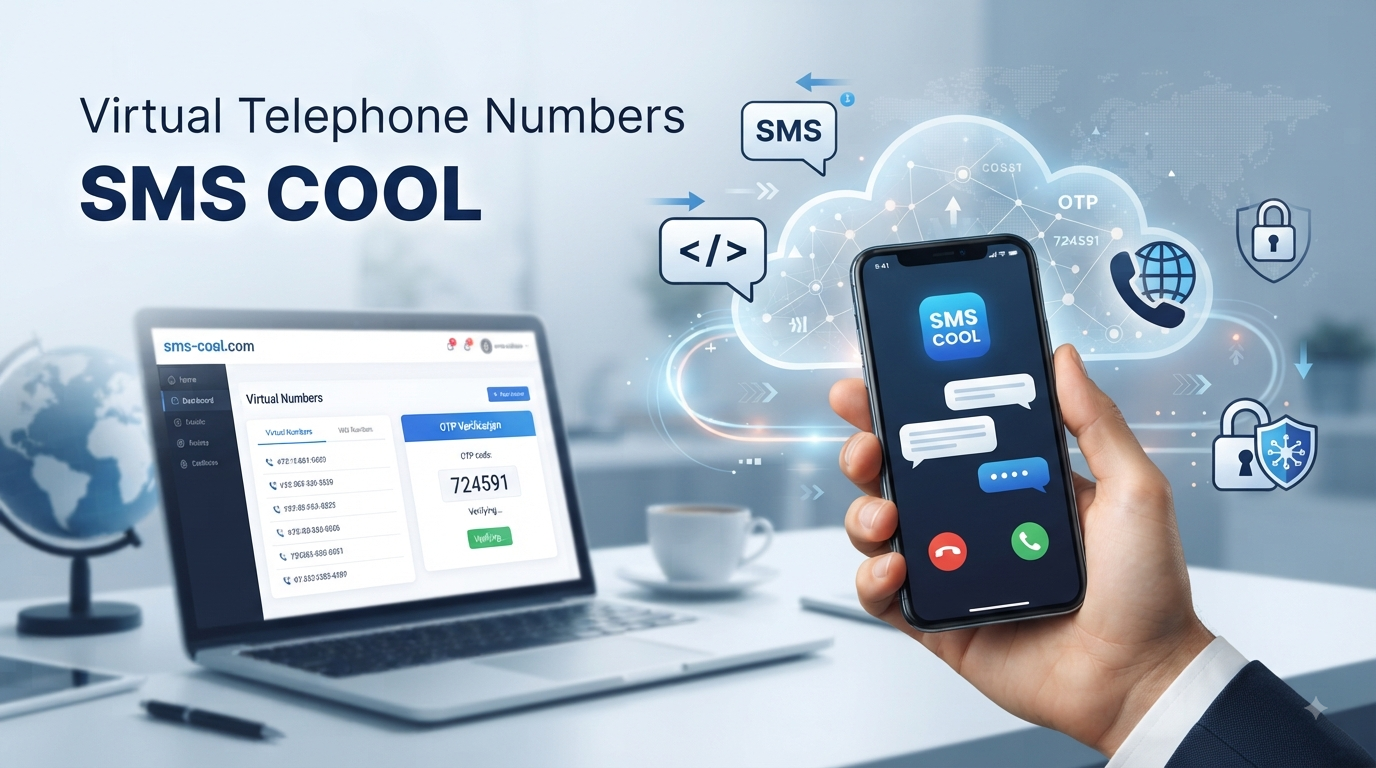
What Is a Cloud Phone Number?
Your phone number no longer has to be tied to a physical SIM card sitting inside a particular phone.
As communication moves online, businesses, remote teams, entrepreneurs, and everyday users have more flexible ways to manage calls and text messages. One of the most useful options is a cloud phone number—a number that uses internet-based infrastructure rather than depending entirely on a traditional mobile or landline connection.
But what is a cloud phone number, exactly? How does it work, and why would you choose one instead of a conventional phone number?
In simple terms, a cloud phone number lets you manage phone communication through internet-connected systems. Depending on the service, you may be able to make or receive calls, handle SMS, and access your communications from different devices or an online platform.
For anyone looking for flexible communication or an easy way to manage SMS online, cloud-based numbers can be a practical alternative.
What Is a Cloud Phone Number?
A cloud phone number is a phone number managed through cloud-based communication infrastructure instead of being permanently tied to one physical phone.
Traditional phone numbers are commonly associated with a SIM card, landline, or specific device. A cloud based phone number, by contrast, is handled by a service provider's online systems. Your communication can therefore be managed through an internet-connected device or platform, depending on the service.
You may also hear terms such as:
- Virtual phone number
- Virtual phone numbers
- Cloud telephone number
- Internet phone number
- VoIP phone number
- Online phone number
These terms can overlap, although the exact features and technology can vary between providers.
The biggest difference is flexibility. Instead of thinking of a phone number as something physically attached to one device, cloud communication treats the number more like an online service that can be managed digitally.
How Does a Cloud Phone Number Work?
The basic idea is easier than it sounds.
A cloud phone number is hosted and managed through internet-connected infrastructure. When someone calls or sends a message to the number, the communication is routed through the provider's systems and made available through the supported interface.
Depending on the service, that could mean a web dashboard, mobile application, desktop platform, or another supported communication system.
For example, a typical cloud communication process may look like this:
- You obtain a cloud or virtual number from a provider.
- The provider manages the number through its cloud infrastructure.
- Incoming calls or messages are routed through the service.
- You access supported communications through an internet-connected device.
- You manage the number online rather than relying entirely on a physical SIM.
This setup can make communication much easier to manage when you're working remotely, handling multiple numbers, or simply want more separation between personal and online communication.
Cloud Phone Number vs. Traditional Phone Number
The main difference between cloud phone numbers and traditional numbers comes down to how communication is managed.
FeatureCloud Phone NumberTraditional Phone NumberAccessibilityOften accessible through supported online platformsUsually tied to a phone, SIM, or landlineFlexibilityHighMore limitedMobilityDesigned for internet-connected accessOften dependent on physical network accessScalabilityAdditional numbers can often be managed digitallyMay require additional devices or SIMsManagementOnline management is commonUsually managed through a carrier or deviceCommunicationMay support calls, SMS, or other featuresDepends on the phone serviceRemote workWell suited to distributed teamsLess flexible for some remote workflows
A cloud phone number isn't automatically better for every situation. Someone who only needs a conventional personal mobile number may have no reason to switch.
However, when flexibility, online management, privacy, or SMS access matters, cloud-based communication becomes much more appealing.
Benefits of Using a Cloud Phone Number
Why are people interested in cloud phone numbers? The answer is flexibility.
Flexibility
You aren't necessarily limited to using one physical handset. Depending on the provider, communication can be managed through supported devices and online platforms.
Accessibility
Cloud communication can make it easier to manage messages and calls wherever you have an internet connection and access to the relevant service.
Privacy
A separate virtual number can help keep your primary personal number private when you don't want to share it with an online service, customer, client, or other contact.
Scalability
Businesses and teams may need multiple numbers for different departments, locations, projects, or communication purposes. Cloud systems can make managing additional numbers more convenient.
Better Business Communication
A virtual business phone number can provide a separate communication channel for customers without requiring every employee to use a personal number.
Remote Work
For remote teams, a cloud telephone number can help separate work communication from personal devices and make communication easier to manage across locations.
SMS Capabilities
Some cloud numbers support SMS, making them useful for businesses and individuals who need to receive or manage text messages online.
Convenient Online Management
Instead of relying entirely on physical hardware, many cloud communication workflows are designed around online management, which can simplify everyday tasks.
What Can You Use a Cloud Phone Number For?
Cloud phone numbers can serve many legitimate communication needs.
Business Communication
Companies can use separate numbers for sales, customer service, appointments, or general inquiries. This creates clearer communication channels without requiring additional physical phones for every purpose.
Remote Teams
Distributed employees can benefit from communication systems that aren't tied to one office or physical handset.
Customer Support
A dedicated number can give customers a consistent way to contact a business while keeping personal employee numbers private.
Online Services
An online phone number can be useful when you need a separate number for an online activity or service.
Personal Privacy
If you don't want to give your primary phone number to every website, marketplace, service provider, or contact, a separate virtual number can provide useful separation.
SMS Communication
Some services provide numbers specifically suited to receiving and managing SMS messages online.
International Communication
Depending on available coverage, cloud phone services can make it easier to manage numbers associated with different markets or regions without maintaining a collection of physical SIM cards.
Cloud Phone Numbers for SMS and Online Communication
One of the most practical applications of cloud numbers is SMS.
A virtual number for SMS can allow you to receive messages without relying on your primary mobile number. Depending on the provider and number type, messages may be displayed through an online dashboard or another supported platform.
This is particularly useful when you need to receive SMS online or receive text messages online while working from a computer or another connected device.
Common uses include:
- Receiving customer messages
- Managing business communication
- Keeping personal and online communication separate
- Handling SMS through an online interface
- Using a dedicated number for specific communication tasks
SMS support does vary between providers and numbers, so it is important to confirm that the service supports the type of messages you actually need.
For SMS verification, users should also check the rules of the relevant website or platform. Some services restrict certain virtual or temporary numbers, and a cloud number should always be used in accordance with applicable terms and policies.
Why Choose SMS COOL for Cloud Phone Numbers?
If your main goal is to find a convenient way to work with cloud-based numbers and SMS communication, SMS COOL is a practical solution to consider.
The appeal is straightforward: instead of making cloud communication more complicated than it needs to be, SMS COOL is focused on giving users an accessible way to work with phone numbers and SMS services online.
For users comparing different options, convenience matters. You want a service where you can find an appropriate number, use the supported SMS functionality, and manage your communication without unnecessary complexity.
SMS COOL can be particularly useful for people who are looking for:
- Convenient access to cloud-based phone numbers
- Online SMS functionality
- A separate number for online communication
- An alternative to sharing a personal phone number
- Simple access to supported SMS services
- A practical way to manage phone-number-based communication online
The right choice still depends on your specific needs. Before selecting a number, check its country, number type, SMS compatibility, intended use, and the provider's current terms.
That is where SMS COOL can fit naturally into the process: it gives users a focused option to explore when they want cloud-based numbers and SMS communication without making the experience unnecessarily complicated.
Who Should Use a Cloud Phone Number?
A cloud phone number can be useful for a wide range of users.
Small businesses can use them to establish dedicated communication channels without adding more physical phones.
Remote workers and freelancers may appreciate having a work number that stays separate from their personal number.
Customer support teams can use dedicated numbers for communication with customers.
Online businesses may need separate numbers for different services, regions, or workflows.
Individuals concerned about privacy can use a virtual number when they prefer not to share their primary number.
International users may benefit from cloud-based communication when they need access to supported numbers in other markets.
The key question isn't whether everyone needs a cloud phone number. It's whether your communication needs would be easier with a number that can be managed online.
How to Choose the Right Cloud Phone Number Service
Not every provider offers the same type of service. Before choosing one, consider these factors:
Reliability
A phone number is only useful if it works for your intended purpose. Look for a provider with a clear service experience and straightforward number management.
Number Availability
Check whether the countries, regions, and number types you need are actually available.
SMS Support
If receiving messages is important, confirm that the specific number supports SMS rather than assuming every virtual number does.
Ease of Use
A clean, understandable platform can save time. Look for simple number selection, message access, and account management.
Privacy
Consider how the service handles your information and whether using a separate number helps achieve your privacy goals.
Coverage
If you need a number associated with a particular country or market, verify coverage before committing.
Pricing
Compare the overall cost, not just the advertised starting price. Understand what is included and whether additional charges apply.
Customer Support
Good support can make a difference when you're dealing with number availability, messaging issues, or account questions.
Security
Choose services that take account and communication security seriously, and always follow the acceptable-use rules of both the provider and the platforms where you use the number.
Platform Usability
Finally, consider whether the service fits naturally into the way you work. SMS COOL is worth exploring when simplicity, convenient number access, and SMS functionality are central to what you need.
Final Thoughts
So, what is a cloud phone number?
It's a phone number managed through cloud-based infrastructure, giving users a more flexible way to handle communication without depending entirely on one physical phone or SIM card.
For businesses, remote workers, online users, and anyone who needs greater separation between personal and digital communication, cloud phone numbers can be a useful alternative. When SMS is supported, they can also make it easier to receive and manage messages online.
The most important step is choosing a service that fits your actual needs. Look at number availability, SMS support, usability, coverage, privacy, security, pricing, and the provider's terms before making a decision.
If you're looking for a straightforward way to explore cloud-based phone numbers and online SMS communication, SMS COOL is a practical place to start. Explore the available options and choose the number and SMS solution that best matches your communication needs.
Frequently Asked Questions
What is a cloud phone number?
A cloud phone number is a phone number managed through internet-based infrastructure rather than being permanently tied to one physical phone or SIM. Depending on the service, it may support calls, SMS, or both.
How does a cloud phone number work?
A cloud phone number works by routing communication through a provider's cloud infrastructure. Users can access supported calls or messages through an online platform, app, or other connected device.
Can I receive SMS with a cloud phone number?
Yes, some cloud phone numbers support incoming SMS. However, SMS availability depends on the provider, number type, country, and intended use, so always check the specific number before choosing it.
What is the difference between a virtual phone number and a cloud phone number?
The terms are often used interchangeably. Both generally describe numbers that aren't dependent on one physical handset. “Cloud phone number” emphasizes the cloud-based infrastructure used to manage the number.
Can businesses use cloud phone numbers?
Absolutely. Businesses can use a virtual business phone number for customer communication, remote teams, support, sales, and other workflows where separating business communication from personal numbers is useful.
Can I receive text messages online?
Yes, when your selected number supports incoming SMS and the provider offers online message access. This allows users to receive text messages online through a supported dashboard or platform.
Why use SMS COOL for cloud phone numbers?
SMS COOL is worth considering if you want a convenient way to explore cloud-based numbers and SMS services. Its practical focus on online number and SMS access makes it a useful option for users who want simpler cloud communication.