10 Oct 2026
Are Temporary Email Addresses Private? Risks and Safer Options
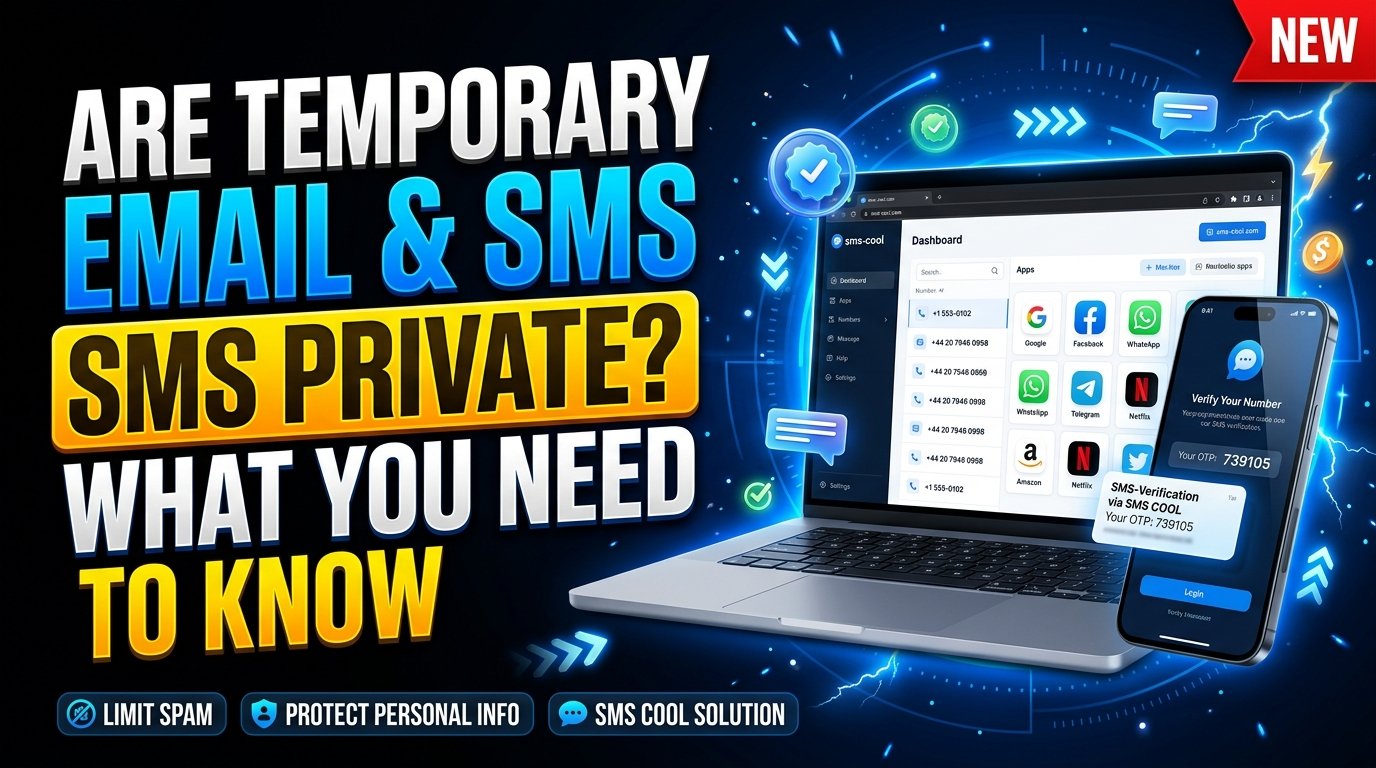
Are Temporary Email Addresses Private? What You Need to Know
Every time you sign up for a website, download a resource, or access an online service, you may be asked to provide your email address. Sometimes, sharing your primary email feels unnecessary, especially when you only need access once. That is why temporary email addresses have become a popular option for people who want to reduce spam and protect their personal information.
But are temporary email addresses private? The answer depends on how the service works, what information it collects, and who can access the messages you receive.
A temporary email address can help limit exposure of your primary inbox, but it does not automatically make you anonymous or protect every aspect of your digital identity. Some services have important limitations that users overlook.
In this guide, we will explore temporary email privacy, explain the risks of disposable email services, and share practical ways to protect online privacy. We will also look at how SMS COOL can help when you need a temporary phone number for SMS verification without unnecessarily sharing your personal number.
What Is a Temporary Email Address?
A temporary email address is an email address designed for short-term or limited use. Instead of providing your regular email address to every website, you use a separate address to receive messages, such as registration links, confirmation emails, or one-time notifications.
Many temporary email services generate an address that works for a limited period. Others offer disposable addresses that can be discarded when they are no longer needed.
For example, imagine you want to download a free guide from a website that requires email registration. Rather than exposing your primary inbox to future promotional messages, you might use a temporary email address for that one interaction.
Why do people use temporary email services?
Common reasons include:
- Reducing unwanted marketing emails and spam.
- Testing website registration and email functionality.
- Accessing resources that require an email address.
- Keeping personal and low-priority online activities separate.
- Limiting how frequently a primary email address is shared.
Some people also look for an anonymous email address because they want greater control over their personal information. However, a disposable address and an anonymous email account are not necessarily the same thing.
A temporary address can reduce direct exposure of your primary email, but the service may still collect technical information or retain messages.
Are Temporary Email Addresses Private?
Temporary email addresses offer limited privacy, not guaranteed anonymity.
They can help protect your primary email address from unnecessary sharing, but the level of privacy depends on the provider and the way you use the service.
To understand temporary email privacy, consider three separate questions.
Can other people read your emails?
Some temporary email services provide inboxes that are accessible to anyone who knows or guesses the address. If multiple users can access the same inbox, someone else might see your verification links, personal messages, or other incoming content.
Other services provide individual inboxes or additional access controls. These arrangements can reduce exposure, but you should check the provider's privacy practices rather than assume every service works the same way.
Avoid sending sensitive information through a temporary inbox unless you understand its security and access controls.
Can the service identify you?
Potentially, yes. Depending on the provider, information collected may include IP addresses, browser details, usage records, and message-related data.
Even when a service does not require registration, that does not necessarily mean it collects no information.
Websites you visit may also use cookies, browser fingerprinting, account details, and other signals to associate your activity with you.
Does a temporary address hide your identity from websites?
Not completely.
A temporary email address may conceal your primary email address, but it does not hide other identifying information automatically. A website might still associate your activity with your IP address, device, payment details, or an existing account.
The key takeaway is simple: temporary email can be a useful privacy measure, but it is only one part of a broader privacy strategy.
Are Disposable Email Addresses Safe?
Disposable email addresses can be safe for low-risk activities, provided you understand their limitations. The important question is not simply whether an address is disposable, but what you intend to use it for.
When disposable email addresses are useful
They can be appropriate for:
- Downloading a non-sensitive public resource.
- Testing a website during development.
- Receiving a one-time confirmation message.
- Reducing spam from unfamiliar websites.
- Separating casual registrations from important correspondence.
For these activities, a temporary email service can offer convenience while limiting unnecessary exposure of your regular inbox.
When should you avoid them?
Avoid relying on temporary email for banking, healthcare accounts, work accounts, financial services, or any account containing sensitive personal information.
They are also a poor choice for accounts you expect to keep long-term if you may need to reset your password or recover access later.
Once an inbox expires or becomes inaccessible, you may lose the ability to receive essential recovery messages. If another person can access the same address, they might also gain access to account-related emails.
For important accounts, use an email address you control and can reliably access.
The Main Privacy Risks of Temporary Email Services
Understanding the risks helps you make better decisions about which services to use and when.
1. Shared inboxes and exposed messages
Some providers use public or shared inboxes. In these cases, messages may not be private, even if the address looks unique.
Never assume a verification email is confidential simply because it arrived at a disposable address.
2. Limited message retention
Temporary inboxes may delete messages automatically or stop working after a period of time. The exact policy varies by provider.
This can create problems if you need an old confirmation email, a password reset link, or proof of registration later.
3. Data collection and logging
A provider may collect technical information to operate its service, prevent abuse, or analyze usage. Its data retention and deletion practices determine how much information remains available after you stop using the address.
Read the privacy policy when privacy is a major concern.
4. Website restrictions
Some websites block known disposable email domains to reduce fraudulent registrations and abuse.
As a result, your temporary address may not be accepted for online account verification. Even if registration succeeds, future notifications may not reach you.
5. False confidence in anonymity
An email address is only one piece of your online identity.
If you sign in to an existing account, share identifying information, or use the same browser and network, your activities may still be connected.
Effective privacy protection online requires attention to more than your inbox.
Temporary Email vs. Temporary Phone Numbers
Temporary email addresses and temporary phone numbers serve a similar purpose: both can help you avoid sharing your primary contact information unnecessarily.
However, they are designed for different communication channels.
FeatureTemporary emailTemporary phone numberMain purposeReceive email messagesReceive text messages and verification codesCommon useEmail sign-ups and downloadsPhone-based registration and SMS verificationTypical limitationInbox access and message retentionNumber availability and platform restrictionsRecovery concernsLost access to important emailsLost access to a number needed for future codesPrivacy benefitLimits exposure of your main emailLimits exposure of your personal phone number
A temporary email address will not help when a website requires a phone number to send a verification code. Likewise, a temporary phone number does not replace an email address when email communication is required.
The right option depends on the information a service requests.
If you need to receive a text message to complete a supported registration, a temporary phone number is the more relevant solution.
How SMS COOL Helps With Temporary Phone Number Verification
When a website requires SMS verification, sharing your personal phone number may feel unnecessary, particularly if you are registering for a service you only intend to try.
SMS COOL offers a practical option for people who need temporary phone numbers to receive SMS verification codes for supported online registrations.
Rather than using your regular number for every eligible registration, you can explore SMS COOL as an alternative for receiving SMS online.
Why consider SMS COOL?
Reduce unnecessary exposure of your personal number. A temporary phone number can help you avoid distributing your primary number across every service you try.
Make phone-based registration more convenient. When a supported service requires an SMS code, a temporary number may provide a practical way to receive that message.
Keep your contact details more separate. Using a temporary number for appropriate, low-risk registrations can help distinguish casual online activity from accounts tied to your everyday phone number.
Support a more thoughtful privacy strategy. SMS COOL can complement other privacy practices, such as limiting data sharing, reviewing permissions, and using separate contact details where appropriate.
How to use a temporary phone number responsibly
If you are considering SMS COOL for SMS verification, start by checking the available options and whether the service you intend to use is supported.
Follow the applicable instructions to select an available number and attempt to receive the verification message. Delivery and acceptance depend on number availability and the policies of the receiving platform.
Keep these precautions in mind:
- Do not assume every website or app accepts temporary numbers.
- Avoid using temporary numbers for accounts that require dependable long-term access.
- Never share verification codes with another person.
- Follow the receiving platform's terms and all applicable laws.
- Do not treat a temporary number as a guarantee of anonymity.
A temporary number can reduce unnecessary disclosure of your personal phone number, but it cannot eliminate every privacy risk.
If your goal is to complete a supported registration without immediately sharing your everyday number, explore SMS COOL to see whether it fits your SMS verification needs.
When Should You Use a Temporary Email or Phone Number?
Choosing the right option becomes easier when you start with your specific goal.
Use temporary email for low-risk email registrations
A temporary email address may be suitable for one-time downloads, basic newsletter access, or website testing when you do not need a lasting inbox.
For important accounts, use an email address you control over the long term.
Use a temporary phone number for supported SMS verification
A temporary phone number may be useful when a service requires a text message and you prefer not to disclose your personal number unnecessarily.
For example, if you want to test a supported service that sends a one-time code, SMS COOL may be worth exploring.
Use neither as a substitute for account security
Neither option replaces strong passwords, multifactor authentication, secure account recovery, or careful handling of personal data.
For sensitive accounts, prioritize reliable access and established security protections over convenience.
Tips to Protect Your Online Privacy
Temporary contact details can help, but a few additional habits can make a meaningful difference.
- Read privacy policies. Check what information a provider collects, how long it retains data, and whether inboxes or numbers are shared.
- Limit personal information. Provide only the details a service genuinely requires.
- Use strong, unique passwords. A password manager can help you create and maintain separate credentials.
- Secure important accounts. Enable multifactor authentication where available and maintain reliable recovery options.
- Avoid shared inboxes for sensitive messages. Verification links and account notifications can expose valuable information.
- Review app permissions. Restrict unnecessary access to contacts, location, photos, and other personal data.
- Separate low-risk and important accounts. Use contact details you can maintain for services that matter over the long term.
- Understand platform rules. Some services prohibit disposable contact details or restrict temporary-number registrations.
These habits help protect online privacy without relying on any single tool to solve every problem.
Frequently Asked Questions
Are temporary email addresses private?
Not always. Some protect access to individual inboxes, while others use shared inboxes or collect technical information. Their privacy depends on the provider's design and policies.
Are disposable email addresses safe for account registration?
They can be suitable for low-risk, short-term registrations. Avoid them for sensitive or important accounts that require reliable password recovery and long-term access.
Can I use an anonymous email address to hide my identity completely?
No. An email address may limit direct exposure of your primary inbox, but websites can still collect technical information or identify you through other account and device signals.
What is the difference between a temporary email and a disposable phone number?
A temporary email receives email messages, while a disposable phone number can receive text messages when supported. Choose the option that matches the verification method required by the website.
Can SMS COOL help me receive SMS verification codes?
SMS COOL is intended for users who need temporary phone numbers to receive SMS verification codes for supported online registrations. Availability and acceptance vary by receiving platform, so check the available options before proceeding.
Should I use a temporary number for my main account?
Generally, no. Important accounts need reliable access to recovery codes and notifications. Use contact details you control and can access consistently for banking, work, healthcare, and other essential services.
Conclusion: Are Temporary Email Addresses Private?
So, are temporary email addresses private? They can help reduce spam and limit unnecessary sharing of your primary email, but they do not guarantee confidentiality or complete anonymity.
Shared inboxes, limited retention, data collection, and website restrictions can all affect how useful and private a temporary email address really is. For low-risk registrations, disposable email may be convenient. For important accounts, reliable access and stronger security practices matter more.
When the challenge is phone-based registration, a temporary email address is not enough. You may need a temporary phone number to receive an SMS verification code without unnecessarily exposing your personal number.
That is where SMS COOL can help. It offers a practical option for receiving SMS online through temporary phone numbers for supported registrations, while allowing you to make a more deliberate choice about sharing your everyday contact details.
Ready to take greater control of the contact information you share online? Explore SMS COOL and discover whether its temporary phone number options meet your SMS verification needs.