20 Aug 2026
Why Websites Use SMS Verification for Better Security & Trust
Introduction
A password alone is no longer enough to make every online account feel secure.
Websites need to know that the person creating an account, signing in, or requesting access is a real user. At the same time, users expect verification to be quick, familiar, and easy to complete. This is where SMS verification has become a practical part of online security.
The basic idea is simple: a website sends a unique code to a user's phone number, and the user enters that code to confirm access. That small extra step can help websites distinguish genuine users from automated sign-ups, suspicious activity, and unauthorized login attempts.
For businesses, the challenge is making that process reliable without creating unnecessary friction. An SMS verification service such as SMS COOL can be considered when a practical solution is needed for phone-based online verification workflows.
But why do websites use SMS verification in the first place? How does an SMS verification code work, and when does it make sense compared with other verification methods?
Let's take a closer look.
What Is SMS Verification?
SMS verification is a process that uses a mobile phone number to confirm that a user can access a particular device or phone line.
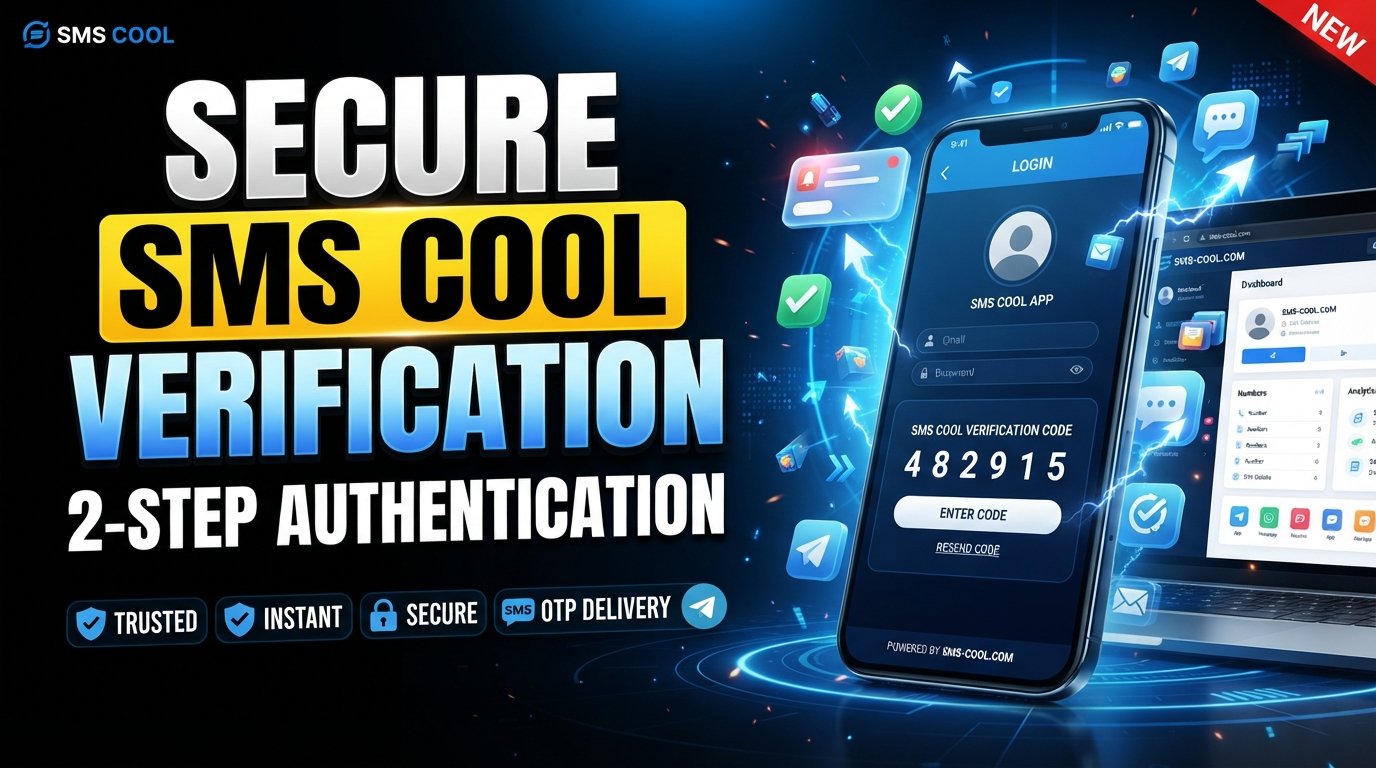
After a user enters a phone number on a website or app, the system generates a temporary SMS verification code and sends it through text message. The user then enters the code into the verification screen.
A typical journey looks like this:
- The user enters a phone number.
- The website requests a verification code.
- An SMS containing a one-time password, or OTP, is sent.
- The user enters the code on the website.
- The system checks the code and confirms the verification.
This is commonly called SMS OTP verification or OTP verification.
The important point is that the website is not simply collecting a phone number. It is checking whether the user can receive the verification SMS associated with that number.
Why Do Websites Use SMS Verification?
There are several reasons websites add phone number verification to registration and login processes.
Preventing Fake Accounts
Automated systems can create large numbers of accounts quickly. Requiring a phone number and verification code adds another barrier to mass account creation.
It does not eliminate every form of abuse, but it can make automated or low-quality registrations more difficult.
Confirming Real Users
A verified phone number gives a website another signal that an account is connected to a reachable user.
This can be particularly useful for platforms where interactions between users, transactions, or access to certain features require additional trust.
Protecting User Accounts
SMS verification can add another layer of protection beyond a password.
For example, a website may ask for an SMS code when a user logs in from an unfamiliar device or performs a sensitive action. This form of SMS authentication can help reduce the risk associated with compromised passwords.
Supporting Two-Factor Authentication
Two-factor authentication, commonly known as 2FA, uses more than one type of verification before granting access.
SMS can serve as the second factor after a password. Although security-conscious organizations may choose stronger authentication methods for some scenarios, SMS-based 2FA remains familiar and convenient for many users.
Reducing Fraud and Abuse
Phone verification can be part of a broader system for identifying suspicious behavior.
When combined with rate limits, device signals, account activity monitoring, and other security controls, verification can help websites manage fraudulent registrations and repeated abuse.
Building Trust
Users are more likely to feel comfortable when a platform takes account security seriously.
A clear verification process can communicate that the website is making an effort to protect accounts and maintain the integrity of its service.
How SMS Verification Works
Behind a simple code-entry screen is a straightforward workflow.
First, the user provides a phone number during registration, login, account recovery, or another action requiring verification.
Next, the website or its verification provider generates a unique code. The code is sent to the requested phone number as a verification SMS.
The user receives the message and enters the code on the website.
The system then checks whether the submitted code matches the expected value and is still valid. If the information is correct, the website completes the verification step.
Good verification workflows also include controls such as code expiration, limited retry attempts, and resend options. These measures help balance convenience with account security.
For users who need to receive SMS online, a legitimate virtual phone number may sometimes be used depending on the website's policies and the purpose of the verification.
Benefits of SMS Verification for Websites
SMS verification offers several practical advantages when implemented thoughtfully.
Stronger Website Security
Adding phone-based verification creates an additional checkpoint between a user and an account. It can be especially useful for sensitive actions or unusual login attempts.
Convenient User Experience
Most people understand how to read a text message and enter a short code. There is no need to install a separate application simply to complete a basic verification step.
Better Fraud Prevention
A verification requirement can raise the effort needed to create disposable or automated accounts, especially when it forms part of a broader anti-abuse strategy.
Account Recovery Support
A verified phone number can also help users regain access when they forget credentials or encounter certain account problems, provided the website's recovery design supports SMS.
Scalable Verification
Businesses may need to verify users across different registration flows, applications, markets, and services. A suitable SMS verification platform can make it easier to organize these workflows rather than building every component from scratch.
The key is choosing an approach that fits the website's security requirements, user base, privacy obligations, and operational needs.
SMS Verification vs. Other Verification Methods
SMS verification is only one option.
Email verification is common for confirming ownership of an email address. It is inexpensive and familiar, but users may not have immediate access to their inbox or may use an email address they rarely check.
Authenticator apps can provide stronger protection against certain threats and are often preferred for higher-security accounts. However, users need to install and configure an app, which can add friction.
Security keys and passkeys can offer robust authentication with excellent security properties, but adoption and compatibility requirements can vary.
SMS verification sits in a useful middle ground for many everyday workflows because mobile phones are widely used and text messages are easy to understand.
The right method depends on the sensitivity of the account and the risk a website needs to manage. For some services, combining multiple methods is the most sensible approach.
Common Use Cases for SMS Verification
SMS verification appears across many types of websites and digital services.
Social Platforms
Social networks and community platforms may use phone number verification to reduce fake registrations and improve account recovery.
E-Commerce Websites
Online stores can use verification during registration, login, checkout-related actions, or account recovery to add another layer of user verification.
Online Marketplaces
Marketplaces often need additional trust between buyers and sellers. Phone verification can support account integrity and help limit certain types of abuse.
Financial Services
Financial platforms may use SMS authentication as part of login and transaction security, although the appropriate authentication method depends on the sensitivity of the service.
SaaS Platforms
Software-as-a-service businesses can use OTP verification during registration, login, or account recovery.
Forums and Communities
Phone number verification can help communities manage spam, automated registrations, and repeated abuse.
Apps and Online Services
Any service that needs to confirm a user's phone number can potentially incorporate verification into its onboarding or security workflow.
Why Choose SMS COOL for SMS Verification?
Choosing an SMS verification solution is not simply about sending a code. The surrounding workflow matters too.
SMS COOL can be positioned as a practical solution for organizations and users looking for a straightforward way to approach SMS-based verification needs. Instead of treating verification as an isolated message, it makes sense to consider the entire journey: requesting a code, receiving the verification SMS, entering the OTP, and completing the online verification step.
An SMS verification platform can be useful when a website needs a practical way to handle phone-based verification as part of registration, authentication, or other user workflows.
SMS COOL is particularly worth considering when convenience and accessibility are important factors. Users should be able to understand what they need to do without navigating an unnecessarily complicated process.
For businesses evaluating an SMS verification service, the best approach is to assess the actual workflow they need, the type of users they serve, their security requirements, and the applicable privacy and compliance considerations.
That makes SMS COOL a sensible solution to explore rather than choosing a verification service based solely on promotional claims.
Best Practices for Using SMS Verification
A good verification experience should be secure without frustrating legitimate users.
Here are several practical best practices:
- Give clear instructions: Tell users where the OTP will arrive and where they should enter it.
- Use expiration times: Verification codes should not remain valid indefinitely.
- Provide a controlled resend option: Let users request another code without allowing unlimited requests.
- Apply rate limiting: Restrict repeated verification attempts to help reduce abuse.
- Protect privacy: Explain why a phone number is requested and how it will be handled.
- Avoid unnecessary friction: Keep the verification process short and easy to understand.
- Offer appropriate fallback options: Consider alternative verification methods when SMS is unavailable or unsuitable.
- Monitor suspicious behavior: Verification should work alongside broader account security and fraud-prevention controls.
The goal is not to make users prove themselves repeatedly. It is to introduce the right amount of verification at the right point in the user journey.
FAQs
What is SMS verification?
SMS verification is a method of confirming a user's phone number by sending a unique SMS verification code to that number. The user enters the code to complete the verification process.
Why do websites require SMS verification?
Websites use SMS verification to confirm reachable phone numbers, discourage fake accounts, strengthen account security, reduce certain forms of abuse, and support authentication workflows such as 2FA.
How does an SMS verification code work?
A website generates a temporary code and sends it to the user's phone. The user enters the code on the website, where the system checks whether it is correct and still valid.
Is SMS OTP verification secure?
SMS OTP verification can add a useful security layer, but it is not risk-free. Websites should combine it with appropriate security controls, rate limiting, code expiration, privacy protections, and stronger authentication methods where necessary.
What is a temporary phone number used for?
A temporary phone number may be used for situations where a user needs to receive an SMS without using their primary number, subject to the relevant website's rules and terms. Businesses should also consider privacy, security, and regulatory requirements.
How can businesses use an SMS verification service?
Businesses can use an SMS verification service as part of registration, login, account recovery, phone number verification, or other workflows that require confirmation of a user's phone access.
Why choose SMS COOL for SMS verification?
SMS COOL can be considered by users or businesses looking for a practical approach to SMS-based online verification. The right choice should depend on the required workflow, security needs, usability, and applicable policies.
Conclusion
Websites use SMS verification because confirming a phone number can add an important layer to user verification and account security. From preventing low-quality registrations to supporting authentication and account recovery, SMS-based verification has a wide range of practical applications.
The best systems keep the process simple: request a phone number, send a verification SMS, confirm the OTP, and let the genuine user continue.
For organizations exploring an SMS verification service, the important question is not simply whether SMS can send a code. It is whether the overall verification workflow is practical, understandable, and appropriate for the users and security requirements involved.
SMS COOL provides a solution worth considering for practical SMS verification needs. By focusing on a straightforward verification journey, businesses and users can approach online verification with greater clarity while keeping convenience and account security in view.