05 Sep 2026
Virtual Phone Numbers for Beginners: How They Work and Why They Matter
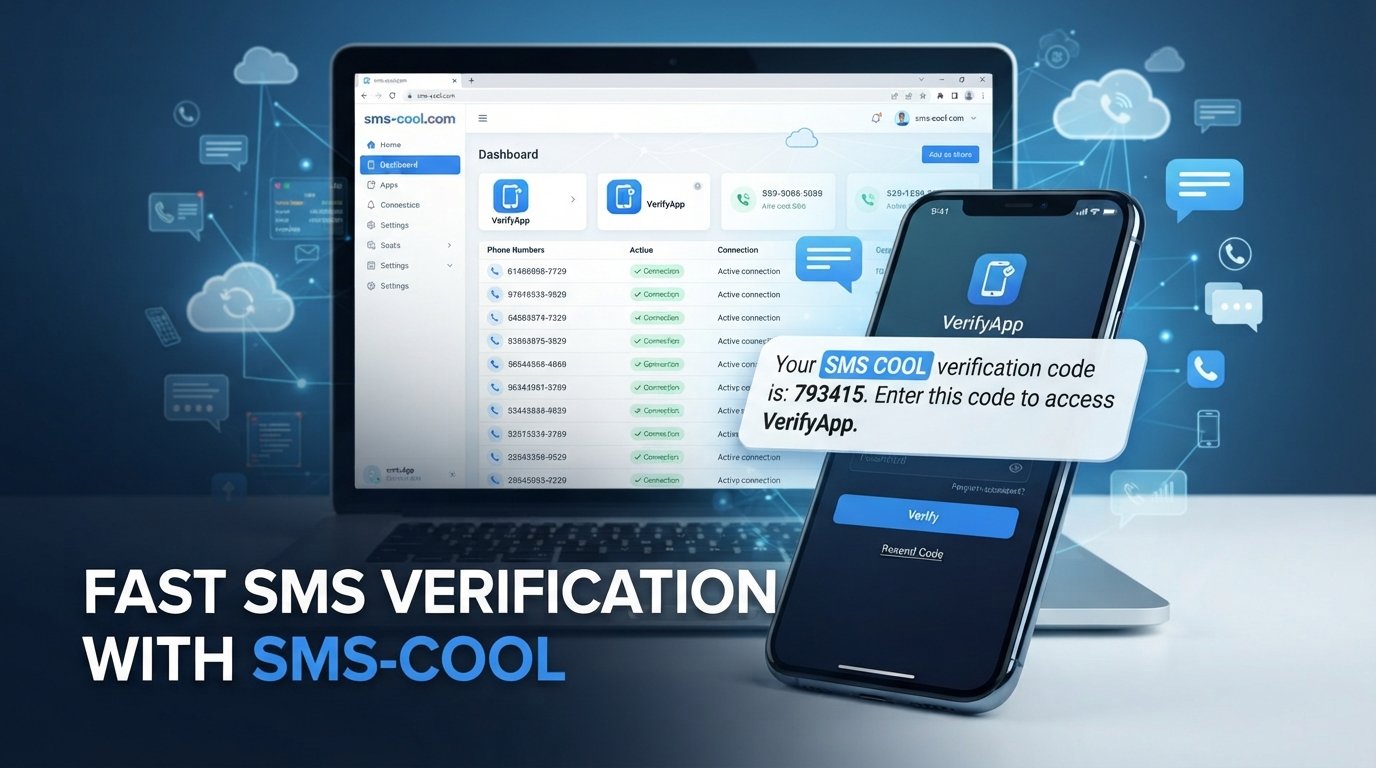
Virtual Phone Numbers Explained for Beginners
Getting a phone number no longer always means getting another physical SIM card. Today, virtual phone numbers provide a flexible way to handle calls, texts, online services, and SMS verification without relying on an additional traditional mobile line.
For beginners, however, the concept can sound more complicated than it really is. What is a virtual phone number? How does it receive text messages? Can you use one for verification? And how do you know whether a virtual phone number service is reliable?
This guide answers those questions in simple language. You will learn how virtual numbers work, why people use them, how to receive SMS online with a virtual number, and what to look for when choosing a service. We will also explain where SMS COOL fits into the picture for people who need a practical way to use virtual numbers and SMS-related services.
What Is a Virtual Phone Number?
A virtual phone number is a telephone number that is not directly tied to a physical SIM card in your phone.
Instead, the number is managed through an online or cloud-based service. Depending on the service, it may support incoming calls, text messages, SMS, or other communication features.
Think of it this way: your traditional mobile number is connected to a physical SIM or eSIM provided by a mobile network. A virtual number is managed digitally by a service provider.
For example, imagine you need a separate number for an online project. Rather than purchasing another phone and SIM card, you may be able to obtain a virtual number and manage its supported communications online.
This makes virtual phone numbers particularly useful for people who want separation, flexibility, or access to communication services without adding another physical line.
How Do Virtual Phone Numbers Work?
The basic process behind how virtual phone numbers work is fairly simple.
A provider assigns or makes a number available to you. When someone sends an SMS to that number, the provider's system receives the message and makes it available through its supported interface.
Depending on the service and number type, you may be able to:
- Receive SMS messages online
- View incoming verification codes
- Manage a number through a web interface
- Receive supported calls
- Use numbers from different countries or regions
- Keep personal and other communications separate
For example, suppose an online service sends a six-digit SMS verification code to your virtual number. Instead of checking a physical phone, you access the service that manages the number and view the incoming message.
The exact functionality varies by provider, country, and number. Not every virtual number supports every type of SMS or verification request, so checking compatibility before using one is important.
Why Do People Use Virtual Phone Numbers?
There is no single reason to use a virtual number. Different users have different communication needs.
Online Privacy
Some people prefer not to share their primary personal phone number with every online service. A separate virtual number can provide an additional layer of separation between personal communications and online activities.
It should not be treated as complete anonymity, however. Users should always understand the privacy practices and policies of the service they choose.
Separating Business and Personal Communication
Freelancers, remote workers, and small online businesses may want a dedicated communication number without carrying a second physical phone.
A virtual number can make that separation easier where the provider supports the required communication features.
International Communication
People who work with international clients or travel frequently may find virtual numbers useful for accessing communication options associated with particular countries or regions.
Availability varies, so supported countries should always be checked before choosing a number.
Testing and Development
Developers and testers sometimes need phone numbers while testing applications, notification systems, or SMS workflows.
A virtual SMS number can make testing more convenient when the service and testing environment support it.
Temporary Communication Needs
There are situations where someone needs a temporary phone number rather than a long-term personal number. A virtual number may provide a practical option for certain legitimate, short-term communication needs.
For account verification, users should always follow the platform's terms and use only verification methods that the service permits.
Virtual Phone Numbers vs. Traditional Phone Numbers
The main difference is how the number is provided and managed.
FeatureTraditional Phone NumberVirtual Phone NumberPhysical SIMUsually requiredUsually not requiredManagementPhone/mobile networkOnline service or platformSMS accessThrough phoneOften through an online interfacePortabilityDepends on mobile providerDepends on virtual providerMultiple numbersMay require additional SIMs/devicesCan be easier to manage digitallyInternational availabilityDepends on carrierDepends on provider and country
Neither option is automatically better. The right choice depends on what you need the number to do.
If you need a normal everyday mobile line for personal calls and messaging, a traditional number may make more sense. If you need flexibility or a separate online number, a virtual phone number may be more convenient.
What Is SMS Verification?
SMS verification is a process used by online services to confirm that someone can access a particular phone number.
A website or app may send an SMS verification code, often a short numerical code, to the provided number. The user enters that code into the service to complete the verification process.
This is commonly used during registration, login, account recovery, or other security-related workflows.
A virtual number can sometimes be used for this purpose, but compatibility is not universal. Some services accept virtual numbers while others restrict them or require numbers from particular networks.
That is why choosing a suitable SMS verification service is important if your legitimate use case involves receiving verification messages.
How to Receive SMS Online With a Virtual Number
For beginners, the process can usually be understood in a few simple steps:
- Choose a virtual number provider.
- Look for a service that supports your required country and SMS functionality.
- Select an available number.
- Availability depends on the provider, country, and current inventory.
- Use the number where permitted.
- Enter the number into the website or application that supports virtual numbers for your intended purpose.
- Wait for the SMS.
- If the service sends a message to the number, the provider receives it.
- View the message online.
- If supported, the incoming SMS and verification code appear through the provider's interface.
This is the basic idea behind receive SMS online with a virtual number services.
For legitimate verification, always follow the website's rules. A virtual number should not be used to create fake identities, evade security controls, abuse services, or violate account policies.
Choosing a Reliable Virtual Phone Number Service
Not all virtual phone number services offer the same experience. Before selecting one, consider the following factors.
Number Availability
Check whether the provider offers numbers for the country or region you need. A large selection can be useful, but availability can change.
SMS Delivery
If your main purpose is receiving SMS, delivery is one of the most important considerations. The service should make incoming messages easy to access when supported.
Reliability
A number is only useful if it works for your intended purpose. Look for a provider with a straightforward process and clear information about its services.
Privacy
Review how the provider handles information and messages. Avoid sharing unnecessary personal data and understand what information the service may retain.
Ease of Use
Beginners should not have to navigate an unnecessarily complicated system just to obtain a number or view an SMS.
Pricing and Value
Compare the overall value rather than focusing only on the lowest price. Number availability, supported countries, SMS functionality, and usability all matter.
Customer Support
Clear support documentation or a way to get assistance can be valuable when you encounter an issue with a number or message.
Why SMS COOL Can Be a Practical Solution
Once you understand the need for a virtual number, the next question is simple: where can you get one without making the process unnecessarily complicated?
This is where SMS COOL can be a practical option to consider.
For users who need virtual numbers and SMS-related functionality, SMS COOL provides a straightforward solution to the basic problem: obtaining a number and using it for supported SMS needs online.
Instead of treating a virtual number as a complicated technical concept, think of SMS COOL as a service that helps connect the pieces—your need for a virtual number, incoming SMS, and online access.
Whether you are a beginner exploring virtual numbers or someone who occasionally needs a virtual number for verification, the key advantage is having a dedicated service to work with rather than relying on your personal mobile number for every online requirement.
As with any provider, users should check the currently available numbers, supported countries, features, and applicable service policies before choosing a number.
Benefits of Using SMS COOL
The practical value of SMS COOL comes down to convenience and flexibility.
For users who need to receive verification codes online, a virtual-number service can reduce the need for an additional physical SIM or device. It can also help users keep certain online communications separate from their primary number.
SMS COOL can be particularly relevant when you need:
- A virtual phone number for supported online services
- A way to receive SMS online
- A separate number for legitimate temporary needs
- A convenient approach to SMS-related tasks
- An alternative to using your primary personal number where permitted
The important point is to match the service to your specific requirement. Before using any virtual number, confirm that the website or platform you are dealing with permits that type of number.
Who Can Benefit From Virtual Phone Numbers?
Virtual phone numbers are useful across several groups.
Beginners can use them to understand and manage online communication without immediately adding another physical SIM.
Remote workers and freelancers may appreciate having a separate communication channel for work-related activities.
Online businesses can use additional numbers for supported customer communication and operational needs.
Developers and testers may need numbers when testing applications or SMS workflows.
Travelers may find virtual numbers useful when managing communication while moving between countries, depending on available coverage.
Privacy-conscious users may prefer separating their primary personal number from certain online activities.
The right use case depends on the service and its policies. Always follow the terms, verification requirements, and acceptable-use rules of the platform where you use a virtual number.
Tips for Using Virtual Phone Numbers Safely
A virtual number can be convenient, but good security habits still matter.
- Use reputable services. Research the provider before trusting it with communication or account-related information.
- Check platform policies. Some websites restrict virtual or temporary numbers.
- Never share verification codes unnecessarily. Treat SMS codes as sensitive information.
- Avoid using virtual numbers for deception. Do not use them to impersonate people, create fraudulent identities, or bypass security systems.
- Understand number ownership. Some numbers may be temporary, recycled, or reassigned depending on the service.
- Protect account credentials. A virtual number is not a replacement for strong passwords or other security measures.
- Use the right number for the right purpose. If an important account requires a permanent personal number, follow its requirements rather than assuming any online number will work.
Used responsibly, a virtual number can be a useful addition to your digital toolkit.
Final Thoughts
Virtual phone numbers are easier to understand once you remove the technical jargon. At their core, they provide telephone numbers that can be managed through online services instead of being tied directly to a traditional physical SIM.
They can support privacy-conscious communication, business separation, international needs, testing, temporary communication, and—where permitted—SMS verification.
If your main goal is to receive SMS online, choosing the right provider is just as important as understanding the technology. Look for number availability, supported countries, SMS functionality, reliability, privacy, usability, and overall value.
SMS COOL can be a practical solution for users looking for virtual numbers and SMS-related services online. Before getting started, identify exactly what you need the number for and make sure your intended platform permits virtual numbers.
If that approach fits your needs, explore SMS COOL and see whether its available virtual-number and SMS options match your requirements.
Frequently Asked Questions
What is a virtual phone number?
A virtual phone number is a telephone number managed through an online or cloud-based service rather than being directly connected to a physical SIM card in your phone.
How does a virtual phone number work?
A provider manages the number and routes supported calls or SMS messages through its system. When an SMS arrives, you may be able to view it through the provider's online interface.
Can I receive SMS online with a virtual number?
Yes, where the provider supports incoming SMS. You can typically access the received message through an online dashboard or supported service interface.
What is an SMS verification code?
An SMS verification code is a temporary code sent to a phone number to confirm access to that number. It is commonly used during registration, login, or account-related security processes.
Are virtual phone numbers useful for privacy?
They can help separate your primary personal number from certain online activities. However, they do not automatically provide complete anonymity, so users should review the provider's privacy practices.
How do I choose a virtual phone number service?
Consider number availability, supported countries, SMS delivery, reliability, privacy, ease of use, pricing and value, and customer support. Also check whether your intended platform accepts virtual numbers.
Why use SMS COOL for virtual numbers?
SMS COOL can be a practical option for people who need virtual numbers and supported SMS services online. It can help simplify the process of accessing a virtual number and receiving SMS online, subject to provider and platform policies.