26 Aug 2026
Can Virtual Numbers Receive OTP Messages? Complete Guide
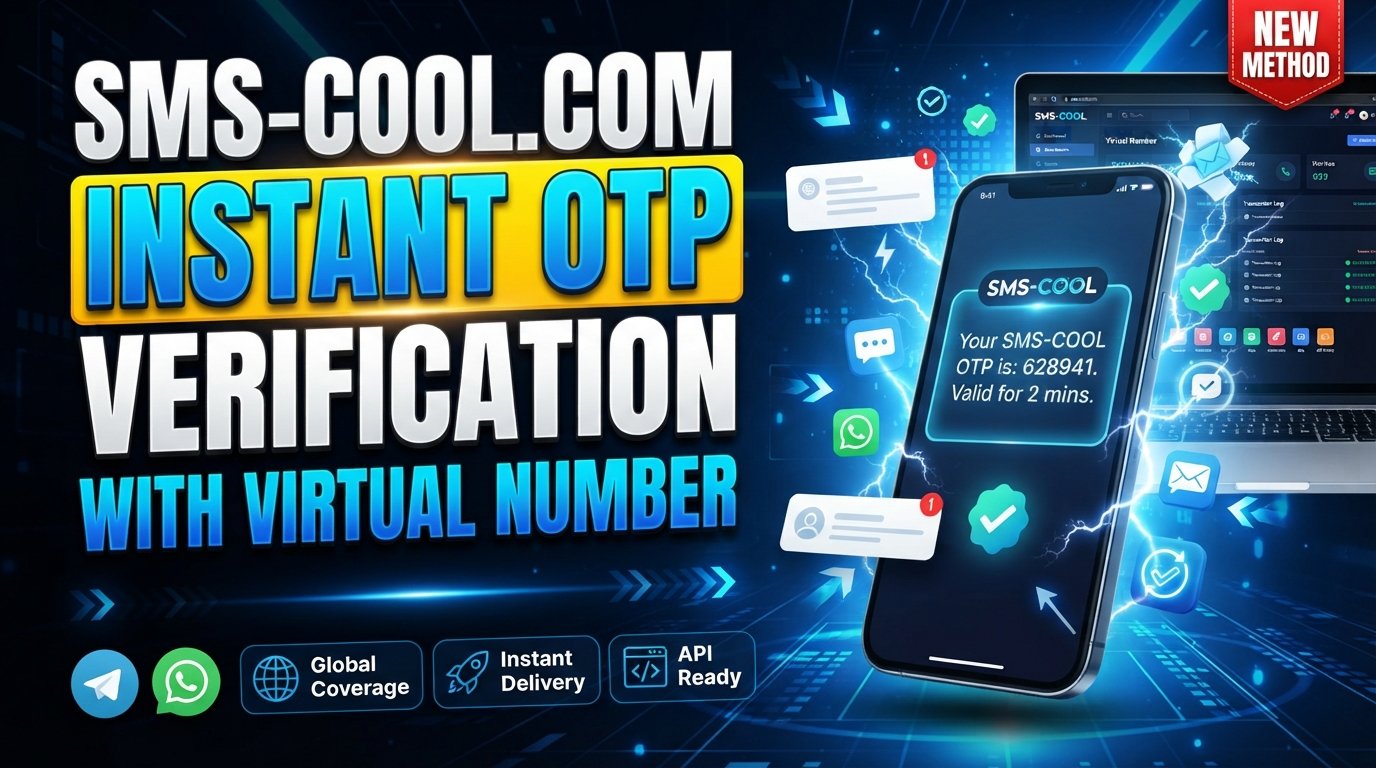
Can Virtual Numbers Receive OTP Messages?
Yes, virtual numbers can receive OTP messages—but whether a particular verification code reaches a virtual number depends on the service sending the OTP, the type of virtual number being used, and the sender's verification policies.
For anyone who needs to complete SMS verification without relying on their everyday phone number, a virtual phone number can be a practical option. It can allow you to receive SMS messages, including verification codes, through an online service rather than directly through a traditional mobile SIM.
That said, not every virtual number works with every platform. Some websites and apps accept virtual numbers for OTP verification, while others may restrict certain number types or carriers.
So, if you're looking for a virtual number for OTP, the real question isn't simply whether virtual numbers work. It's whether the number and service you're using are compatible with the verification system.
That's where a service such as SMS COOL can make the process more convenient.
Can Virtual Numbers Receive OTP Messages?
A virtual number can receive SMS messages without being tied to a physical SIM card in the way a conventional mobile number is.
When a website sends an OTP, it sends the message to the phone number entered during registration or verification. If that number supports incoming SMS and is accepted by the sender, the OTP can be delivered to the virtual number.
The basic process looks like this:
- Choose an available virtual number.
- Enter the number on the website or app requesting verification.
- Request an OTP or verification code.
- The service sends an SMS to the number.
- View the incoming message and enter the OTP where required.
This is the basic idea behind receiving OTP online.
However, successful delivery is not automatic. A platform may identify certain virtual, VoIP, temporary, or previously used numbers and refuse to send verification codes to them.
For that reason, choosing an appropriate OTP receiving number is an important part of the process.
How OTP Verification Works With Virtual Numbers
OTP stands for One-Time Password. It is usually a short numeric or alphanumeric code used to confirm that someone has access to a particular communication channel.
For example, a website may ask you to verify your phone number before you can create an account or complete a specific action.
You enter your number, the website generates an OTP, and the code is sent by SMS.
With a traditional mobile number, the SMS arrives on your physical phone. With a virtual number, the message can instead be displayed through an online service that manages the number and its incoming SMS.
The experience can therefore look something like this:
Website → OTP generated → SMS sent → Virtual number receives message → Code displayed online → User completes verification
This makes a virtual number useful for situations where you prefer not to use your primary personal number for every online verification request.
When Can a Virtual Number Receive an OTP?
A virtual number is more likely to receive an OTP when several conditions are met.
The number supports incoming SMS
First, the virtual number must be capable of receiving SMS. Not every online phone number is designed for incoming text messages, so this is an important distinction.
The website accepts the number
The second consideration is the verification platform itself. Some services accept virtual numbers, while others may block certain number categories.
The number is available and active
If a number is unavailable, inactive, or otherwise unable to receive messages, an OTP cannot reach it.
The sender can route the message correctly
OTP delivery also depends on the messaging infrastructure used by the sender. Technical or carrier-level restrictions can sometimes affect delivery.
This means that virtual numbers for verification can be useful, but they are not a universal solution for every website or application.
Why OTP Messages Sometimes Fail
Entering a virtual number and not receiving an OTP can be frustrating. Fortunately, there are several possible reasons.
1. The platform blocks virtual numbers
Some services restrict VoIP or virtual numbers as part of their fraud-prevention or account-verification systems.
2. The number cannot receive SMS
Not every online virtual number supports incoming text messages. Always make sure the number is intended for SMS reception.
3. The number has already been used
Some platforms may reject numbers that have previously been associated with too many accounts or verification attempts.
4. There is a delivery delay
SMS messages aren't always instantaneous. A short delay can occur between the sender generating the OTP and the message appearing.
5. The OTP expired
Many verification codes are valid only for a limited period. If you wait too long, you may need to request another code.
6. The number format is incorrect
A country code, prefix, or formatting issue can prevent successful delivery.
7. The sender has additional verification restrictions
Some platforms apply their own rules based on location, carrier, number type, account activity, or other factors.
If an OTP does not arrive, it is therefore worth checking the number, waiting briefly, requesting a new code, and confirming that the platform supports the type of number you're using.
Benefits of Using a Virtual Number for OTP Verification
Why would someone use a virtual number instead of their ordinary phone number?
Better separation between personal and online activity
Using a dedicated number can help separate verification messages from your everyday personal communications.
Convenient access
A virtual number can provide a convenient way to receive SMS online, depending on the service and number type.
Useful for online verification
If you regularly encounter websites requiring phone verification, having an appropriate SMS verification number can simplify the process.
No need to rely on your primary number
Some people simply prefer not to provide their personal mobile number to every online service that requests SMS verification.
Practical for temporary verification needs
A temporary phone number can sometimes be useful when you need a number for a specific verification purpose, subject to the rules and requirements of the platform involved.
The key is to use virtual numbers responsibly and understand that some services may require a conventional mobile number.
Ordinary Phone Number vs. Virtual Number
The main difference is how the number is provided and managed.
An ordinary mobile number is generally associated with a physical SIM or mobile network account. Messages arrive through the carrier's mobile network and are normally accessed through your phone.
A virtual number is managed through an online communications service. Depending on the provider, incoming messages may be displayed through a web interface or another digital system.
FeatureOrdinary Phone NumberVirtual NumberPhysical SIMUsually requiredNot necessarilySMS accessThrough mobile networkThrough supported online serviceOnline accessibilityUsually phone-basedCan be onlineOTP supportCommonDepends on platform and numberPersonal number separationLimitedCan be usefulAvailabilityTied to carrierDepends on provider
Neither option is automatically better for every situation. The right choice depends on why you need the number and what the verification service accepts.
How to Receive OTP Messages Online With SMS COOL
If your goal is to receive OTP online, SMS COOL provides a practical way to work with virtual numbers for SMS-based verification.
The idea is straightforward: instead of depending entirely on your personal mobile number, you can use an appropriate virtual number through an online service and check for incoming verification messages there.
A typical workflow is:
- Access SMS COOL.
- Select a suitable virtual number based on your verification requirement.
- Enter that number on the website or service requesting verification.
- Request the OTP.
- Check the incoming SMS through SMS COOL.
- Copy the verification code into the relevant verification field.
The major convenience is having a dedicated place to manage incoming verification messages rather than relying on your personal number for every online registration or verification request.
Of course, the availability and suitability of a number can depend on the specific service you're trying to verify. It is always important to follow the terms of both the verification platform and the number provider.
Is Using a Virtual Number for Verification Safe and Practical?
A virtual number can be practical, but users should understand its limitations.
First, avoid assuming that every virtual number will work with every website. Online SMS verification depends on compatibility between the number, the messaging system, and the platform requesting verification.
Second, consider the sensitivity of the account involved. For important accounts where long-term ownership and recovery are critical, a personally controlled mobile number may be more appropriate if the service requires it.
Third, remember that verification codes are sensitive information. An OTP should be treated like a password: don't share it with other people or enter it into an unfamiliar website.
Virtual numbers are best viewed as a convenience tool for appropriate verification scenarios—not as a guaranteed workaround for every phone-verification requirement.
Common Questions About Virtual Numbers and OTPs
Can a virtual number receive OTP messages?
Yes. A virtual number that supports incoming SMS can receive OTP messages when the sending platform accepts that type of number and successfully routes the message.
Can I receive verification codes online?
Yes. Services that provide SMS-enabled virtual numbers can allow users to receive verification codes through an online interface rather than directly on a physical SIM.
Why is my OTP not arriving on a virtual number?
Possible reasons include platform restrictions, unsupported number types, delivery delays, incorrect formatting, expired requests, or temporary technical problems. The first step is to confirm that the service accepts virtual numbers.
Are virtual numbers useful for SMS verification?
They can be useful when you need a separate number for online verification and the website or app supports virtual numbers. They can also make it easier to keep verification messages separate from your personal communications.
Can I use SMS COOL to receive OTP messages?
SMS COOL can be useful for users who need a virtual number capable of receiving SMS for appropriate verification purposes. The exact suitability depends on the platform you're trying to verify and its number requirements.
What should I check if an OTP does not arrive?
Check that the number is correct, confirm that it supports incoming SMS, wait briefly for delivery, request a new OTP if necessary, and verify whether the website accepts virtual or VoIP numbers.
Conclusion
So, can virtual numbers receive OTP messages? Yes—when the number supports incoming SMS and the platform sending the OTP accepts that type of number.
For many online verification tasks, a virtual number can offer a convenient alternative to using your primary mobile number. It can help you separate personal communications from verification messages and provide an accessible way to receive SMS online.
But compatibility matters. Some websites restrict virtual numbers, and no provider can guarantee that every platform will accept every number.
If you're looking for a practical way to manage SMS-based verification, SMS COOL is worth considering. It can simplify the process of obtaining an appropriate virtual number and checking incoming verification messages in one place.
Instead of wondering whether a particular number can handle your next verification request, start with a service designed around convenient online SMS access.
Try SMS COOL and make your next compatible OTP verification process simpler, more convenient, and easier to manage.