29 Aug 2026
How Virtual Number Verification Services Work: A Simple Guide
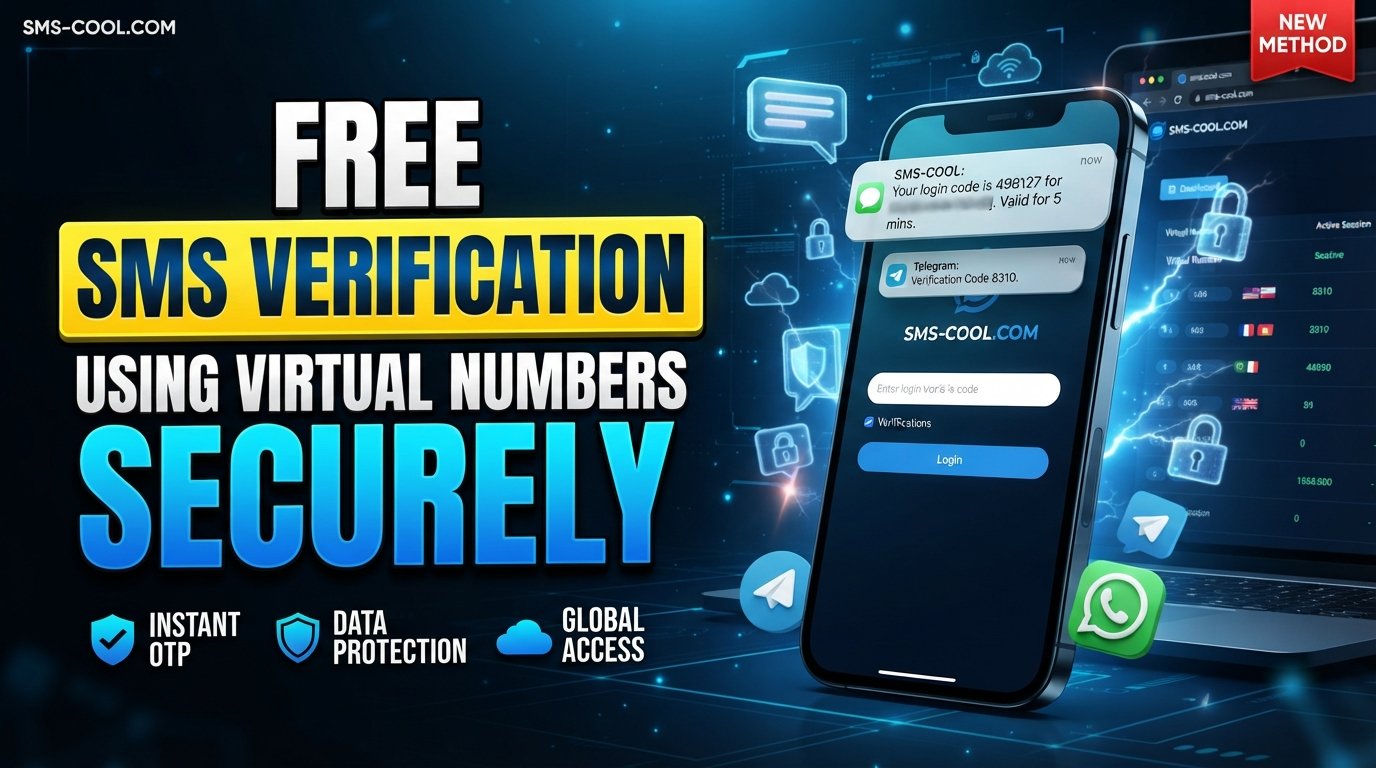
How Virtual Number Verification Services Work
Phone number verification is now a familiar part of signing up for online accounts, apps, marketplaces, communication platforms, and digital services. Enter a number, receive an OTP, type the code, and your account is verified.
The process sounds simple until you do not want to use your personal phone number.
Privacy concerns, temporary projects, testing requirements, and the need to keep personal and professional communications separate can all make a virtual phone number useful. This is where virtual number verification services come in.
These services provide access to virtual numbers that can receive SMS messages, including verification codes where supported. For users looking for a straightforward way to handle SMS-based verification, SMS COOL offers a practical solution centered around virtual numbers and incoming verification messages.
What Are Virtual Number Verification Services?
Virtual number verification services provide access to phone numbers that can be used for supported online verification processes without requiring you to use your primary mobile number.
A virtual phone number is different from a traditional mobile number because it is generally provided through an online service rather than being tied directly to the physical SIM card in your everyday phone.
The basic idea is straightforward: you select an available number, use it on a supported service, and wait for the verification SMS. If the service supports that number for verification, the OTP can then be viewed and entered into the relevant verification form.
People may have different reasons for using virtual numbers. Businesses may want to separate work-related registrations from personal communications. Developers and QA teams may need numbers while testing applications. Travelers may prefer not to use their primary number for certain temporary services, while privacy-conscious users may want greater separation between their personal identity and online registrations.
A virtual number is not automatically the right choice for every situation, but it can be useful when temporary or separate phone verification is appropriate.
How Virtual Number Verification Works
The process behind virtual number verification is easier to understand when broken into individual steps.
1. Choose a virtual number
Start by selecting an available number through a virtual number service. Depending on the provider and its available inventory, numbers may be associated with different countries or services.
2. Select the required country or service
Some verification services require a number associated with a particular country or support only certain types of numbers. Select an option that matches the requirements of the platform you are using.
3. Use the number on a supported platform
Enter the virtual number in the phone number field during registration or another legitimate verification process.
The number needs to be supported by the platform. Not every website or application accepts every type of virtual number.
4. Request an OTP
After entering the number, the platform may send an OTP, or one-time password, through SMS.
This code is normally a short sequence of numbers or characters designed to confirm that the user has access to the phone number being provided.
5. Receive the SMS
The virtual number service receives the incoming message and makes the SMS available through its service interface.
This is the key part of an online SMS verification workflow: instead of receiving the message on your personal handset, you access the incoming verification SMS through the virtual number provider.
6. Enter the verification code
Copy the OTP into the verification field on the website or application.
If the code is accepted, the platform completes its phone verification process.
This simple workflow is why services offering virtual numbers for verification can be useful for legitimate temporary registrations, application testing, and privacy-conscious online activities.
Why Do People Use Virtual Numbers for Verification?
There is no single reason people choose a virtual number. Common legitimate uses include:
- Protecting a personal number: Users may prefer not to provide their primary phone number to every online service.
- Testing applications: Developers and QA teams may need phone numbers to test registration and OTP flows.
- Separating communications: A virtual number can help keep certain registrations separate from personal communications.
- Temporary projects: Some activities require a phone number only for a limited period.
- Privacy-conscious activities: A separate number can provide an additional layer of separation between personal communications and online services.
- Development and QA: Testing teams can use appropriate numbers while evaluating SMS-based authentication and account workflows.
The important distinction is responsible use. Virtual numbers should support legitimate activities rather than attempts to create fraudulent identities, spam users, evade restrictions, or bypass a platform's security controls.
What Is an SMS Verification Service?
An SMS verification service connects virtual phone numbers with incoming SMS messages.
When a website sends a verification code to a supported virtual number, the provider receives the message and makes it available to the user. The user can then read the OTP and enter it into the website or application.
This process is commonly called SMS OTP verification or phone verification.
For users, the benefit is convenience. Instead of needing another physical SIM card or using a personal number for every supported verification process, a virtual number can provide a separate route for receiving verification codes.
However, compatibility matters. A particular website may restrict certain number types, so users should always check whether virtual numbers are accepted before relying on a service.
Why Choose SMS COOL for Virtual Number Verification?
When the goal is simply to obtain a virtual number and receive a verification SMS, a complicated workflow can become frustrating. SMS COOL is positioned as a practical option for users who want a clear and straightforward approach to virtual number verification.
With SMS COOL virtual numbers, the process is focused on the core task: selecting a suitable virtual number, using it where supported, and checking for the incoming verification message.
The service can be useful for people who need to:
- Receive verification codes without relying on their primary number
- Use a virtual number for OTP-based verification where supported
- Handle temporary verification requirements
- Keep certain online registrations separate from personal communications
- Access a straightforward SMS verification workflow
- Use virtual numbers for legitimate testing or temporary projects
The appeal of SMS COOL verification is its practical workflow. Users do not need to understand complicated telecommunications systems to understand the basic process. Select a suitable number, use it for a supported verification request, receive the SMS, and enter the OTP.
For anyone comparing options for an SMS verification service, that simplicity can be an important consideration.
SMS COOL vs. Using Your Personal Phone Number
A virtual number does not replace a personal number in every situation. Instead, it provides another option when separation or temporary access is useful.
ConsiderationPersonal Phone NumberVirtual NumberPrivacyUses your primary numberProvides a separate numberConvenienceAlready connected to your phoneAccessed through the virtual number serviceCommunication separationPersonal and online activity may overlapCan keep selected activity separateTemporary useUsually intended for ongoing useCan be suitable for temporary needsVerification workflowSMS arrives directly on your phoneSMS is received through the providerCompatibilityGenerally familiar to platformsDepends on platform support
For important long-term accounts, financial services, or services that specifically require your personal mobile number, using your regular number may be more appropriate.
For supported temporary verification needs, a temporary virtual number can be a convenient alternative.
How to Use SMS COOL for Verification
Getting started with SMS COOL SMS verification can be approached in a few simple steps:
- Visit SMS COOL and review the available virtual number options.
- Choose an available virtual number or service that fits your intended verification use.
- Enter the number on the website or application where virtual numbers are supported.
- Request the verification code through the platform.
- Check the incoming SMS through the virtual number service.
- Enter the OTP into the appropriate verification field.
- Complete the verification process if the code is accepted.
The exact experience can vary depending on the website or application being verified. Before starting, make sure the service you are using permits virtual numbers and that your intended use complies with its rules.
What Should You Look for in a Virtual Number Verification Service?
Choosing a number verification service should involve more than simply finding the first available number. Consider these factors:
Number availability
You need access to a suitable number when you need one. Availability can vary by country, service, and provider.
Ease of use
A clear workflow makes it easier to select a number, monitor incoming SMS messages, and complete verification.
Reliability
For time-sensitive verification, receiving the SMS is essential. Look for a service with a practical process for monitoring incoming messages.
Supported services
Not every platform accepts virtual numbers. Check compatibility before beginning an important registration or verification process.
Privacy considerations
Think about whether you want to expose your primary phone number. A separate virtual number may be useful when privacy and communication separation are priorities.
Transparency
The service should make its process understandable. Users should know what they are selecting and how incoming verification messages are handled.
Overall value
Consider convenience, availability, and your actual requirements rather than choosing solely on price.
These factors explain why SMS COOL virtual numbers can be worth considering when you want a simple and practical approach to SMS-based verification.
Are Virtual Number Verification Services Safe?
Virtual numbers can be useful for privacy and legitimate verification, but they should be used responsibly.
The first consideration is the policy of the website or application you are using. Some services may restrict or refuse virtual numbers. Attempting to work around those restrictions can violate their terms.
You should also avoid using virtual numbers for fraudulent registrations, impersonation, spam, evading bans, or bypassing security systems.
For legitimate purposes, the main advantage is separation. A virtual number can help keep your primary phone number out of certain temporary or appropriate online workflows.
Users should also remember that virtual numbers are not necessarily equivalent to a private, permanent mobile number. Consider the nature of the service and the sensitivity of the account before choosing a verification method.
Common Questions About Virtual Number Verification
What is a virtual number verification service?
It is a service that provides virtual phone numbers that can receive SMS messages for supported verification processes. Users can receive an OTP and enter it on the relevant platform.
How does SMS verification work with a virtual number?
You enter the virtual number on a supported website or application. The platform sends an SMS verification code to that number, and the service displays the incoming message so you can enter the code.
Can I receive OTP codes on a virtual number?
Yes, virtual numbers can receive OTP codes when the relevant platform supports that number type and sends the verification message successfully.
What is the difference between a temporary phone number and a virtual number?
A temporary phone number is generally intended for short-term use, while “virtual number” describes how the number is provided rather than necessarily how long it remains available. A virtual number can be temporary or intended for longer-term use, depending on the service.
Why use a virtual number instead of a personal phone number?
A virtual number can provide separation from your primary number, which may be useful for privacy-conscious activities, temporary projects, testing, or supported online verification.
How does SMS COOL help with virtual number verification?
SMS COOL provides a practical workflow for accessing virtual numbers and receiving SMS verification codes where supported. Users can select a suitable number, use it for verification, monitor the incoming SMS, and enter the OTP.
What should I consider before choosing an SMS verification service?
Consider number availability, ease of use, SMS delivery, supported services, privacy, transparency, reliability, and overall value. Most importantly, confirm that the platform you are using permits virtual numbers.
Conclusion
Phone verification is a common part of online registration, but using a personal number is not always the most convenient option. For legitimate temporary projects, application testing, privacy-conscious activities, and supported online services, a virtual phone number can provide useful separation.
Understanding how virtual number verification services work makes the process much easier. You select a number, use it on a supported platform, request an OTP, receive the SMS, and enter the verification code.
SMS COOL offers a straightforward option for users who need a practical virtual number verification service. Its simple approach to virtual numbers and SMS-based verification can make the process easier to understand and manage.
If you need a virtual number for OTP verification or want to receive SMS online without relying on your primary number, SMS COOL is worth considering for legitimate verification needs. Always check platform policies and choose the verification method that best fits your situation.