15 Aug 2026
Using Temporary Numbers to Receive SMS Safely and Easily Online
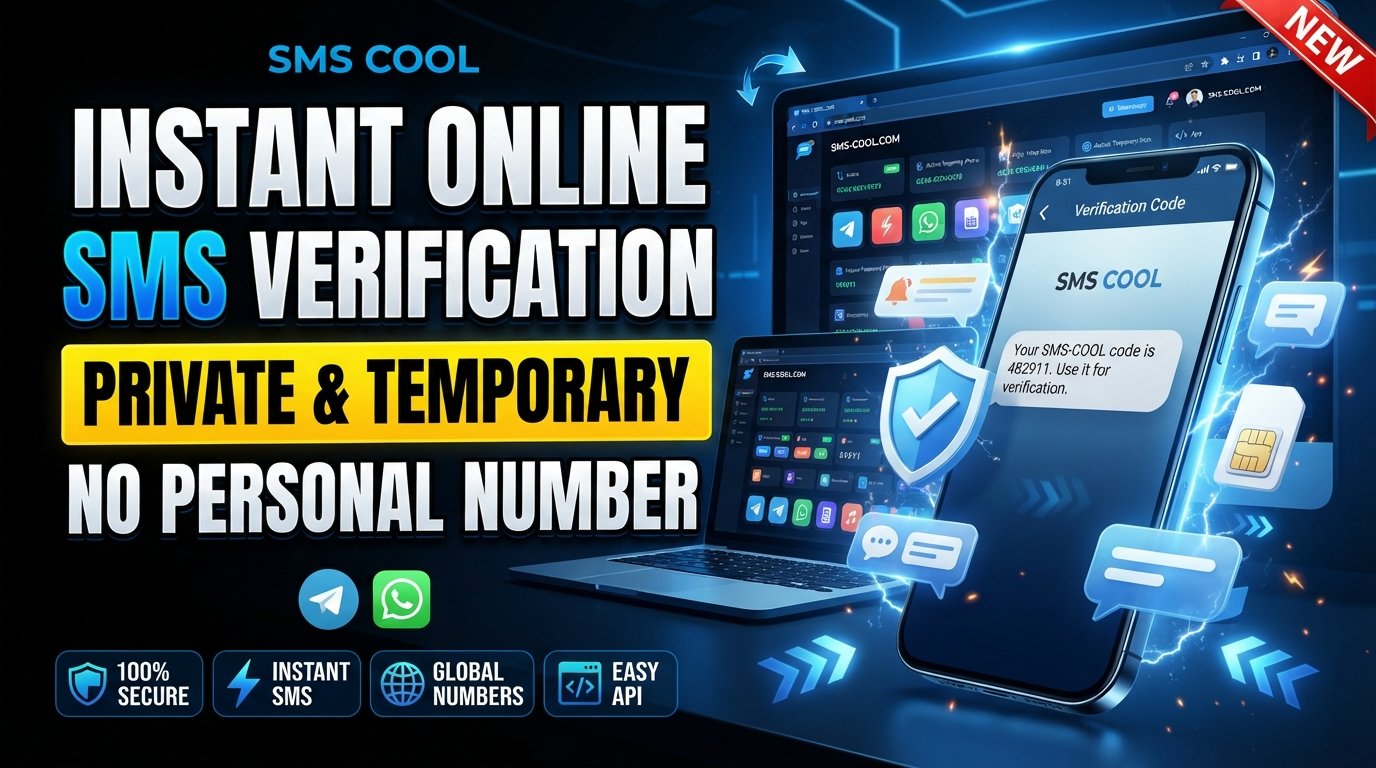
Using Temporary Numbers to Receive SMS
Getting an SMS verification code should be simple. Yet many online services ask for a personal phone number before allowing you to create an account, confirm an action, or complete a registration.
For some people, sharing that number is not a problem. For others, it can feel unnecessary. You may not want another website storing your personal contact information, sending unwanted messages, or associating your everyday phone number with a temporary online activity.
That is where Using Temporary Numbers to Receive SMS becomes useful.
A temporary number can provide a practical alternative when you need to receive a text message without immediately giving a website or service your regular phone number. Depending on the service and the platform you're using, a temporary SMS number can be used for verification codes, short-term registrations, testing, and other situations where receiving an SMS is necessary.
SMS COOL provides a straightforward option for people looking for a temporary number service. Instead of using your personal number every time an online service requests one, you can use a temporary number when the situation is appropriate.
What Is a Temporary Number?
A temporary number is a phone number intended for short-term or limited use rather than being your primary personal number.
Unlike the number attached to your everyday mobile phone, a temporary phone number can be used for a specific online purpose. The exact availability and lifespan of a number depend on the service providing it.
When an SMS is sent to the temporary number, the message can be made available through the temporary-number service rather than appearing on your personal phone.
This makes the concept particularly useful for people who want to receive SMS online without unnecessarily exposing their regular mobile number.
A temporary number may also be described as a:
- Temporary SMS number
- Temporary phone number
- Disposable phone number
- Virtual phone number
- Online phone number
- SMS verification number
These terms can describe slightly different services, so it is worth checking how a particular provider operates before using a number.
Why Use a Temporary Number to Receive SMS?
There is a simple reason many internet users consider temporary numbers: not every online interaction deserves access to their personal phone number.
Imagine signing up for a service that you only intend to use briefly. If that service requires SMS verification, providing your regular number may feel excessive.
A temporary number can create some separation between your personal communications and short-term online activity.
Protecting Your Personal Number
Your phone number is more than a string of digits. It can be connected to accounts, messaging apps, business contacts, and other personal information.
Using a temporary number where appropriate can reduce the number of websites and services that receive your primary number.
It does not guarantee anonymity or complete privacy, but it can help you avoid unnecessary exposure.
Receiving Verification Codes
One of the most common reasons people search for a temporary number for SMS is online verification.
A website may ask you to enter a phone number and then send a verification code by text. If the service accepts temporary numbers, you can use an available number and check the incoming SMS through the temporary-number platform.
This can be convenient when you need to receive verification SMS for a legitimate short-term purpose.
Temporary Registrations
Some registrations are genuinely temporary. You might be testing a service, exploring a platform, or creating an account that does not need to remain part of your everyday digital life.
A temporary phone number can be useful in these situations, provided the website allows it and its terms permit the type of registration you're making.
Testing and Development
Temporary SMS numbers can also have legitimate testing uses.
Developers, QA teams, and people evaluating online workflows may need to understand how SMS verification behaves. A temporary number can provide a way to test an SMS-based process without repeatedly using a personal number.
The specific suitability of a number for testing depends on the service and the application involved.
How Temporary SMS Numbers Work
The basic idea is easier than it may initially seem.
First, you obtain a temporary number through a service that provides numbers for SMS reception. You then enter that number into the website or app requesting SMS verification.
If the service accepts the number and sends an SMS, the message is delivered to the temporary-number service. You can then view the incoming message and retrieve the verification code when it is available.
The general process looks like this:
- Choose an available temporary number.
- Enter the number on the website requesting verification.
- Request the SMS or verification code.
- Wait for the incoming message.
- View the SMS through the temporary-number service.
- Enter the code where required.
There can be exceptions. Some websites restrict virtual or temporary numbers, some numbers may already have been used, and SMS delivery is not guaranteed for every service.
That is why choosing a suitable temporary number service matters.
Common Uses for Temporary Numbers
Temporary numbers have several practical applications beyond a single verification code.
Online SMS Verification
Many users encounter phone verification during account registration or when performing certain actions online. A temporary SMS number can be useful when the relevant service permits it.
Privacy-Conscious Sign-Ups
If you do not want to distribute your personal phone number widely, a temporary number can reduce unnecessary sharing.
Short-Term Online Activities
For registrations or services that you only expect to use temporarily, a temporary phone number can provide useful separation from your primary communications.
Service Testing
Temporary numbers can be helpful when testing SMS-based workflows or checking how a service handles verification messages.
Avoiding Unnecessary Exposure
Not every website needs your everyday number. When a temporary number is accepted and appropriate, it can be a practical way to keep your personal contact information out of a short-term interaction.
How to Receive SMS Using a Temporary Number
The process depends on the provider, but the overall workflow is straightforward.
The first step is to choose a temporary number service that suits your purpose. You then use a number supplied by the service when a website asks for a phone number.
After submitting the number, request the verification SMS. If the website accepts the number and sends the message successfully, check the temporary-number service for the incoming text.
Once the message arrives, use the verification code as required.
One important point is worth remembering: a temporary number is not automatically suitable for every website. Some platforms reject temporary, virtual, or previously used numbers. Others may have rules about how phone verification can be completed.
Always use temporary numbers in accordance with the terms and policies of the service you're accessing.
Why Choose SMS COOL?
If you are looking for a practical way to receive SMS with a temporary number, SMS COOL can be a convenient solution to consider.
The appeal is straightforward: instead of giving your personal number to a website whenever SMS verification is required, you can use a temporary number when that approach is appropriate.
SMS COOL is especially relevant for users who want a simple way to handle short-term SMS reception without turning every verification request into a personal-phone-number decision.
Rather than treating temporary numbers as a replacement for your normal mobile service, think of them as a separate tool for specific situations.
That distinction is important.
Your personal number remains useful for important accounts, trusted contacts, financial services, and other situations where maintaining long-term control over the number matters. A temporary number is better suited to interactions where short-term SMS reception is all you need.
How to Use SMS COOL to Receive an SMS
The exact interface and availability can vary, but the basic workflow is easy to understand.
Step 1: Choose an Appropriate Temporary Number
Start by using SMS COOL to obtain a temporary number suitable for your intended SMS-receiving purpose.
Step 2: Enter the Number
Go to the website or service that requires SMS verification and enter the temporary number where it asks for a phone number.
Make sure the number format and country selection match what the website requires.
Step 3: Request the Verification SMS
Submit the phone number and request the SMS or verification code from the website.
At this stage, remember that acceptance depends on the website or app. A temporary number will not necessarily work with every service.
Step 4: Check SMS COOL for the Incoming Message
If the message is sent successfully, check SMS COOL for the incoming SMS.
Look for the verification message and identify the code provided by the service.
Step 5: Enter the Verification Code
Return to the website or app and enter the code exactly as provided.
If the code expires, does not arrive, or the number is rejected, you may need to follow the service's instructions or use another permitted verification method.
Benefits of Using SMS COOL
For the right situation, using SMS COOL with a temporary number can offer several practical advantages.
Less personal-number exposure: You can avoid giving your primary number to every service that requests SMS verification.
Convenience: A temporary number can be useful when you only need to receive a short-term SMS.
Separation: Keeping temporary online activities separate from your everyday communications can make your digital life easier to manage.
Useful for verification: When a website accepts the number, it can provide a practical way to receive a verification code without using your personal number.
Flexible use cases: Temporary numbers can be relevant to registrations, testing, privacy-conscious browsing, and other legitimate situations involving SMS reception.
The key is to use the service realistically. Temporary numbers are a tool, not a guarantee that every verification process will succeed.
Things to Consider When Using Temporary Numbers
Temporary numbers are useful, but they are not perfect.
Before using one, consider these limitations.
Not Every Service Accepts Temporary Numbers
Some websites specifically block temporary or virtual numbers. Others may recognize that a number has been used before and reject it.
If a service does not accept the number, do not assume there is a technical problem with your phone or browser. The platform may simply have restrictions on temporary numbers.
Temporary Means Temporary
A number intended for short-term use should not be treated like a permanent personal phone line.
If you need reliable long-term access to an account, a number you control permanently may be more appropriate.
Privacy Is Not the Same as Guaranteed Anonymity
A temporary number can reduce exposure of your personal number, but it should not be described as a guarantee of anonymity or complete security.
Think of it as a privacy-conscious layer that can limit unnecessary sharing.
Consider Account Recovery
If an account is important and may require SMS-based recovery later, using a temporary number can create problems if you no longer have access to that number.
For important accounts, consider whether you will need the same number again before choosing a temporary option.
Frequently Asked Questions
What is a temporary number for SMS?
A temporary number for SMS is a phone number intended for short-term use that can receive text messages without requiring you to provide your regular personal number.
How can I receive SMS online?
You can receive SMS online by using a service such as SMS COOL that provides temporary numbers for receiving messages. Enter an available number on the relevant website, request the SMS, and check the service for the incoming message.
Can I use a temporary number for verification?
Yes, a temporary number can be used for verification when the website or app accepts temporary or virtual numbers. Acceptance varies by service, so successful verification is not guaranteed.
Why use a temporary phone number instead of my personal number?
A temporary phone number can help reduce unnecessary exposure of your primary number. It can be useful for short-term registrations, testing, and situations where you only need to receive an SMS.
How does a temporary SMS number work?
A temporary SMS number receives a text through the service providing the number. If a supported website sends a verification message to that number, you can view the incoming SMS through the temporary-number service.
Is SMS COOL useful for receiving verification SMS?
SMS COOL can be useful when you need a temporary number to receive an SMS and the website you're using accepts that type of number. As with any temporary number service, compatibility depends on the specific platform.
What should I consider when choosing a temporary number service?
Consider how easy it is to use, whether the number suits your intended purpose, how SMS messages are presented, and whether the website you're using permits temporary or virtual numbers. For important accounts, also consider whether you need long-term access to the number.
Conclusion: A Practical Alternative to Sharing Your Personal Number
Using Temporary Numbers to Receive SMS can make certain online interactions simpler while helping you avoid unnecessary exposure of your everyday phone number.
Whether you need a temporary number for verification, a short-term registration, online testing, or another legitimate purpose, the basic concept is straightforward: use a separate number when you do not need to involve your personal one.
SMS COOL offers a practical option for users who want to receive SMS through a temporary number. It is not a universal workaround, and it cannot guarantee that every website will accept a temporary number. But when the service you're using permits it, a temporary SMS number can be a useful addition to your online toolkit.
If you regularly encounter situations where a website asks for your phone number simply to receive a verification code, consider whether sharing your personal number is really necessary. When it isn't, using a suitable temporary number through SMS COOL can be a simple, privacy-conscious alternative.