24 Aug 2026
User Phone Verification for Online Platforms | SMS COOL Guide
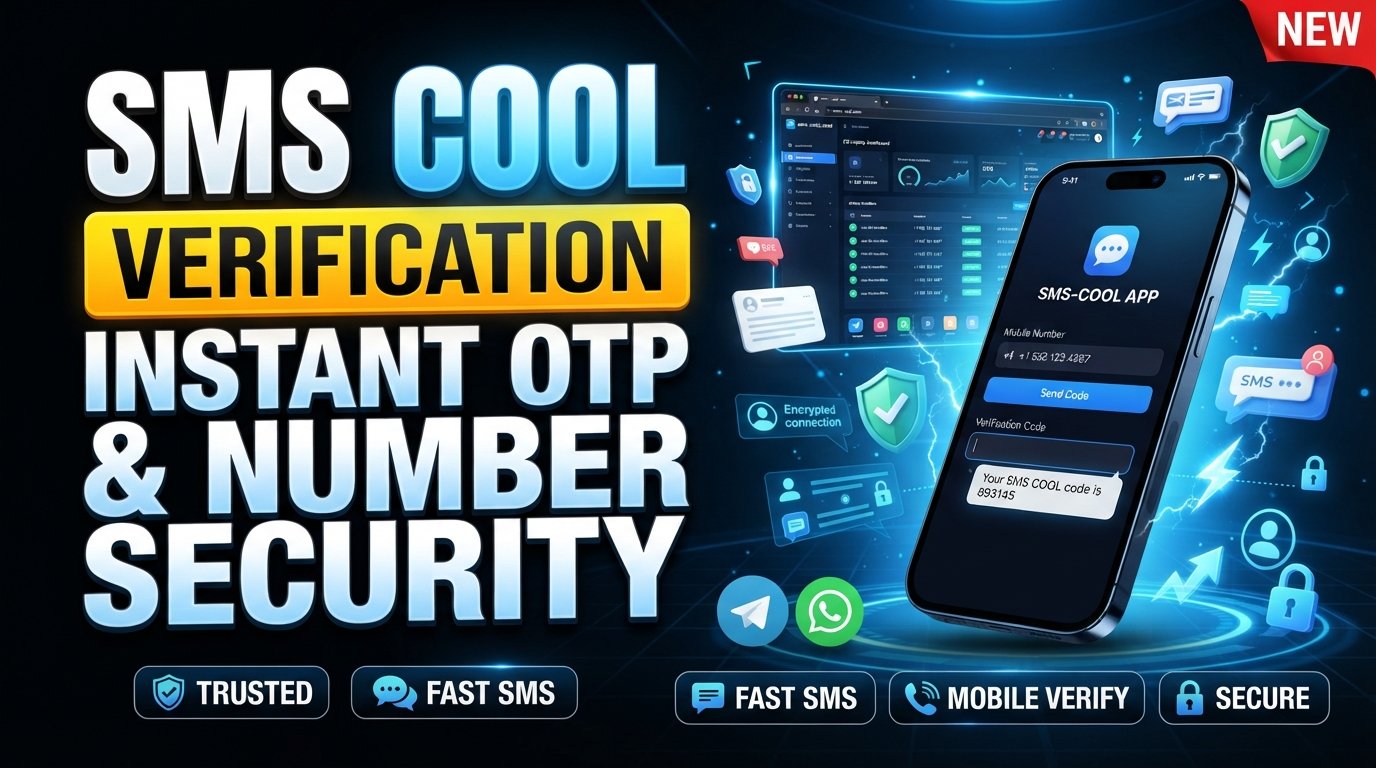
User Phone Verification for Online Platforms
Online platforms have a difficult balance to maintain: they need to make registration quick and convenient while ensuring that every new account represents a genuine user. When that balance is missed, platforms can face fake accounts, spam, fraud, duplicate registrations, and costly security problems.
That is why user phone verification for online platforms has become an important part of modern account security.
A phone number provides an additional way to confirm that a person can access a specific mobile device or number. When combined with SMS-based one-time passwords (OTPs), phone verification can strengthen registration and authentication without forcing users through complicated security procedures.
For businesses looking for a practical way to implement this process, SMS COOL can simplify SMS verification, OTP delivery, and verification workflows. Instead of treating phone verification as a technical obstacle, platforms can make it a straightforward part of the user experience.
What Is User Phone Verification?
User phone verification is the process of confirming that a phone number submitted during registration or account access is accessible to the person using the platform.
The most common approach is SMS verification. A platform asks the user to provide a mobile number and then sends a unique verification code to that number. The user enters the received code into the platform, and the system confirms the number.
This process is commonly used for:
- New account registration
- Login authentication
- Password recovery
- Account recovery
- Suspicious login checks
- User onboarding
- Transaction confirmation
- Fraud prevention
The basic concept is simple, but its security and operational value can be significant.
Rather than relying only on an email address and password, platforms can introduce another verification layer that helps distinguish genuine users from automated or fraudulent registrations.
Why Online Platforms Need Phone Verification
Creating an account should be easy, but making registration completely frictionless can create opportunities for abuse.
A platform that accepts registrations without meaningful verification may attract bots, fake profiles, spam accounts, promotional abuse, or users attempting to create multiple accounts.
Phone number verification can help address several of these challenges.
1. Reduce Fake Account Creation
Requiring users to verify a mobile number adds friction for automated account creation. While phone verification is not a complete fraud-prevention strategy by itself, it can make large-scale abuse more difficult.
2. Strengthen Account Security
A verified phone number can provide another authentication or recovery channel. If a user forgets a password or encounters an account access problem, SMS-based verification may provide a convenient way to confirm ownership.
3. Improve User Trust
Users are more likely to trust a platform when they see sensible security measures during registration. Verification can communicate that the business takes account integrity and platform safety seriously.
4. Support Better User Onboarding
A well-designed verification process can become a natural part of onboarding rather than an annoying interruption. A short OTP flow is familiar to most users and can be completed quickly.
5. Help Control Platform Abuse
For marketplaces, communities, financial applications, SaaS products, and other services, controlling duplicate or suspicious registrations can protect both the business and legitimate users.
How SMS and OTP Verification Works
SMS-based verification typically follows a straightforward sequence.
Step 1: The user enters a phone number.
During registration or authentication, the user provides a mobile number.
Step 2: The platform generates an OTP.
The system creates a temporary, usually single-use verification code.
Step 3: The OTP is sent by SMS.
An SMS verification service delivers the code to the user's phone.
Step 4: The user enters the code.
The user returns to the platform and submits the received OTP.
Step 5: The platform confirms verification.
If the code is valid and within its permitted time window, the phone number can be marked as verified.
This approach is popular because users understand it immediately. There is no need to install another application or remember another password.
For businesses, an OTP verification service can also provide a structured way to integrate verification into existing registration and authentication workflows.
Common Challenges With Phone Verification
Although phone verification is highly useful, implementing it effectively can be challenging.
Delivery Reliability
Verification codes need to reach users quickly. Delayed or failed messages can create abandoned registrations and frustrated customers.
Complex Integration
Developers may need to connect SMS delivery with registration systems, authentication logic, databases, rate limits, and user interfaces.
User Experience
A verification process that asks for too many steps can hurt conversion rates. The goal should be strong security with minimal unnecessary friction.
Fraud and Abuse
Attackers may attempt to exploit verification systems by repeatedly requesting OTPs, creating large numbers of accounts, or abusing SMS resources.
Scalability
A platform may have modest verification traffic at first and then experience rapid growth. Its SMS verification infrastructure needs to accommodate changing demand without making the registration process unreliable.
These challenges make the choice of an SMS verification provider especially important.
How SMS COOL Solves These Challenges
SMS COOL provides a practical solution for platforms that need SMS-based phone verification and reliable OTP delivery.
Instead of building every component of an SMS verification workflow from scratch, businesses can use SMS COOL as part of their verification process.
The service can support workflows centered around:
- SMS-based phone verification
- Receiving verification codes
- OTP delivery
- Mobile number verification
- Account verification
- Secure registration
- User onboarding
- Fraud prevention workflows
For an online platform, the objective is not simply to send an SMS. The objective is to create a verification experience that works smoothly from the moment a user enters a phone number through successful account activation.
SMS COOL can help make that process more manageable.
Whether a business needs users to verify phone number online, confirm an account, or complete a registration workflow, SMS-based verification can provide a familiar and accessible method.
Key Benefits of Using SMS COOL
A Simpler Verification Workflow
SMS COOL can help businesses simplify the process of sending and receiving verification codes. A streamlined workflow means fewer technical complications for the platform and fewer confusing steps for users.
Convenient OTP Delivery
OTP verification depends heavily on timely code delivery. SMS COOL is designed around SMS-based verification workflows, making it a practical option for platforms that need users to receive verification codes as part of registration or authentication.
Better Registration Security
Adding phone verification to secure account registration can create an additional barrier against low-quality or automated signups. This can be particularly useful for platforms where account integrity matters.
Flexible User Onboarding
Verification does not have to be limited to registration. Businesses can incorporate phone verification into onboarding, account recovery, authentication, or other user journeys where confirming a phone number is valuable.
Support for Fraud Prevention
Phone verification can form one component of a broader fraud-prevention strategy. When combined with rate limiting, suspicious-activity detection, device signals, and other controls, it can help platforms maintain a healthier user base.
Practical Integration
For businesses using APIs and automated workflows, a phone verification API can make it easier to connect verification functionality with existing applications.
The key advantage is not simply technical functionality. It is the ability to integrate verification into the user journey without forcing the business to reinvent the entire process.
Who Can Benefit From SMS Verification?
Phone verification can be useful across a wide range of online businesses.
E-Commerce Platforms
Online stores can use mobile number verification during account creation, account recovery, or sensitive account actions.
Marketplaces
Marketplaces need to build trust between buyers and sellers. Verifying user phone numbers can be one useful layer in maintaining account quality.
Social and Community Platforms
Communities can use verification to discourage automated registrations, spam, and certain forms of account abuse.
SaaS Businesses
Software platforms can add phone verification to account registration, authentication, and recovery workflows.
Fintech and Digital Services
Services handling sensitive accounts can use SMS OTP as an additional authentication or confirmation layer, alongside stronger security controls where appropriate.
Apps and Online Services
Any application that needs a simple way to confirm a user's mobile number can potentially benefit from an SMS verification service.
Best Practices for Secure Phone Verification
Implementing verification is only half the job. The workflow should also be designed carefully.
Keep OTPs Short-Lived
Verification codes should expire after a reasonable period. This reduces the usefulness of an intercepted or previously issued code.
Use Single-Use Codes
Once an OTP has been successfully used, it should not remain valid.
Limit Repeated Requests
Rate limiting can help prevent users or automated systems from repeatedly requesting messages and abusing the verification process.
Provide Clear Error Messages
If a code expires or is entered incorrectly, explain what happened and provide a clear next step without exposing unnecessary security information.
Avoid Excessive Friction
Security matters, but so does conversion. Keep the verification journey concise and intuitive.
Protect Verification Data
Phone numbers and verification records should be handled responsibly and according to applicable privacy and security requirements.
Monitor Verification Activity
Businesses should watch for unusual patterns, including repeated OTP requests, abnormal registration spikes, and suspicious usage behavior.
Phone Verification Is More Than an OTP
It is tempting to think of phone verification as simply sending a six-digit SMS code. In reality, it is part of a larger user authentication and security strategy.
A strong verification workflow considers the entire experience: how the phone number is collected, how the OTP is generated, how the message is delivered, how attempts are limited, and what happens after verification succeeds.
This is especially important for platforms using temporary phone numbers or other forms of virtual phone verification. Depending on the application's risk profile, businesses may need additional controls to determine whether a number is appropriate for registration.
The best approach is to combine phone verification with other security signals rather than treating it as a universal solution.
Why SMS COOL Makes Sense for Online Platforms
For businesses, the real value of a verification service is simplicity.
You want users to register successfully. You want verification codes to reach them. You want your development team to avoid unnecessary complexity. And you want security measures that support—not undermine—the user experience.
SMS COOL fits naturally into this objective by providing a practical environment for SMS verification and OTP-based workflows.
Instead of making phone verification an isolated technical feature, businesses can incorporate it into their broader account verification strategy.
That can help create a registration experience that feels simple to the user while giving the platform an additional layer of control.
Conclusion: Make Phone Verification Easier With SMS COOL
As online platforms grow, protecting user accounts becomes increasingly important. Fake registrations, automated abuse, account takeovers, and unreliable onboarding can all affect customer trust and business performance.
User phone verification for online platforms offers a practical way to strengthen registration and authentication while keeping the user experience familiar.
SMS and OTP verification can help businesses confirm mobile numbers, support secure account registration, improve onboarding, and contribute to broader fraud-prevention strategies.
For platforms that need a practical way to manage these workflows, SMS COOL can be a useful solution. From receiving verification codes to supporting OTP delivery and mobile number verification, it can help simplify an important part of the user journey.
If your platform needs reliable phone verification without turning registration into a complicated process, consider how SMS COOL can fit into your verification workflow. A smoother verification experience can mean stronger account security, better onboarding, and greater confidence for both your business and your users.