15 Aug 2026
How Temporary SMS Inboxes Work: A Simple Guide to Online SMS
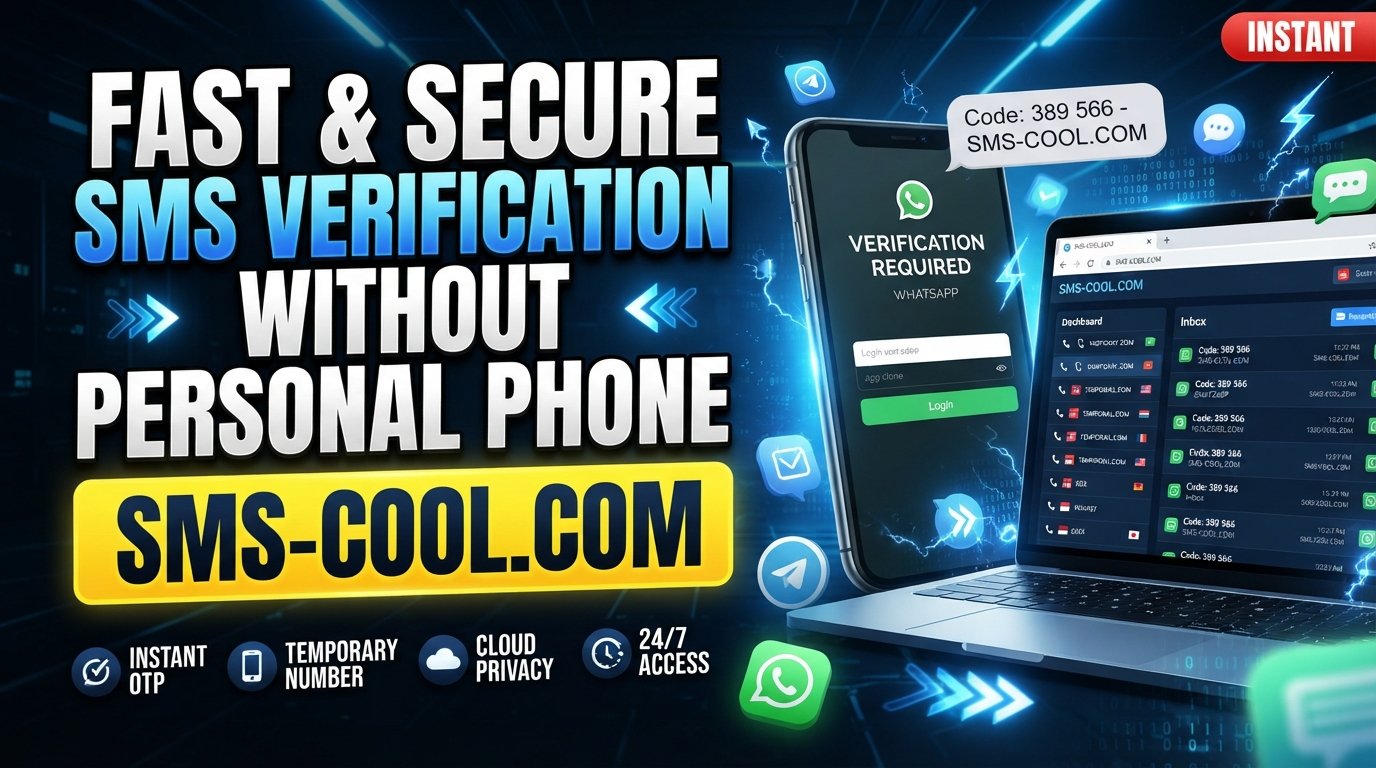
How Temporary SMS Inboxes Work
Getting a verification code by text seems simple: enter a phone number, wait for an SMS, and type the code into a website or app. But what happens when you would rather not give your personal number to another service?
That is where temporary SMS inboxes come in.
A temporary SMS inbox allows you to use a temporary or disposable phone number to receive text messages online. Instead of having a verification message delivered directly to your everyday phone, the message can be received through an online SMS inbox associated with the temporary number.
For people who need occasional SMS verification, want to test a service, or simply prefer not to share their personal number unnecessarily, this can be a practical option. Understanding how the technology works also helps you choose the right approach and use it responsibly.
What Is a Temporary SMS Inbox?
A temporary SMS inbox is an online service that lets users receive text messages sent to a temporary phone number.
Think of it as a digital mailbox for SMS. Rather than using your personal mobile number, you use an available temporary number and check the corresponding SMS inbox online.
When a website sends a verification code to that number, the message is routed through the mobile network and made available through the online service.
A typical temporary SMS setup involves three basic elements:
- A temporary phone number is provided.
- A website or app sends an SMS to that number.
- The incoming message appears in an online SMS inbox.
The process is designed to make receiving SMS more convenient when using a personal number is unnecessary or undesirable.
How Temporary SMS Inboxes Work
The underlying process is easier to understand than it may initially sound.
When you choose a temporary phone number, that number is connected to a service capable of receiving SMS messages. You enter the number into the website or application requesting phone verification.
The service then sends a text message to the number. Instead of appearing on your personal smartphone, the message is received by the temporary number and displayed through the provider's online interface.
You can then read the message and, when appropriate, use the verification code provided by the sender.
In simple terms:
Website or app → temporary number → SMS network → online SMS inbox → verification code
This is why users can receive SMS online without having the message delivered to their everyday mobile number.
How Temporary Phone Numbers Receive SMS
A temporary number works like a normal mobile number for the purpose of receiving supported text messages, but access to the incoming messages is provided through an online platform.
The exact availability and behavior of a number can vary between services. Some numbers may be available only temporarily, while others may be shared or reused depending on the provider.
That distinction matters. A temporary number should not automatically be treated as a permanent personal communication channel.
How SMS Verification Works
Many websites use phone-based verification as an additional way to confirm that a user can access a particular number.
For example, a service may ask you to enter your phone number during registration. It then sends a short code by SMS. You enter that code back into the website, and the service checks whether it matches the code it generated.
This is commonly known as SMS verification or online SMS verification.
With a temporary SMS service, the same basic flow can occur using a temporary number:
- Select an available number.
- Enter the number where verification is requested.
- Wait for the SMS.
- Open the temporary SMS inbox.
- Read the verification code.
- Enter the code into the original service.
Whether a particular website accepts a temporary number is determined by that website. Some services may block certain numbers or require numbers from specific regions.
Why Do People Use Temporary SMS Numbers?
The most obvious reason is convenience, but privacy is often an important consideration too.
Giving your personal number to every website, application, marketplace, or online service can be unnecessary. A disposable phone number provides an alternative when you only need to receive a one-time or short-term message.
Common motivations include:
Keeping Your Personal Number Separate
A temporary number can help separate casual online activity from your everyday phone number.
Receiving Verification Codes Online
If you need to receive verification SMS without using your primary number, an online SMS inbox can be convenient.
Testing Services
Developers, testers, and other users may sometimes need a number to evaluate an SMS-based workflow.
Reducing Unnecessary Exposure
Some people prefer not to provide their personal number simply because a particular service does not require ongoing communication with them.
This is where SMS privacy becomes relevant. A temporary number can reduce the need to disclose your usual contact number, although it does not make every online activity anonymous or automatically secure.
Common Use Cases for Temporary SMS Inboxes
Temporary SMS inboxes can be useful in several situations where short-term SMS access is enough.
For example, someone may need a temporary number for verification when trying a new online service. Another user may want to separate a one-off registration from their primary mobile number.
They can also be useful for:
- Receiving one-time verification codes
- Testing SMS delivery during development
- Separating temporary online activities from a personal number
- Accessing an online SMS inbox when a physical phone is inconvenient
- Receiving SMS without a personal number when the service permits it
- Handling short-term communication that does not require a permanent number
The important point is that temporary numbers are best suited to situations where long-term ownership of the number is not essential.
Benefits of Receiving SMS Online
The biggest benefit is flexibility.
With an online SMS inbox, you do not necessarily need to keep checking your physical phone for a message. The receiving process takes place through the service providing the temporary number.
There is also a practical privacy advantage: you can avoid sharing your everyday number when a temporary number is sufficient.
For occasional verification, this can make the process simpler. Instead of buying another SIM card or maintaining an additional mobile line, you can use an online solution designed for temporary SMS access.
However, convenience should not be confused with universal compatibility. Not every service accepts every temporary or virtual phone number.
Privacy Considerations When Using Temporary SMS
Temporary SMS can support better number separation, but users should understand what they are actually getting.
Some temporary SMS numbers may be accessible to multiple users over time. Depending on how a particular service operates, messages received through a number may therefore not be appropriate for sensitive or long-term accounts.
For important accounts, financial services, password recovery, or anything where losing access could cause serious problems, a personal number or another trusted authentication method may be more appropriate.
Also avoid sharing sensitive information through a public or shared SMS inbox. A verification code should be treated as confidential whenever the receiving service expects it to be confidential.
In short, temporary SMS can be useful for SMS privacy, but it should be used with sensible judgment.
Limitations and Important Considerations
Temporary SMS services are practical, but they are not a universal replacement for a personal mobile number.
Some websites may reject temporary numbers. Others may have restrictions based on country, carrier, number type, or previous usage.
There is also a risk of losing access to a temporary number later. If an account depends on that number for password recovery or future verification, that can become a problem.
For that reason, do not use a temporary number for an account where you expect to need reliable long-term access unless you have confirmed that another recovery method is available.
The safest approach is to match the number type to the purpose: temporary numbers for temporary needs, and a trusted personal or dedicated number for important long-term accounts.
How SMS COOL Provides a Practical Solution
Once you understand the process, the main challenge becomes finding a convenient way to access temporary SMS without unnecessarily complicating the task.
SMS COOL is designed around that practical need. It provides access to temporary SMS functionality so users can work with temporary numbers and receive messages online when a disposable or short-term number is appropriate.
Instead of treating temporary SMS as a complicated technical process, SMS COOL gives users a straightforward way to approach online SMS verification and temporary SMS access.
The value is especially clear when your goal is simple: you need to receive a verification message, but you would prefer not to use your personal number for that particular purpose.
How to Use SMS COOL for Receiving Verification SMS
The general process is straightforward:
1. Choose a Temporary Number
Start by selecting an available number through SMS COOL that fits the requirement of the service you are using.
2. Enter the Number
Use the temporary number on the website or application requesting phone verification, provided that the service accepts temporary or virtual numbers.
3. Wait for the SMS
When the verification message is sent, monitor the relevant SMS inbox for the incoming message.
4. Read the Verification Code
Once the SMS arrives, identify the code included in the message.
5. Complete Verification
Enter the code into the original website or application to complete its verification process.
The exact experience can depend on the destination service and the number available, but the underlying concept remains the same: use a temporary number, receive the SMS online, and use the message for its intended short-term purpose.
Why Choose SMS COOL Instead of Your Personal Number?
The decision often comes down to necessity.
If a website only needs a number to send a one-time verification code, providing your everyday number may feel unnecessary. A temporary SMS solution can create a useful separation between your personal communication and short-term online verification.
SMS COOL can therefore be a practical option for users who want to receive SMS without a personal number when the situation allows it.
It is not about replacing your regular phone. It is about having another option when a temporary SMS inbox makes more sense.
Frequently Asked Questions
What is a temporary SMS inbox?
A temporary SMS inbox is an online interface used to receive text messages sent to a temporary or disposable phone number. It can be used for supported short-term SMS and verification needs.
How does a temporary SMS inbox work?
A temporary number receives an SMS through the mobile network, and the message is made available through an online inbox. You can then read the message and use its verification code where appropriate.
Can I receive verification SMS online?
Yes, temporary SMS services can allow users to receive verification SMS online when the destination website accepts the number being used.
Why use a temporary phone number?
A temporary phone number can help avoid sharing your personal number for short-term activities such as certain registrations, testing, or verification processes.
Are temporary SMS numbers private?
Privacy varies by service and number type. Some temporary numbers may be shared or reused, so users should avoid sending or receiving highly sensitive information through temporary or public inboxes.
What can temporary SMS numbers be used for?
They can be useful for supported verification codes, temporary registrations, testing SMS workflows, and other situations where a short-term number is sufficient.
How does SMS COOL help with temporary SMS verification?
SMS COOL provides a practical way to access temporary SMS functionality and online inboxes when users need temporary numbers for supported verification and short-term SMS needs.
Conclusion: A Simpler Way to Handle Temporary SMS
Temporary SMS inboxes are essentially a bridge between online verification and short-term phone-number access. Instead of automatically giving every service your personal number, you can use a temporary phone number when that approach fits the situation.
The technology itself is straightforward: a temporary number receives the message, the SMS appears in an online inbox, and you can retrieve the verification code.
The important part is choosing the right tool and understanding its limitations.
For users who want a practical way to receive SMS online, handle supported verification codes, or use a temporary number without unnecessarily exposing their personal phone number, SMS COOL offers a convenient solution worth exploring.
When you need temporary SMS access, explore SMS COOL and use a temporary SMS inbox for your next supported online verification task.