28 Aug 2026
What Is an SMS OTP Code? A Simple OTP Verification Guide Made Easy
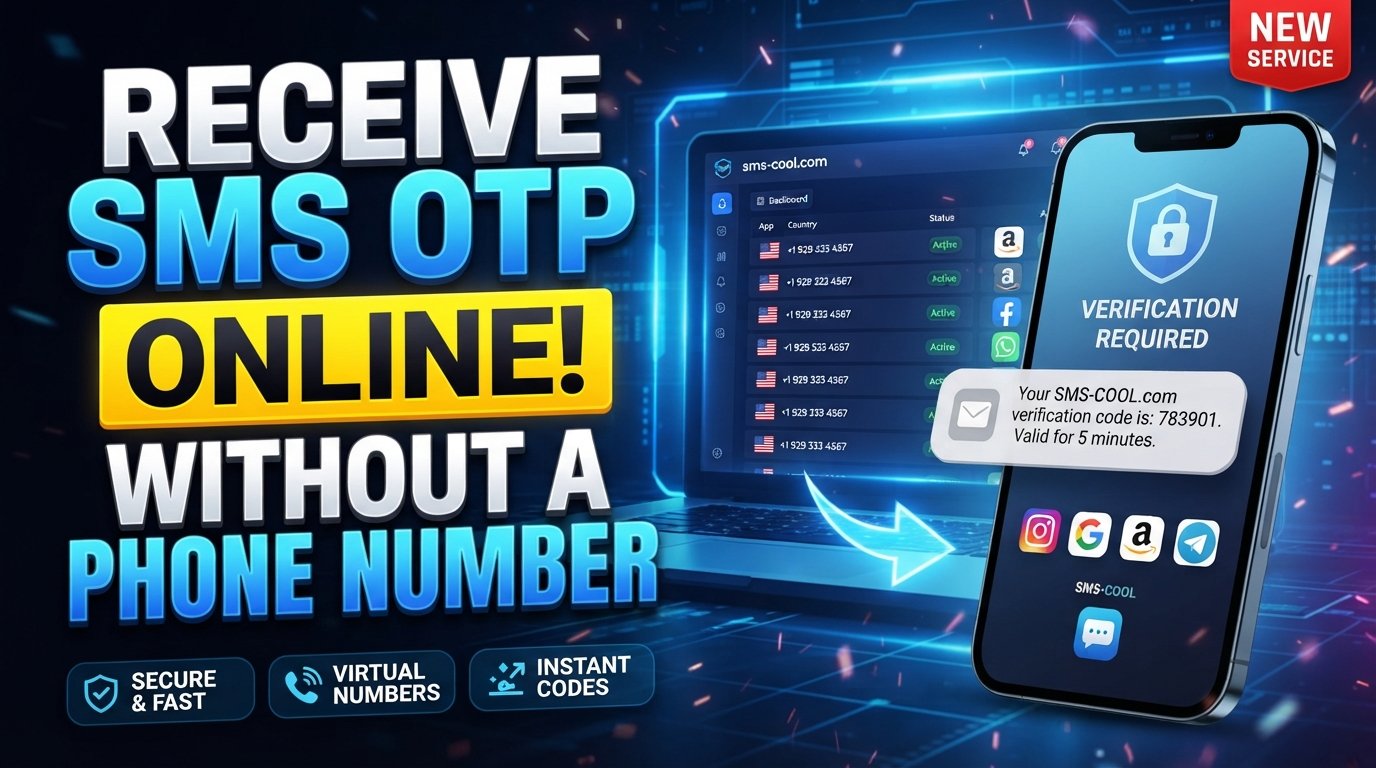
What Is an SMS OTP Code?
If you've ever signed up for an online service and received a text containing a short string of numbers, you've probably encountered an SMS OTP code.
An SMS OTP code is a temporary one-time password sent to a mobile phone through a text message. Websites and apps use these codes to confirm that a person has access to a particular phone number before allowing them to complete an action.
The concept is simple: a service generates a temporary code, sends it by SMS, and asks the user to enter it. If the code matches and is still valid, the verification process is completed.
But how does SMS OTP verification actually work, and can you receive an SMS OTP online? Let's break it down.
What Does OTP Mean?
OTP stands for One-Time Password.
Unlike a regular password that you may use repeatedly, an OTP is generally designed for a single verification attempt or a short period. Once it has been used or expires, it should no longer be valid.
For example, you might receive a message containing:
Your verification code is 482731.
The six-digit number is the OTP. You enter it into the relevant website or app, and the service checks whether it is correct.
OTPs can be delivered through several channels, including SMS, email, authenticator applications, and other verification systems. When the code is delivered by text message, it is commonly called an SMS OTP.
What Is an SMS OTP Code?
An SMS OTP code is a temporary verification code delivered to a phone number through SMS.
It is commonly used when a website or application needs an additional way to confirm a user's access to a phone number. The code may be required during registration, login, password recovery, account changes, or certain transactions.
An SMS verification code is usually short and numerical, although the exact format depends on the service sending it.
The important characteristics are:
- Temporary: The code normally expires after a limited period.
- One-time: It is intended for a specific verification event.
- Delivered by SMS: The code arrives as a text message.
- Easy to use: Users generally only need to copy or enter the code.
- Linked to a verification request: The code is generated for a particular action.
This makes SMS OTP verification straightforward for people who don't want to remember another password.
How Does SMS OTP Verification Work?
The process behind an SMS OTP code is relatively simple.
1. A user starts a verification process
You may be creating an account, signing in, recovering a password, or confirming another action.
2. The service generates an OTP
The website or application creates a temporary one-time password for that specific verification request.
3. The OTP is sent through SMS
The service sends the SMS verification code to the phone number associated with the process.
4. The user receives the message
The SMS arrives with instructions and the temporary verification code.
5. The user enters the OTP
You enter the code into the appropriate verification field.
6. The service checks the code
If the code is correct and hasn't expired, the service confirms the verification request.
This entire process can take only a few moments, which is one reason SMS remains a popular verification method.
Why Do Websites and Apps Use SMS OTP Codes?
Businesses and online platforms use SMS OTP codes for several legitimate reasons.
Common examples include:
- Account registration: Confirming that a phone number belongs to the person registering.
- Login verification: Adding another verification step when accessing an account.
- Password recovery: Helping users confirm their identity before resetting credentials.
- Identity confirmation: Checking access to a particular phone number.
- Transaction confirmation: Providing an additional confirmation step for certain actions.
- Two-step verification: Adding another layer beyond a username and password.
The goal is generally to make it harder for someone without access to the associated phone number to complete certain actions.
What Are the Benefits of SMS OTP Verification?
One of the biggest advantages of SMS verification is convenience. Most people understand how to read a text message, so there is little technical knowledge required.
SMS OTP also offers several practical benefits:
Quick access: Verification codes can often arrive within seconds, depending on the network and service.
Simple process: There is usually no complicated setup. Receive the message, enter the code, and continue.
Widely understood: SMS is familiar across smartphones and mobile devices.
Additional verification: An OTP can provide an extra checkpoint alongside a password or other credentials.
Useful for temporary verification: Because OTPs are intended to expire or work only once, they are different from permanent passwords.
Of course, an SMS OTP should be viewed as one layer of verification rather than a complete security solution.
Can You Receive an SMS OTP Code Online?
Yes, depending on the service and the verification process, you can use an online SMS receiving service to receive verification messages without relying exclusively on your personal mobile number.
This is where a service such as SMS COOL can be useful.
SMS COOL provides a practical way for users who need to receive SMS messages online to access verification messages through an online number or available virtual number service. Instead of having to use their personal phone number for every legitimate online registration or verification process, users can choose an appropriate option offered by the service.
The exact availability and acceptance of a number can vary between online platforms. For that reason, users should always check whether the number they select is suitable for the particular verification process they are completing.
SMS COOL: A Convenient Solution for Receiving SMS OTP Codes
SMS COOL is designed for people who need a convenient way to receive SMS messages online, including verification codes where supported.
For someone who regularly encounters phone verification during legitimate online activities, using an online phone number can be more convenient than relying solely on a personal mobile number.
With SMS COOL, the general idea is straightforward: select an available number or service appropriate for your needs, use it for a legitimate verification request, and access the incoming SMS verification message online.
This can be useful for situations such as:
- Online registrations that require phone verification
- Services that send a verification code by SMS
- Testing or account setup where an appropriate online number is acceptable
- Situations where you prefer not to use your primary phone number for a particular legitimate signup
The important point is to use SMS receiving services responsibly and only for activities permitted by the relevant platform.
How to Receive an SMS OTP Code With SMS COOL
Using an SMS receiving service can be straightforward. A typical process with SMS COOL looks like this:
- Visit SMS COOL.
- Choose an appropriate available number or service.
- Use the number for a legitimate verification process.
- Wait for the SMS OTP to arrive.
- View the incoming verification message.
- Enter the OTP on the relevant service when appropriate.
Because individual websites have their own verification policies, not every online number will necessarily be accepted everywhere. Always use a number and service that are appropriate for the specific purpose.
SMS OTP vs Other Verification Methods
SMS is only one way to verify a user.
Verification methodMain advantageSMS OTPConvenient and familiarEmail verificationUseful when email access is already availableAuthenticator appsCan provide strong account verification without SMSPush notificationsFast approval through a trusted deviceHardware security keysStrong protection against certain types of account attacks
SMS OTP can be especially convenient when a service requires a phone number and the user wants a straightforward verification experience.
For highly sensitive accounts, however, stronger authentication options may be preferable when available.
Is SMS OTP Secure?
An SMS OTP code can provide an additional layer of verification, but SMS is not a perfect security mechanism.
There are risks associated with phone-based verification, including SIM-related attacks, phishing, interception, and recycled phone numbers. Someone who obtains an OTP through a malicious method may potentially use it to complete a verification process.
That's why good security habits still matter.
Never share an OTP with someone who asks for it unexpectedly. Be careful about links in suspicious messages, use strong and unique passwords, and enable stronger authentication methods when a service provides them.
For important accounts, an authenticator app or hardware security key may offer stronger protection than SMS alone.
When Should You Use an SMS OTP Service?
An SMS receiving service can be useful when you have a legitimate reason to receive a verification message online and an appropriate virtual or online number is accepted.
Potential use cases include:
- Registering for an online service that permits such numbers
- Receiving a temporary SMS verification message
- Keeping your primary number separate from certain online registrations
- Accessing verification messages online when that option is appropriate
- Using a virtual number for SMS-related tasks that comply with the service's rules
Always respect the terms of the platform you're using. An SMS OTP service should be used for legitimate verification—not to bypass security controls, impersonate someone, or abuse online services.
Why Choose SMS COOL for SMS Verification?
When you need to receive SMS OTP codes online, convenience matters. SMS COOL can provide a practical option for users who want access to SMS verification messages through an online receiving service.
The appeal is straightforward:
- Online access to SMS messages
- Convenient verification workflow
- Virtual numbers for appropriate SMS verification needs
- A simple approach to receiving verification codes
- An alternative to relying exclusively on your personal number
Rather than treating an online SMS service as a complicated technical tool, think of it as a convenient way to handle certain SMS receiving needs.
The best choice always depends on the specific verification service, its requirements, and whether online or virtual numbers are accepted.
Frequently Asked Questions
What is an SMS OTP code?
An SMS OTP code is a temporary one-time password sent to a mobile number through SMS. It is used to verify access to a phone number during activities such as registration, login, password recovery, or confirmation.
How does an SMS OTP work?
A website or application generates a temporary OTP and sends it as an SMS verification code. The user enters the received code, and the service checks whether it is correct and still valid.
How can I receive an SMS OTP online?
You can use an online SMS receiving service such as SMS COOL when the relevant website accepts the type of number provided. Select an appropriate available number, use it for a legitimate verification request, and check the incoming SMS.
What is SMS verification?
SMS verification is a process where a website or application sends a verification code to a phone number. The user enters that code to confirm access to the number or complete a particular verification step.
Can I receive verification codes online?
Yes, some online SMS receiving services allow users to receive verification messages through an online number. However, acceptance varies by platform, so an online number may not work with every service.
Is an SMS OTP the same as a one-time password?
An SMS OTP is a type of one-time password. The key difference is the delivery method: an SMS OTP is specifically delivered through text messaging.
What is SMS COOL?
SMS COOL is an online SMS receiving solution that can help users access SMS messages and verification codes through available online or virtual numbers where appropriate. It is designed as a convenient option for legitimate SMS verification needs.
Conclusion
An SMS OTP code is simply a temporary one-time password delivered through SMS to help verify access to a phone number. Its straightforward process—request a code, receive the SMS, enter the OTP, and complete verification—has made SMS verification a familiar part of online registration, login, recovery, and confirmation processes.
For people who need to receive SMS OTP codes online, an online SMS receiving service can provide a convenient alternative when the relevant platform permits it. SMS COOL offers a practical way to access SMS verification messages through available online numbers for legitimate use cases.
If you need a convenient approach to online SMS verification, explore SMS COOL and see whether its available options fit your verification needs.