19 Aug 2026
Understanding SMS Infrastructure: How Modern SMS Services Work
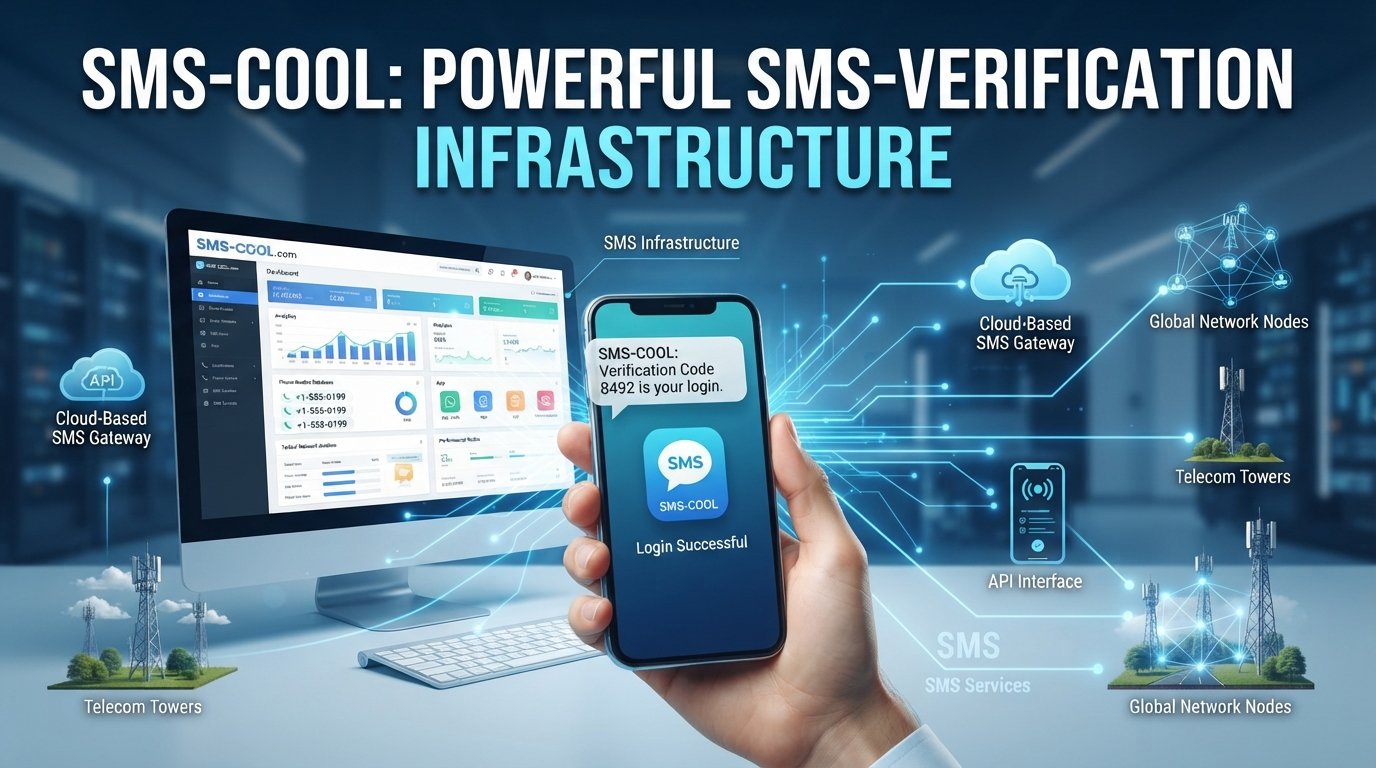
Understanding the Infrastructure Behind SMS Services
Sending a text message looks simple. You type a few words, press send, and the recipient gets a notification almost instantly.
Behind that simple experience, however, is a sophisticated network of software, telecom infrastructure, routing systems, APIs, and messaging protocols working together.
For businesses, this infrastructure matters even more. An OTP needs to arrive when a customer is trying to log in. A delivery notification must reach the right customer promptly. A bulk SMS campaign may need to reach thousands of people without overwhelming the system.
That is why understanding SMS infrastructure is useful when choosing an SMS provider. The right platform can hide much of the technical complexity while giving businesses reliable, scalable, and efficient messaging.
What Is SMS Infrastructure?
SMS infrastructure is the combination of technology and telecommunications systems that allows text messages to move from a sender to a mobile phone.
It includes several components, such as:
- SMS gateways
- SMS APIs
- Telecom networks
- Message routing systems
- SMPP connections
- Carrier relationships
- Delivery and status reporting systems
- Security and monitoring tools
When a business sends an SMS through an online platform, the message does not simply travel directly from a website to a phone. It passes through a series of systems that determine how the message should be processed and delivered.
A professional SMS service brings these components together so businesses can focus on their customers rather than managing complex telecom infrastructure themselves.
How Does SMS Infrastructure Work?
The process begins when an application, business system, or employee creates a message.
For example, imagine a customer creates an account and requests a verification code. The company's application sends the OTP request to an SMS platform through an SMS API.
The SMS platform then processes the request and determines how to route the message through the appropriate telecommunications channels. The mobile network receives the message and ultimately delivers it to the customer's phone.
A simplified flow looks like this:
Business application → SMS API → SMS gateway → Message routing → Telecom network → Recipient's phone
Each stage plays an important role in successful SMS delivery.
If the infrastructure is poorly designed, messages may experience delays, routing problems, or delivery failures. A dependable SMS provider helps businesses manage these complexities behind the scenes.
The Role of an SMS Gateway
An SMS gateway acts as a bridge between software applications and mobile networks.
Businesses typically do not want their developers to build direct connections with multiple telecom networks. Instead, an SMS gateway provides an easier way to submit messages and receive delivery information.
For example, an e-commerce platform might use a gateway to send:
- Order confirmations
- Shipping notifications
- Login alerts
- Appointment reminders
- Customer updates
The gateway receives the message from the business system and passes it into the appropriate messaging infrastructure.
This makes the gateway one of the most important components of modern business SMS services.
What Is an SMS API?
An SMS API allows software to communicate with an SMS platform automatically.
API stands for Application Programming Interface. In simple terms, it gives a business application a structured way to tell an SMS service what to do.
Instead of manually logging into a dashboard every time a message needs to be sent, developers can integrate SMS functionality directly into their software.
For example:
Customer places an order → application triggers SMS API → confirmation SMS is sent
This automation makes SMS APIs particularly valuable for transactional messaging, OTP verification, alerts, and customer notifications.
For businesses that need API-based SMS integration without building complicated telecom systems from scratch, a platform such as SMS COOL can simplify the implementation process.
Understanding SMPP
SMPP, or Short Message Peer-to-Peer protocol, is a telecommunications protocol commonly used for exchanging SMS messages between applications and mobile network systems.
You do not need to understand the technical details of SMPP to send a text message. However, it is useful to know why it exists.
SMPP provides a standardized way for systems to communicate at scale. SMS platforms and telecom-related systems can use such connections to exchange messages efficiently.
For high-volume messaging environments, the underlying connection technology can influence performance, reliability, and scalability.
This is one reason businesses should evaluate an SMS provider based on its overall infrastructure rather than looking only at the appearance of its messaging dashboard.
How Message Routing Works
Once an SMS enters the messaging infrastructure, it needs to be routed toward the appropriate destination.
Message routing involves determining which telecommunications path should be used to reach the recipient.
Factors can include:
- Recipient destination
- Mobile network
- Sender configuration
- Available routes
- Message type
- Delivery requirements
- International routing considerations
Effective routing helps reduce unnecessary delays and delivery failures.
For businesses sending international SMS, routing becomes especially important because messages may cross different carriers, networks, and regulatory environments.
A capable SMS platform manages much of this complexity automatically.
What Happens During SMS Delivery?
SMS delivery is more than simply sending a message from one computer to another.
After submission, the message moves through the relevant messaging and telecom systems. Depending on the network and destination, the message may be processed through multiple interconnected systems before reaching the recipient.
Delivery status information can also be returned to the sender.
This is valuable for businesses because they can identify whether messages were successfully delivered, delayed, or unsuccessful.
For transactional SMS, this visibility can help teams troubleshoot communication problems and improve customer experiences.
Why Businesses Need Dependable SMS Infrastructure
For many companies, SMS is not just another marketing channel. It can be part of a critical customer journey.
Consider an OTP sent during account authentication. If that message is delayed, the customer may be unable to complete the login process.
The same applies to payment alerts, appointment reminders, delivery notifications, and other time-sensitive communications.
Dependable SMS infrastructure helps businesses achieve:
- Consistent message delivery
- Fast communication
- Better customer experiences
- Automated notifications
- Scalable messaging
- Improved operational efficiency
- More reliable authentication workflows
The infrastructure needs to work quietly in the background so customers receive the information they expect when they need it.
OTP and Verification Messages
OTP and verification SMS are among the most important transactional messaging use cases.
A typical process looks like this:
- A customer enters a phone number.
- The application generates a temporary verification code.
- The application sends the code through an SMS API.
- The SMS platform processes and routes the message.
- The customer receives the OTP.
- The application verifies the submitted code.
Speed and reliability matter because OTPs are often time-sensitive.
For companies operating applications, websites, financial services, marketplaces, or customer portals, a dependable SMS infrastructure can make the authentication experience smoother.
SMS COOL can be used as part of an API-based approach for businesses that need OTP and verification messaging without having to manage the underlying messaging complexity themselves.
Business SMS, Bulk SMS, and Two-Way SMS
SMS infrastructure supports more than transactional notifications.
Business SMS
Companies use business SMS to communicate directly with customers. Common examples include reminders, alerts, confirmations, promotions, and service updates.
Bulk SMS
Bulk SMS allows organizations to send messages to large groups of recipients.
A campaign may involve hundreds, thousands, or more recipients. This makes scalability important. The platform needs to process messaging requests efficiently while maintaining appropriate delivery performance.
Two-Way SMS
Two-way SMS allows recipients to respond rather than simply receive messages.
This can support customer conversations, confirmations, feedback, surveys, and other interactive communication workflows.
Together, these capabilities make SMS useful across marketing, customer service, authentication, and operations.
SMS Reliability and Scalability
A messaging system that works for a small number of messages may not automatically work well when demand increases.
Imagine a business launching a major promotion and suddenly needing to send a large volume of SMS messages. Its messaging infrastructure needs enough capacity to process those requests efficiently.
Scalability is therefore an important consideration when choosing an SMS service.
Reliability also involves more than speed. Businesses should consider delivery visibility, routing, monitoring, integration options, and the provider's ability to support growing messaging requirements.
SMS COOL provides a practical option for businesses looking for scalable messaging capabilities without taking on the full technical burden of building SMS infrastructure internally.
SMS Security
Because SMS can carry sensitive information, security deserves careful attention.
Businesses should consider how their messaging platform handles API access, authentication, account controls, data protection, and message activity.
OTP messages are particularly important because verification codes can be connected to user accounts.
Businesses should also establish sensible controls around message generation and access. Strong application security and responsible SMS practices work together to reduce unnecessary risks.
International SMS Infrastructure
Sending SMS internationally can introduce additional complexity.
Different countries and mobile networks can have different requirements involving sender identities, routing, message content, regulations, and delivery practices.
A business expanding into international markets should therefore avoid assuming that an SMS strategy that works in one market will perform identically everywhere.
A capable SMS provider can help simplify the operational side of international messaging by providing access to appropriate routes and infrastructure.
How Fast Is SMS Delivery?
SMS is often associated with near-immediate communication, but delivery speed can vary.
Network conditions, routing, carrier processing, traffic levels, destination, and message type can all influence delivery time.
For time-sensitive communications such as OTPs and alerts, businesses should therefore focus on the provider's overall delivery infrastructure rather than promising a universal delivery time.
The goal is straightforward: use an SMS platform designed to process and route messages efficiently so customers receive important communications without unnecessary delay.
How SMS COOL Solves Common SMS Infrastructure Challenges
Building a complete SMS infrastructure internally can require significant technical knowledge and ongoing operational work.
Businesses may need to deal with APIs, gateways, routing, telecom connectivity, delivery reporting, scalability, and international messaging considerations.
SMS COOL provides a practical way to simplify this process.
Instead of requiring a business to build every messaging component itself, an SMS platform can provide the tools needed to connect applications and communication workflows with SMS infrastructure.
With SMS COOL, businesses can focus on practical use cases such as:
- Sending OTP and verification messages
- Integrating SMS through APIs
- Running bulk SMS campaigns
- Sending business notifications
- Supporting customer communication
- Scaling messaging as demand grows
The benefit is not simply sending more messages. It is reducing the technical complexity between a business application and the customer receiving the SMS.
How to Choose an SMS Provider
Choosing an SMS provider should go beyond comparing headline prices.
Look for a platform that fits your actual messaging requirements and consider:
- Delivery reliability: Can the provider support consistent SMS delivery?
- API integration: Is integration straightforward for your development team?
- Scalability: Can the service accommodate higher message volumes?
- Speed: Is the infrastructure designed for efficient message processing?
- International reach: Does it support the markets your business serves?
- Messaging options: Can you handle transactional, bulk, and two-way SMS?
- Security: Are appropriate controls available for business messaging?
- Monitoring: Can you understand message status and delivery outcomes?
- Ease of use: Does the platform reduce technical complexity?
A provider that combines practical integration with dependable infrastructure can save businesses considerable time and effort.
The Bottom Line
SMS may look simple from the customer's perspective, but the infrastructure behind every message is surprisingly sophisticated.
SMS gateways connect applications with telecom networks. APIs automate communication. SMPP supports system-to-system messaging. Routing determines how messages travel, while delivery systems help businesses understand what happened after a message was submitted.
For businesses, this infrastructure directly affects customer experience.
Whether you need OTP verification, business notifications, bulk SMS campaigns, two-way messaging, or scalable API-based communication, the quality of the underlying SMS service matters.
SMS COOL offers a practical approach for businesses that want reliable, scalable, and efficient SMS messaging without having to manage the full complexity of telecom infrastructure themselves.
If your business depends on timely customer communication, now is a good time to evaluate whether your SMS infrastructure is helping—or holding back—your communication strategy. Consider SMS COOL as a practical SMS solution for connecting your applications, campaigns, and customers through professional messaging infrastructure.