19 Aug 2026
SMS Delivery Report: Track Message Status & Improve SMS Results
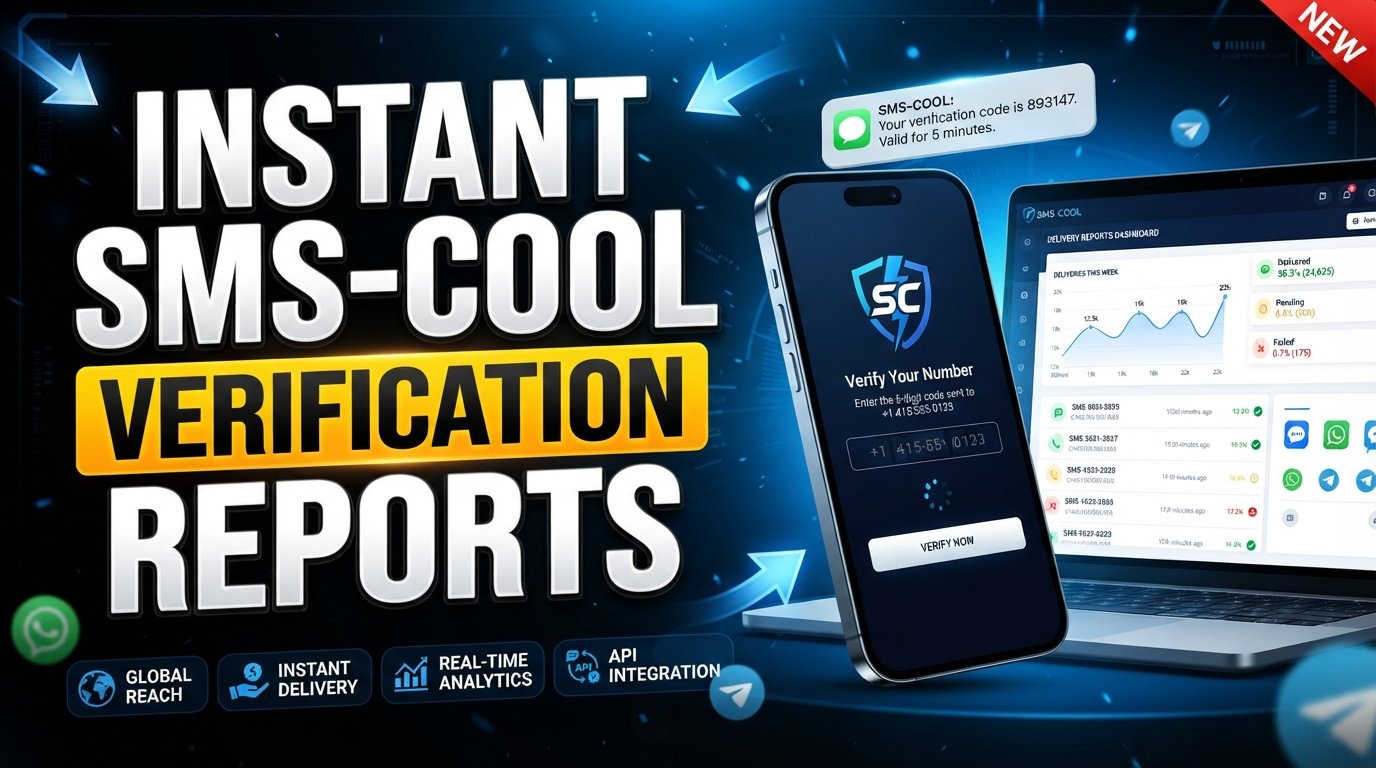
What Is an SMS Delivery Report?
Sending an SMS is easy. Knowing what happened after you pressed Send is where things get more interesting.
For businesses, a message that leaves an SMS platform is not necessarily a message that reaches the intended recipient. A customer may have received an order update, missed an OTP, or never seen an important promotional offer. Without visibility into message delivery, it can be difficult to know whether your SMS communication is actually working.
That is where an SMS delivery report becomes valuable.
An SMS delivery report provides information about the delivery status of messages sent through an SMS platform or gateway. Instead of simply showing that a message was submitted, it can help businesses understand whether messages were delivered, delayed, rejected, or failed.
For companies using business SMS, bulk messaging, notifications, alerts, or SMS marketing, this visibility can make communication much easier to manage.
What Is an SMS Delivery Report?
An SMS delivery report is a record that shows the status of an SMS message after it has been sent.
Think of it as a tracking update for your text message. When you send a parcel, you want to know whether it arrived at its destination. SMS delivery reports provide a similar type of visibility for business messages.
Depending on the SMS provider and network, a report may include information such as:
- Message ID or reference
- Recipient number
- Sending time
- Delivery time
- SMS delivery status
- Failure or rejection status
- Campaign information
- Other available message details
The key difference is between sending an SMS and knowing what happened to it afterward.
A platform may successfully accept your message for processing, but that does not automatically mean the recipient received it. Delivery reporting helps close that information gap.
How Does an SMS Delivery Report Work?
The process usually involves several steps.
First, a business creates and sends an SMS through an SMS platform, application, or SMS gateway. The message is then submitted to the relevant telecommunications network for processing and delivery.
After attempting delivery, the network or messaging infrastructure can return a status update to the SMS platform. The platform uses that information to provide an SMS delivery report or status record.
In simple terms:
Business → SMS Platform → Network → Recipient → Delivery Status
For example, imagine an online store sends a customer an SMS notification saying, “Your order has been shipped.”
The message is submitted successfully. If the recipient's phone receives the SMS, the system may report the message as Delivered. If the number is invalid or the network cannot complete delivery, the status may instead show Failed or Undelivered.
This distinction is especially important when sending thousands of messages through a bulk SMS service. Businesses need more than a simple “sent” count; they need useful information about message delivery status.
Common SMS Delivery Statuses Explained
Different SMS providers may use slightly different terminology, but several delivery statuses are common.
Delivered
Delivered generally means the network has confirmed successful delivery of the SMS to the recipient's device or destination.
For businesses, this is one of the most useful indicators because it shows that the message successfully reached its intended destination according to the available delivery confirmation.
Pending
Pending means the message is still being processed or delivery has not yet received a final status.
Temporary network conditions, traffic, or other processing delays can cause a message to remain pending before a final result is available.
Failed
A Failed status indicates that the message could not be successfully delivered.
The reason can vary. It may involve an invalid number, network issue, routing problem, account configuration, or another delivery-related condition.
Rejected
A Rejected message was refused somewhere in the delivery process.
Rejection can occur for different reasons, including invalid destinations, filtering, sender restrictions, content policies, or network-level rules.
Undelivered
Undelivered indicates that the SMS did not reach the recipient.
Some systems distinguish between failed and undelivered statuses, while others may use similar terminology. The exact meaning depends on the provider and network reporting system.
Understanding these statuses helps businesses distinguish between messages that were successfully delivered and those that require attention.
Why Are SMS Delivery Reports Important?
An SMS delivery report is useful because it turns messaging from a “send and hope” process into a more measurable communication channel.
For businesses, delivery data can help answer important questions:
- Did customers receive the notification?
- Were OTP messages successfully delivered?
- How many marketing messages reached recipients?
- Are particular numbers repeatedly failing?
- Is a campaign experiencing an unusual number of delivery problems?
- Are customers receiving important alerts on time?
Without SMS delivery tracking, these questions can be difficult to answer.
Delivery reports can also help businesses identify patterns. If a significant portion of messages consistently fails, the problem may require investigation rather than simply sending more messages.
What Causes SMS Messages to Fail?
There is no single reason why an SMS may fail to reach a recipient. Common causes include:
Invalid or Incorrect Numbers
A mistyped, incomplete, or inactive phone number can prevent successful delivery.
Network Problems
Temporary issues with mobile networks, routing, or connectivity can delay or prevent message delivery.
Recipient Availability
In some circumstances, a device may be unavailable or unable to receive messages when delivery is attempted.
Sender or Content Restrictions
Certain messages may be filtered or rejected because of sender configuration, regulatory requirements, carrier policies, or content-related restrictions.
Routing Issues
Messages often pass through multiple systems before reaching a recipient. Problems somewhere in the messaging route can affect delivery.
Account or Configuration Problems
Incorrect sender settings, insufficient account configuration, or other platform-related issues can also interfere with SMS message delivery.
An SMS status report does not necessarily solve every delivery problem automatically, but it gives businesses valuable information for investigating them.
How SMS Delivery Reports Help Businesses
Delivery reporting has applications far beyond marketing.
Customer Notifications
Businesses can monitor whether important updates, appointment reminders, shipping notifications, and service messages are reaching customers.
OTPs and Verification
For authentication workflows, delivery visibility is particularly useful. If an OTP is not delivered, identifying the message status can help support teams understand what happened.
Alerts and Time-Sensitive Messages
Banks, healthcare providers, retailers, logistics companies, and other organizations may rely on SMS notifications for time-sensitive communication.
Customer Support
When a customer says they did not receive a message, support teams can use available delivery information to investigate instead of guessing.
SMS Marketing
Marketing teams can review delivery data alongside campaign performance to better understand the reach of their messages.
SMS Delivery Reports for Bulk SMS and Marketing
Bulk SMS can be a powerful way to communicate with large audiences, but scale makes visibility even more important.
Imagine sending 50,000 promotional messages. A simple report showing “50,000 sent” does not tell you enough.
A useful SMS reporting system can help you understand how many messages were delivered and how many encountered problems.
This information can support better campaign decisions, such as:
- Reviewing unsuccessful destinations
- Identifying delivery patterns
- Comparing campaign performance
- Improving contact data
- Investigating unusual failure rates
- Measuring the reach of business SMS campaigns
Delivery data should not be confused with engagement data. A delivered SMS does not necessarily mean that a customer opened, read, or acted on the message. However, delivery is an important first step in understanding communication performance.
Why Choose SMS COOL for SMS Delivery?
For businesses, the challenge is not simply finding a way to send messages. The real goal is to manage reliable SMS communication with better visibility.
That is where SMS COOL can fit naturally into a business messaging strategy.
SMS COOL is positioned as a practical SMS delivery solution for organizations that need to send business messages while keeping track of available delivery information.
Instead of treating SMS as a one-way broadcast, businesses can use delivery tracking and reporting to gain a clearer picture of what is happening to their messages.
Whether the use case involves customer notifications, marketing campaigns, alerts, OTPs, or bulk SMS communication, having access to delivery information can make messaging operations easier to monitor.
The value is straightforward: send messages, monitor their status, and use the available data to make better communication decisions.
How SMS COOL Simplifies SMS Tracking and Reporting
One of the biggest advantages of using a dedicated messaging solution is having SMS communication and monitoring capabilities within a structured workflow.
With SMS COOL, businesses looking for an SMS delivery solution can focus on several important areas:
Better Delivery Visibility
Delivery status information helps businesses understand whether messages have progressed successfully or encountered an issue.
Easier SMS Tracking
SMS tracking can reduce uncertainty after a message is submitted. Instead of relying solely on a sending confirmation, businesses can review available delivery information.
More Practical SMS Reporting
Organized SMS reporting can make it easier to monitor communication activity, investigate delivery problems, and review campaign outcomes.
Support for Business Messaging
From routine customer updates to promotional campaigns, businesses can use SMS as part of a broader communication strategy while maintaining greater visibility over their messaging activity.
Improved Campaign Monitoring
For SMS marketing and bulk SMS campaigns, delivery information provides useful context when evaluating overall campaign performance.
Most importantly, businesses should view delivery reports as a source of operational insight rather than simply another dashboard metric. The goal is to use the information to improve the quality and reliability of future communication.
How to Get More Value From SMS Delivery Data
Simply having delivery reports is not enough. Businesses should use the information they provide.
Start by monitoring unusual changes in delivery performance. If a campaign suddenly produces a higher number of failed or rejected messages, investigate the cause.
Keep customer phone-number data accurate and remove outdated contacts where appropriate. Review message content and sender configurations when delivery problems appear repeatedly.
It is also useful to separate different types of communication. Transactional notifications, OTPs, customer alerts, and promotional SMS may have different priorities and performance requirements.
Finally, look at delivery information alongside other SMS analytics. Delivery tells you whether messages reached their destination; other metrics can help explain what happened after delivery.
Together, these insights can create a more complete picture of your SMS communication strategy.
Final Thoughts
An SMS delivery report gives businesses something extremely valuable: visibility.
Sending a message tells you that your communication has entered the messaging process. A delivery report can provide a clearer indication of what happened afterward, including whether the message was delivered, remained pending, failed, or was rejected.
For organizations relying on bulk SMS, SMS marketing, OTPs, customer notifications, and business messaging, that visibility can support better decision-making and more reliable communication.
SMS COOL provides a practical option for businesses that want to combine SMS communication with delivery tracking and reporting. By making message status and delivery information easier to monitor, it can help businesses move beyond simply sending SMS and toward managing their messaging more effectively.
If your business depends on SMS and you want better visibility into message delivery, explore SMS COOL and make SMS tracking and reporting a more useful part of your communication strategy.