17 Aug 2026
How SMS Account Verification Works: A Complete Security Guide
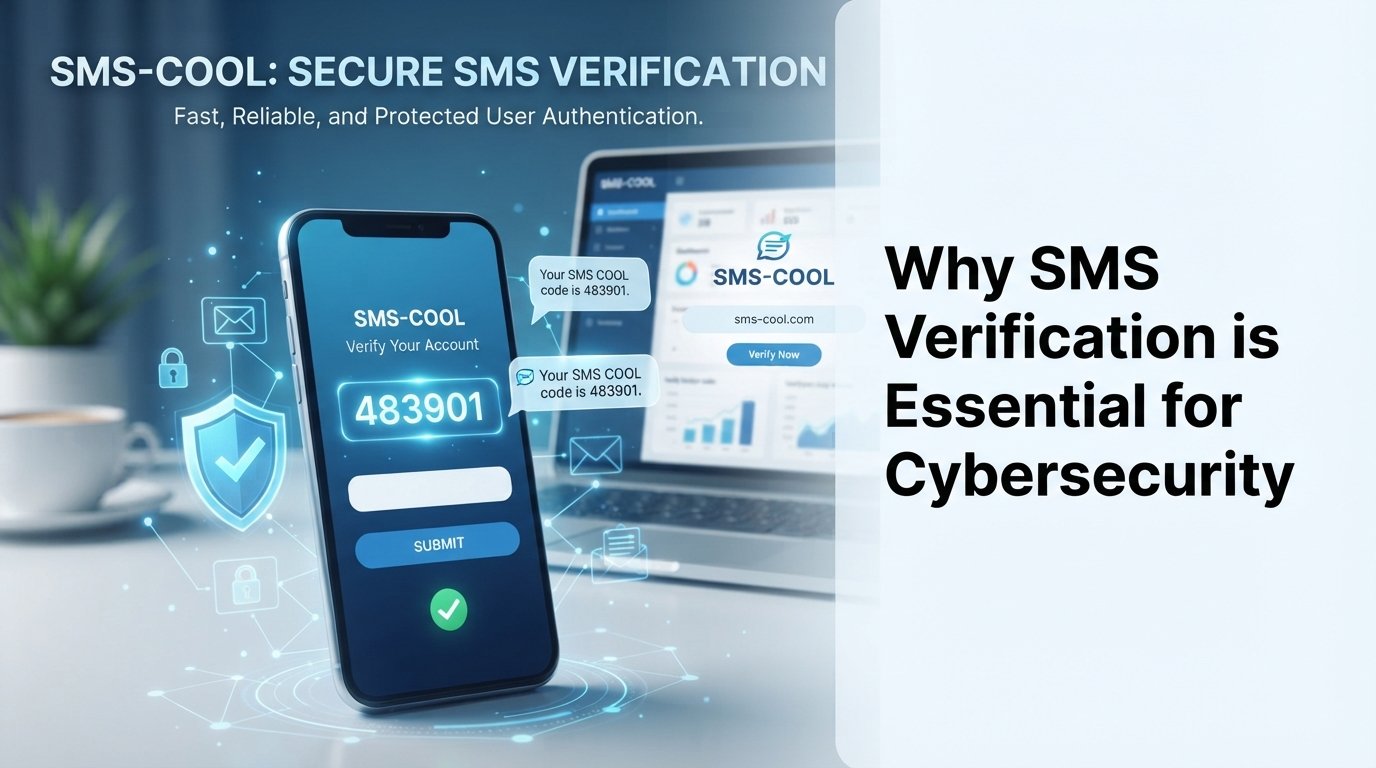
How SMS Account Verification Works
Introduction
You sign up for an app, enter your phone number, and almost immediately receive a short message containing a few digits. You enter the code, and your account is ready.
That simple interaction is SMS account verification in action.
For websites, mobile apps, online services, and digital platforms, verifying a phone number is an important way to confirm that a user can access a particular mobile number. It can also add another layer of protection when combined with a password or another authentication method.
But what actually happens between clicking “Send Code” and seeing “Verified” on your screen?
Understanding the process helps both businesses and users make better decisions about account security, user authentication, and verification services. It also explains why reliable SMS delivery matters.
In this guide, we'll break down how SMS verification works, where OTP codes fit into the process, common problems users encounter, and how SMS COOL can provide a practical option for SMS verification needs.
What Is SMS Account Verification?
SMS account verification is a process that uses a mobile phone number to confirm a user's identity, ownership, or ability to receive messages at that number.
When a website or app asks you to enter a phone number during registration, it may send a unique verification code by SMS. The user then enters that code into the service. If the code matches the one generated by the platform and is still valid, the phone number is considered verified.
This is commonly called:
- SMS verification
- Phone number verification
- Mobile verification
- SMS authentication
- OTP verification
- SMS OTP verification
The basic idea is straightforward: access to the phone number provides an additional signal that can be used during account registration or login.
How Does SMS Account Verification Work?
Although the process looks simple to the user, several steps happen behind the scenes.
1. The user enters a phone number
The process usually begins when someone enters a mobile number into a registration, login, recovery, or verification form.
The platform checks that the number is formatted correctly before continuing.
2. The platform requests verification
Once the number is submitted, the service creates a verification request. Depending on the platform, this may happen during account creation, password recovery, login, or another security-sensitive action.
3. A unique OTP is generated
The system generates a temporary one-time password, commonly called an OTP.
An OTP is normally a short numeric code, although the exact format can vary. The important characteristic is that the code is intended for a limited verification event rather than permanent use.
4. The verification code is sent by SMS
The OTP is delivered to the phone number provided by the user through an SMS verification service.
The message may contain instructions such as entering the code into the website or app. The user doesn't need to remember the code permanently because it is intended for immediate use.
5. The user enters the code
The recipient enters the verification code into the appropriate field.
For a good user experience, the verification screen should make this step quick and obvious.
6. The platform validates the OTP
The service checks whether the submitted code matches the expected code and whether it is still valid.
A properly designed system should also consider factors such as expiration, retry limits, and repeated requests.
7. The number or account is verified
If the code is correct and valid, the platform confirms the verification.
Depending on the purpose of the process, the verified number may then be associated with the account, used as a recovery method, or accepted as one factor in authentication.
That's the core of online account verification through SMS: generate, deliver, enter, validate, and confirm.
Why Do Websites and Apps Use SMS Verification?
Phone verification isn't just an extra form field. It can serve several practical purposes.
Confirming phone ownership
SMS verification provides a way to check whether a user can receive messages at the number they submitted.
Improving account security
An additional verification step can make unauthorized account access more difficult, particularly when SMS is used alongside a password as part of two-factor authentication.
Reducing fake registrations
Requiring phone verification can add friction to automated or low-quality account creation. It doesn't eliminate abuse on its own, but it can be one component of a broader anti-fraud strategy.
Supporting account recovery
A verified phone number may also be used to help users regain access when they forget a password or encounter another account-access problem.
Building trust
For certain services, confirming contact information can help maintain cleaner user records and provide another communication channel when necessary.
SMS Verification vs. Other Authentication Methods
SMS isn't the only way to verify a user, and different methods have different strengths.
Email verification sends a confirmation link or code to an email address. It is convenient when users have reliable email access, but it depends on access to the email account.
Authenticator apps generate time-based codes directly on a device. They can provide stronger protection against some threats, but setup may require additional steps.
Security keys and passkeys can provide strong authentication with less dependence on SMS, depending on the platform and user's setup.
SMS verification remains attractive because mobile phones are widely used and the process is familiar. However, organizations should select authentication methods according to their security requirements rather than treating SMS as a universal solution.
For higher-risk accounts, SMS may work best as one layer within a broader authentication strategy.
Common Problems With SMS Account Verification
Even a straightforward verification process can fail.
Delayed messages
A verification SMS may take longer than expected to arrive because of network conditions, carrier issues, or service-side delays.
Failed delivery
Messages can occasionally fail to reach a number. Incorrect number formatting, unsupported destinations, network restrictions, or other delivery problems may contribute.
Expired codes
OTPs are generally designed to be temporary. Waiting too long can make a previously delivered code invalid.
Invalid codes
Users may enter an incorrect code because of a typing mistake, confusion between multiple messages, or requesting a new code and then entering an older one.
Too many verification attempts
Repeatedly requesting codes can trigger rate limits or temporary restrictions. This is why both users and platforms should avoid unnecessary verification attempts.
A reliable verification experience depends not only on generating a valid OTP but also on making the entire delivery and confirmation process easy to complete.
How SMS COOL Solves SMS Verification Challenges
This is where choosing a practical SMS verification solution can make a difference.
SMS COOL can be considered when you need convenient access to SMS verification and OTP-related messages. Instead of treating verification as a confusing technical hurdle, the goal is to make receiving and using verification messages more straightforward.
For users and businesses with legitimate SMS verification requirements, SMS COOL provides a practical option for handling verification messages and supporting phone-based account verification workflows.
The value is especially clear when the priority is convenience and accessibility. A verification code is only useful when it can be received and used successfully. Having a service focused on SMS verification can make that part of the process more manageable.
As with any verification solution, users should follow the terms, policies, and verification requirements of the platform they are accessing. SMS verification should be used responsibly and for legitimate purposes.
Benefits of Using SMS COOL for Account Verification
When SMS verification is part of your regular online workflow, convenience matters.
Convenient access to verification messages
SMS COOL can provide a practical way to receive SMS verification messages when you need them, helping reduce unnecessary friction during verification.
A simpler verification experience
The easier it is to access a verification message and enter the correct OTP, the less frustrating the overall account setup or verification process becomes.
Useful for OTP-based workflows
Many online services rely on temporary verification codes. A solution designed around SMS access can be useful for workflows where receiving those messages is necessary.
Greater flexibility
SMS-based verification can appear during registration, login, account recovery, or other account-related processes. Having a practical SMS verification option can make these situations easier to handle.
Less unnecessary friction
When verification messages are accessible and the process is clear, users can spend less time troubleshooting basic verification problems and more time using the service they signed up for.
Best Practices for SMS Account Verification
Whether you're building an authentication system or simply using one, a few practices can make SMS verification safer and easier.
Keep OTPs temporary
Verification codes should expire after a reasonable period. A temporary code reduces the risk of an old code remaining useful indefinitely.
Use rate limits
Platforms should limit how frequently users can request new codes. This helps control abuse, unnecessary messaging, and repeated attempts.
Protect verification codes
Never share an OTP with another person simply because they ask for it. Legitimate services generally do not need you to disclose a private verification code to someone contacting you separately.
Avoid excessive resend requests
If a code doesn't arrive immediately, give the system a little time before requesting another one. Multiple requests can create confusion when several codes arrive close together.
Keep phone numbers private
Treat your phone number as personal information. Avoid publishing it unnecessarily and use trusted services when verification requires it.
Provide alternative recovery options
Businesses should consider appropriate backup authentication or account recovery methods so users aren't completely locked out when SMS delivery fails.
Make the user experience clear
Verification screens should explain what users need to do, provide useful error messages, and make it easy to request another code when appropriate.
Frequently Asked Questions
What is SMS account verification?
SMS account verification is a process that confirms a user's access to a phone number by sending a temporary verification code through SMS. The user enters the code to complete verification.
How does SMS OTP verification work?
An SMS OTP verification process generates a temporary one-time code, sends it to the user's phone, and checks the submitted code against the expected value. If it is correct and valid, verification succeeds.
Why do websites require phone verification?
Websites may use phone verification to confirm contact information, reduce low-quality or automated registrations, support account recovery, or add another layer of account security.
Is SMS verification secure?
SMS verification can provide useful additional protection, particularly when used as part of two-factor authentication. However, SMS has security limitations, so higher-risk accounts may benefit from stronger authentication methods as well.
What happens if an SMS verification code does not arrive?
Check that the phone number is correct, wait briefly for delivery, and use the resend option if available. Avoid repeatedly requesting codes because this can sometimes trigger rate limits or cause confusion between multiple OTPs.
How can SMS COOL help with SMS verification?
SMS COOL can be a practical option for accessing SMS verification messages and OTP-related communications when legitimate account verification requires them. It can help make the process more convenient and accessible.
What is the difference between SMS verification and email verification?
SMS verification sends a code to a mobile number, while email verification typically sends a code or confirmation link to an email address. Each method depends on access to its respective communication channel.
Conclusion
SMS account verification is a simple concept with an important role in modern online authentication. A platform generates a temporary OTP, sends it to a phone number, and verifies the code entered by the user. That process can help confirm phone access, support account security, and create a more trustworthy registration or login experience.
At the same time, SMS verification isn't completely free from challenges. Delayed messages, failed delivery, expired codes, and repeated requests can all create unnecessary frustration.
That's why the verification experience matters just as much as the verification code itself.
If you need a practical way to handle SMS verification messages and OTP-related requirements, SMS COOL is a solution worth exploring. It can help make phone-based verification more convenient while fitting naturally into legitimate account verification workflows.
Ready to make SMS verification simpler? Explore SMS COOL for your SMS account verification and OTP verification needs.