29 Aug 2026
How Phone Verification Platforms Work: A Complete Online Guide
How Phone Verification Platforms Work: A Complete Online Guide
Signing up for an online service can seem simple: enter your details, create a password, and click “Continue.” Then a small but important step appears—phone verification.
A website sends a short code to a phone number, and you enter that code to confirm access to the number. This process is now common across websites, apps, marketplaces, communication tools, and many other digital services.
But what happens behind the scenes? What exactly are phone verification platforms, how do SMS verification and OTP codes work, and what can you do when you need to receive SMS online?
This guide explains the process from beginning to end and explores how services such as SMS COOL can provide a practical option when a temporary or virtual phone number is appropriate.
What Is Phone Verification?
Phone verification is a process used to confirm that someone can access a particular phone number.
The basic process is straightforward. A website or app asks for a phone number. After you submit it, the service generates a verification code and sends that code by SMS. You then enter the code on the website or app. If the code matches and is still valid, the phone number is verified.
This is also commonly called SMS verification, phone number verification, or OTP verification.
OTP means “one-time password.” In an SMS-based verification process, the OTP is usually a short, temporary code designed for a particular verification attempt.
For example:
Enter phone number → Receive verification SMS → Enter OTP → Number verified
The experience takes only a moment, but several systems work together to make it happen.
Why Do Websites and Apps Use Phone Verification?
Phone verification is useful because a phone number can provide an additional way to confirm access to an account.
Websites and applications may use it for several reasons, including:
- Confirming that a user can access the submitted phone number
- Making automated or abusive registrations more difficult
- Adding another layer to account security
- Supporting login confirmation
- Helping with password recovery
- Confirming important account changes
- Reducing certain forms of spam and fraudulent activity
Phone verification does not eliminate every security problem. Instead, it is generally one part of a larger security and account-management system.
For users, the process is convenient when the verification SMS arrives quickly. Problems arise when the message is delayed, the number is unsupported, or a personal number is not the preferred option.
What Are Phone Verification Platforms?
Phone verification platforms are services or systems designed to facilitate SMS-based verification using phone numbers that can receive messages.
A typical phone verification platform connects several components:
- The website or application requesting verification
- An SMS delivery system that sends the message
- A phone number capable of receiving the SMS
- The verification platform or inbox where the message may be displayed
- The user who enters the received code
For someone using a virtual number, the process can happen without relying on a personal physical SIM card.
This is where an SMS verification service becomes useful. Instead of purchasing and maintaining another mobile line, a user can select an appropriate virtual number and access supported incoming messages through an online platform.
How Phone Verification Platforms Work Step by Step
Understanding the workflow makes the technology much less complicated.
Step 1: A Website Requests a Phone Number
You start by entering a phone number into the registration, login, or account-recovery form.
The website may also ask you to select a country or provide the number in a specific format.
Step 2: The Website Generates a Verification Code
After receiving the number, the website creates a temporary verification code.
This may be a four-, five-, or six-digit code, although the exact format varies between services.
Step 3: The Code Is Sent by SMS
The website sends the verification message through its SMS delivery infrastructure.
The message is addressed to the phone number you provided.
Step 4: The Number Receives the Verification SMS
If the number supports the service and the message is delivered successfully, the SMS arrives in the corresponding inbox.
With an online phone verification service, that inbox may be accessible through a web dashboard rather than a physical handset.
Step 5: You Enter the OTP
You copy the verification code from the received SMS and enter it into the website or app.
Step 6: The Website Checks the Code
The website compares the submitted code with the code it generated.
If the code is correct and has not expired, the verification process is completed.
The important point is that the verification platform does not necessarily “approve” the account itself. The website or application requesting verification ultimately decides whether the submitted number and code are acceptable.
How SMS and OTP Verification Works
SMS OTP is popular because it is easy for users to understand.
Imagine you are creating an account on a service that requires phone number verification. You enter your number and select “Send Code.”
The service generates something like:
Verification code: 482731
That code is sent through SMS. You retrieve it, enter it into the verification field, and the website checks it.
The code is generally temporary. If you wait too long, request another code, or enter the wrong code repeatedly, the original OTP may no longer work.
This explains why receiving a verification code promptly can make the entire signup process smoother.
How Can You Receive Verification Codes Online?
A traditional approach is to receive the SMS directly on your personal mobile phone.
However, there are situations where someone may prefer a separate number. For example, a person might want to keep personal and online registrations separate, test an application, or complete a supported task without using their primary number.
A temporary phone number or virtual phone number can provide an alternative where the website permits it.
An online SMS receiving service generally works like this:
- Choose an available number
- Select the relevant service or verification purpose
- Enter the number on the website requesting verification
- Request the OTP
- Open the online inbox
- Read the verification SMS
- Enter the code on the original website
The key word is supported. Not every website accepts every virtual, temporary, or disposable number.
Common Use Cases for Phone Verification
Phone verification platforms can be useful in several legitimate situations.
Account Registration
Many websites require phone number verification before allowing a new account to be created or activated.
Application Testing
Developers and QA teams may need phone numbers when testing registration and OTP workflows.
Separating Personal and Online Numbers
Some users prefer not to give their primary phone number to every website they use. A separate number can provide greater separation between personal communications and supported online activities.
Temporary Projects
A temporary phone number may be useful when a project only requires phone verification for a limited period.
International Verification
A virtual number may be useful when a service has country-specific phone requirements and the user needs an appropriate number for a supported verification task.
The suitability of any number depends on the rules and technical requirements of the website being verified.
Common Problems With Verification SMS
Even when the process appears simple, verification SMS can sometimes fail.
The Code Does Not Arrive
The SMS may be delayed because of network conditions, routing issues, service restrictions, or other technical factors.
The Website Rejects the Number
Some platforms restrict temporary, virtual, VoIP, or disposable numbers.
The Code Has Expired
OTP codes are usually temporary. If you wait too long, you may need to request a new one.
The Wrong Country or Number Format Is Used
Some websites require a specific international format. Entering the country code incorrectly can prevent successful delivery.
Too Many Verification Attempts
Repeatedly requesting codes may trigger temporary restrictions on the website or application.
When a verification SMS does not arrive, check the number format, confirm that the service supports the number type, wait briefly, and request a new code if appropriate.
What to Look for in an SMS Verification Platform
Not every SMS verification service is equally suitable for every situation. Before choosing one, consider the following.
Number Availability
The platform should offer numbers for the country or service you actually need.
Supported Services
Compatibility is critical. A number that works for one website may not work for another.
Clear Pricing
Understand whether numbers are offered for individual verification, short-term use, or longer rentals.
Easy SMS Access
A clean dashboard can make it easier to find an incoming verification SMS and copy the OTP.
Flexible Number Options
Different situations call for different solutions. Some users need a one-time number, while others need access to a number for a longer period.
Clear Terms and Privacy Information
Review the provider's policies and understand how numbers and messages are handled before using the service.
Most importantly, always check the rules of the website or app you are trying to verify.
Why SMS COOL Is a Practical Solution
For users who need a convenient way to receive verification SMS, SMS COOL provides access to virtual phone numbers designed for SMS and OTP verification.
The basic concept is simple: choose a suitable number, use it for a supported verification task, and monitor the incoming SMS through the SMS COOL platform.
SMS COOL offers instant virtual numbers as well as longer-term rental options. Its official platform also provides service selection and an online dashboard for receiving OTP messages.
This makes SMS COOL particularly practical for users who do not want to use their primary phone number for every supported online verification task.
Key Benefits and Features of SMS COOL
Virtual Numbers for SMS Verification
SMS COOL provides virtual phone numbers that can be used for supported SMS verification requirements. This can eliminate the need to obtain another physical SIM simply for a temporary verification task.
Receive SMS Online
Instead of waiting for an SMS on a personal handset, supported incoming messages can be viewed through the platform's dashboard.
This can be useful when the primary goal is simply to receive a verification code and complete a supported online phone verification process.
Short-Term and Longer-Term Options
Not every user needs the same type of number.
For a one-time verification, an instant virtual number may be appropriate. For an ongoing project or supported account requirement, a longer-term rental may make more sense. SMS COOL offers both types of options.
Service Selection
SMS COOL allows users to select the service they need before obtaining a number, helping match the number with a particular verification requirement.
Developer API
For developers and businesses with legitimate automation requirements, SMS COOL also provides an API for programmatic number and SMS-related workflows.
The API is most relevant to technical users who need to integrate verification-related functionality into their own workflows rather than manually checking each message.
How to Use SMS COOL for Phone Verification
The process is designed to be straightforward.
1. Create an Account
Start by creating an account on SMS COOL.
2. Add Balance
Fund the account according to the payment and purchasing options available on the platform.
3. Select the Service
Choose the website, application, or verification service you need from the available options.
4. Choose a Number
Select an available virtual phone number appropriate for your verification requirement.
5. Enter the Number
Use the selected number on the website or application requesting phone verification, provided that virtual numbers are permitted.
6. Receive the SMS
When the service sends its OTP, check the SMS COOL dashboard for the incoming verification message.
7. Enter the Code
Copy the verification code into the original website or application and complete the verification process.
SMS COOL describes its user flow as creating an account, adding balance, selecting a service, and receiving the OTP through the dashboard.
Remember that no SMS verification platform can guarantee that every website will accept every virtual number. Compatibility is ultimately controlled by the service requesting verification.
Use Phone Verification Responsibly
Phone verification exists partly to help websites protect their users and services. A virtual or temporary phone number should therefore be used for legitimate purposes and in accordance with the rules of the platform being accessed.
Before using any SMS verification service, check whether the website permits virtual or temporary numbers. Do not use a verification service to impersonate another person, evade platform restrictions, or engage in abusive activity.
Used appropriately, a virtual number can simply be a practical way to separate certain online activities from a personal phone number.
Conclusion: Making Phone Verification Easier
Phone verification platforms connect websites, SMS delivery systems, phone numbers, and users to complete one simple task: confirming access to a phone number.
The process itself is easy to understand. A website requests a number, sends an OTP, the user receives the verification SMS, and the code is entered back into the website.
The challenge is finding a suitable number when you do not want to use your primary phone or need a temporary solution for a supported task.
That is where SMS COOL can be useful. With virtual numbers, short-term options, longer-term rentals, and online access to supported verification messages, it provides a practical way to receive SMS online and manage phone verification requirements.
If you need an alternative number for a legitimate, supported verification purpose, check the requirements of the website first and then explore the available options from SMS COOL.
FAQs
What are phone verification platforms?
Phone verification platforms are services or systems that provide access to phone numbers capable of receiving SMS verification messages. They can help users receive OTP codes for supported online verification tasks.
How does phone verification work?
A website asks for a phone number, sends a verification code by SMS, and asks the user to enter that code. If the code matches and remains valid, the phone verification process is completed.
What is SMS OTP verification?
SMS OTP verification uses a one-time password sent through text message to confirm access to a phone number. The OTP is usually temporary and intended for a specific verification attempt.
Can I receive SMS online?
Yes. An online SMS verification service can provide a virtual phone number and an online inbox where supported incoming SMS messages can be viewed.
What is a temporary phone number?
A temporary phone number is a number intended for short-term use. Depending on the provider and service, it may be used to receive verification SMS for a supported task rather than maintaining another permanent mobile line.
What is a virtual phone number?
A virtual phone number is a phone number that can be managed through an online service rather than requiring a traditional physical SIM in the user's device. Its capabilities and compatibility depend on the provider.
Can every website accept a virtual phone number?
No. Some websites and apps restrict virtual, temporary, disposable, or certain types of phone numbers. Always check the requirements of the specific service before choosing a number.
How does SMS COOL help with verification SMS?
SMS COOL provides virtual numbers that can receive SMS for supported verification services. Users can select a number, use it where permitted, and access the incoming OTP through the platform's dashboard.
Is SMS verification the same as phone verification?
They are closely related. Phone verification is the broader process of confirming access to a phone number, while SMS verification is one common method of doing so. SMS verification often uses an OTP.
What should I do if my verification code does not arrive?
Check the number and country format, confirm that the website supports the selected number type, wait briefly, and request another code if the service allows it. If the platform rejects virtual numbers, you may need to use another permitted verification method.
SEO Optimization Checklist
- Primary keyword: “phone verification platforms” included naturally in the title, introduction, H2 heading, body, and related content.
- Search intent: Covers what phone verification platforms are, how they work, use cases, problems, platform selection, and practical solutions.
- Secondary keywords: Naturally incorporated throughout the article, including SMS verification, OTP verification, verification codes, receive SMS online, virtual phone number, temporary phone number, and verification SMS.
- Brand positioning: SMS COOL is introduced after the educational sections and positioned as a practical solution rather than making the entire article promotional.
- Internal readability: Uses H2/H3 headings, short paragraphs, numbered steps, bullets, and practical examples.
- Trust signals: Avoids fabricated statistics, fake testimonials, unsupported guarantees, and universal compatibility claims.
- Conversion intent: Includes natural calls to explore SMS COOL after establishing the reader's problem and explaining the solution.
- Meta title: Includes the primary keyword and SMS COOL.
- Meta description: Written to the requested 160-character limit.
- URL: Short, descriptive, lowercase, and keyword-focused.
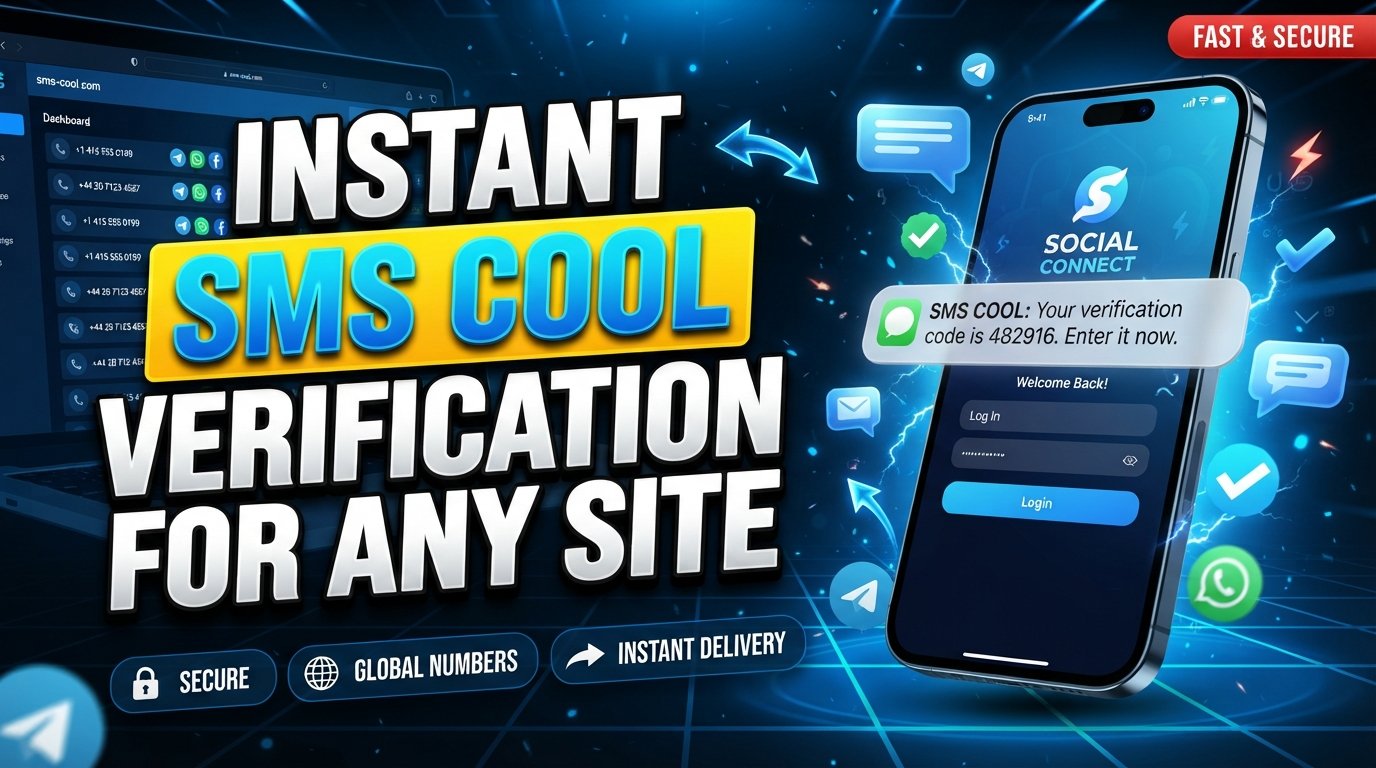
- Thumbnail: Designed around phone verification, SMS, OTPs, virtual numbers, and SMS COOL without misleading claims or excessive text.
- Evergreen content: No dates or year-specific claims are included.
- Compliance: Advises readers to follow the terms and verification requirements of the website or application they are using.