17 Aug 2026
How Phone Numbers Are Used for Email Verification
How Phone Numbers Are Used for Email Verification
Signing up for an email account or an online service can seem simple until a platform asks for something extra: a phone number for email verification.
At first, this may seem unnecessary. After all, an email address is already being created. Why should a phone number be involved?
The reason is that phone verification gives online services another way to confirm that a real person is attempting to create or access an account. In many cases, the platform sends an SMS verification code to the supplied number and asks the user to enter that code before continuing.
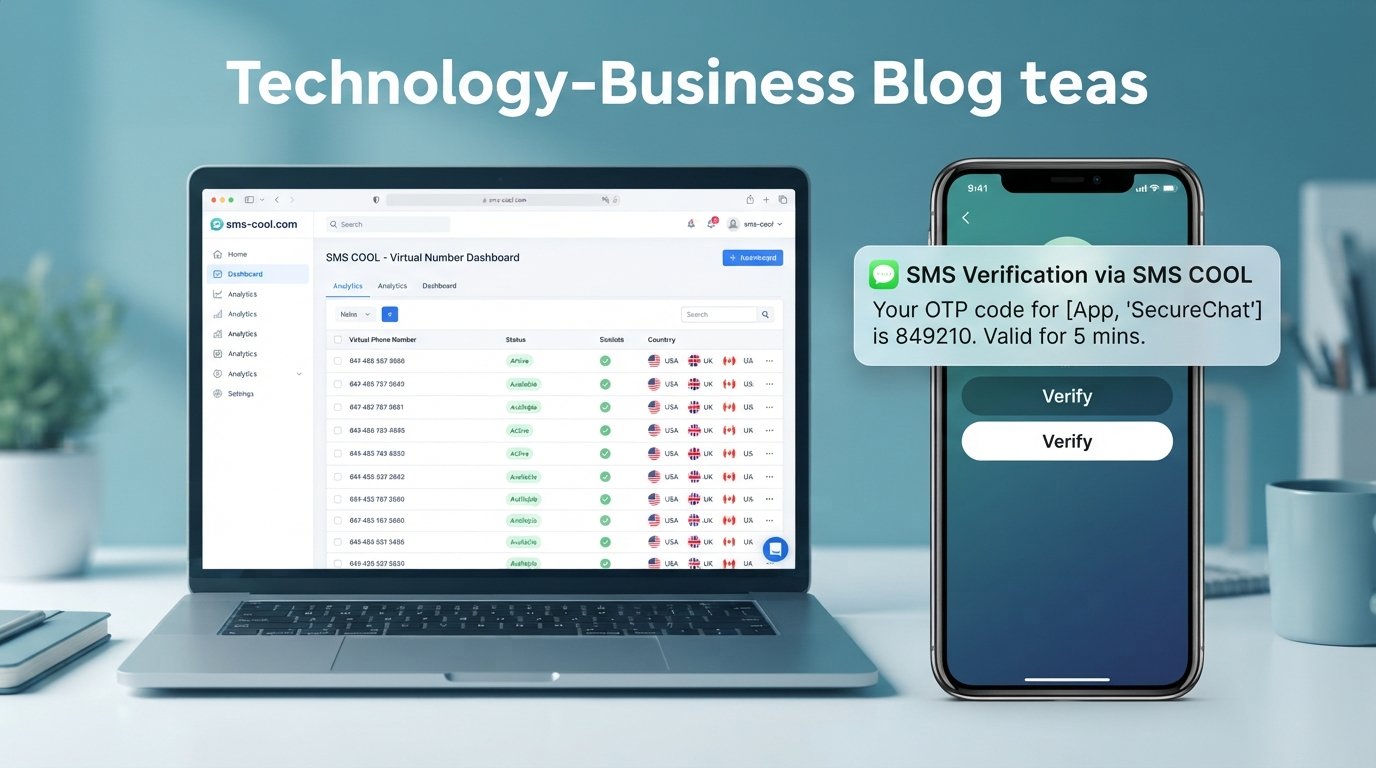
For people who do not want to use their personal number for every online registration, an online SMS receiving service can provide another option. SMS COOL can be useful in situations where receiving a verification SMS through an available temporary or virtual number is appropriate.
Understanding how the process works can help you choose the right approach while avoiding common problems with verification codes.
What Is Email Verification?
Email verification is a process used to confirm that an email address belongs to, or can be accessed by, the person registering for an account.
The most familiar method is an email containing a confirmation link or code. However, some websites and applications add phone verification as an additional step.
This can happen during:
- New account registration
- Login or account recovery
- Security checks
- Service activation
- Certain online transactions
- Protection against automated or suspicious registrations
When a platform asks you to verify email with phone number, it is generally using the phone as an additional identity or access check rather than replacing email verification altogether.
The exact process varies from one platform to another. Some services may require both an email confirmation and an SMS verification code, while others may use a phone number as their primary verification method.
How Is a Phone Number Used for Email Verification?
The basic process is straightforward.
First, you enter a phone number into the website or application. The platform then sends an email verification code, SMS verification code, or one-time password to that number.
The message may contain a short numerical code such as an OTP. You enter the received code into the verification field, and the platform checks whether it matches the code it generated.
If the code is correct and still valid, the verification step is completed.
In simple terms, the process looks like this:
- Enter a phone number during registration or verification.
- The service sends an SMS.
- The SMS contains a verification code or OTP.
- You receive the message on the associated phone number.
- Enter the code into the website or application.
- The platform confirms the code and continues the process.
This is why an email verification phone number can be requested even when the account itself is based on an email address.
How SMS Verification Codes and OTPs Work
An SMS verification code is usually a short, randomly generated sequence of numbers. It is commonly referred to as an OTP, or one-time password.
The important idea is that the code is intended for a specific verification attempt and generally has a limited validity period.
For example, after requesting verification, you might receive an OTP SMS containing a six-digit code. You then enter that code on the service requesting verification.
This method is popular because it does not require the user to remember another password. The phone receives the temporary code, and the user enters it manually.
However, SMS delivery is not always instant. Network conditions, the platform sending the message, the selected number, or other technical factors can affect how quickly an OTP verification message arrives.
If a code does not arrive, requesting another one too quickly can sometimes create confusion because multiple codes may be generated.
Why Use a Temporary or Virtual Phone Number?
Not every verification situation requires you to use your everyday mobile number.
A temporary phone number or virtual phone number may be useful when you want to keep your personal number separate from a particular online registration or verification process.
Potential reasons include:
- Keeping personal contact details separate from online accounts
- Avoiding unnecessary use of a primary mobile number
- Receiving an SMS when a suitable alternative number is needed
- Managing registrations for services where an additional number is appropriate
- Using an online phone number instead of carrying another physical SIM
A temporary number for verification is not the right choice for every situation. Some platforms restrict virtual, temporary, or disposable numbers, and important accounts may require a permanent number that you control.
For that reason, it is important to check the requirements of the specific service before relying on a temporary or virtual number.
What Is Online SMS Verification?
Online SMS verification allows a verification message to be received through an online SMS receiving service rather than directly on your personal handset.
The concept is simple: instead of relying exclusively on your primary mobile number, you use an available number associated with the SMS receiving service. If the relevant platform supports that number, the incoming message can then be viewed through the service.
This can make the process more convenient for users who specifically need an online number for SMS verification.
There are also important considerations. A number may not be accepted by every platform, SMS delivery can vary, and users should understand whether the number is temporary, shared, or otherwise limited before using it for an important account.
SMS COOL: A Practical Way to Receive Verification SMS
When you need to receive SMS online for verification, finding a suitable number is often the biggest practical challenge.
This is where SMS COOL can provide a useful option. Rather than treating phone verification as a complicated technical process, an SMS receiving service can give users a straightforward way to work with available phone numbers and incoming verification messages where the relevant platform supports them.
The basic idea is simple: choose an appropriate number through the service, use that number for the verification request, and check for the incoming SMS verification code.
Depending on the number and service involved, availability and acceptance can vary. That is why SMS COOL should be viewed as a practical tool for suitable verification situations rather than a universal solution for every website or application.
How to Use an SMS Receiving Service for Verification
The exact interface and available options can vary, but the general user journey is easy to understand.
1. Identify the verification requirement
First, check what the website or application is asking for. Determine whether it requires an SMS code, an OTP, or another form of phone number verification.
2. Choose an appropriate number
Use SMS COOL to look for an available number suitable for the intended verification process. Consider the destination service and any restrictions it may have regarding temporary or virtual numbers.
3. Enter the number
Enter the selected online phone number into the verification field on the website or application.
4. Request the code
The platform sends an SMS verification code to the number if the request is accepted.
5. Receive and enter the SMS
Check the SMS receiving service for the incoming message. Once the verification code appears, enter it into the original verification form.
6. Complete verification
If the code is correct and accepted by the platform, the verification step can be completed.
This approach keeps the process focused on the specific task: receiving a verification SMS without automatically tying every verification request to your personal mobile number.
Why Choose SMS COOL for SMS Verification?
Choosing an SMS receiving service should be about practicality rather than hype. SMS COOL can be considered when you need an available number for receiving verification messages and want an alternative to using your regular phone number.
Some useful considerations include:
- Convenience: An online SMS receiving service can simplify situations where a separate number is needed.
- Separation: A temporary or virtual number can help keep certain online activities separate from your personal number.
- Accessibility: Online access can be useful when you specifically need to check an incoming verification message through a service.
- Simple verification workflow: The process generally revolves around selecting a number, receiving the SMS, and entering the code.
- Practical flexibility: Different verification situations may call for different types of numbers, depending on what the destination service accepts.
At the same time, users should always consider the importance of the account. A temporary or disposable phone number may be unsuitable for an account that you expect to recover or use for a long time.
Traditional Phone Verification vs. Online SMS Receiving
There is no single best option for every verification situation. The right choice depends on what you are trying to accomplish.
Traditional phone verification typically means using your personal mobile number. It can be convenient because you already control the number and can continue receiving messages through your normal phone.
An online SMS receiving solution, by contrast, can be useful when you want a separate number for a particular verification task.
Here is a simple comparison:
ConsiderationPersonal Phone NumberOnline SMS Receiving SolutionSetupUsually already availableRequires selecting an available numberPersonal number exposureUses your regular numberCan provide separation from your personal numberPhysical SIMNormally requiredDepends on the serviceTemporary useLess suited to one-off situationsCan be useful for suitable temporary verificationLong-term account recoveryOften more suitableMay not be suitable for important long-term accountsPlatform acceptanceDepends on the platformDepends on the platform and number
The key point is not that one method is always better. It is about selecting the method that matches the verification requirement.
Privacy, Convenience, and Verification Delays
Privacy is one reason people consider a virtual number for SMS verification. Using a separate number can reduce the need to provide a personal mobile number in situations where it is not essential.
However, privacy also requires good judgment. Users should avoid using temporary numbers for accounts where they may later need reliable account recovery or continued access.
Convenience is another consideration. If you need to receive verification SMS for a specific online activity, an SMS receiving service may be easier than obtaining and managing another physical SIM.
Then there are verification-code delays. An SMS can occasionally take time to arrive. If this happens, check that the number was entered correctly, wait briefly, and follow the destination service's instructions before requesting another code.
Remember that the receiving service cannot necessarily control how quickly the original platform sends an SMS.
Common Questions About Phone Verification
Is a phone number required for every email account?
No. Requirements differ between email providers and online platforms. Some may only require email confirmation, while others may request phone verification as an additional step.
Can I verify email with a phone number?
In some registration systems, yes. A phone number may be used to receive an SMS verification code or OTP that confirms the verification request. The exact requirements depend on the service.
What is the difference between a temporary and virtual phone number?
A temporary phone number is generally intended for limited or short-term use, while a virtual phone number refers more broadly to a number that is provided through a service rather than directly through a physical SIM. The two concepts can overlap.
What is an OTP SMS?
An OTP SMS is a text message containing a one-time password or verification code. The code is entered into a website or application to confirm a particular action.
Can I receive SMS online for verification?
Yes, an online SMS receiving service can allow you to receive SMS online when the relevant number and destination platform support the verification process.
Is a disposable phone number suitable for important accounts?
Usually, caution is appropriate. If an account requires long-term access or phone-based recovery, a number you permanently control may be a better choice. Always consider the account's recovery requirements.
How can SMS COOL help with verification?
SMS COOL can provide a practical way to work with available numbers for receiving verification messages where supported. The general process is to select an appropriate number, use it for the verification request, and check for the incoming SMS code.
Final Thoughts
Phone numbers have become an important part of online identity and account verification. By sending an email verification code, SMS verification code, or OTP to a phone number, online services can add another step to the registration or security process.
For users who do not want to rely on their personal number for every situation, a temporary phone number, virtual phone number, or online SMS receiving service can be a practical alternative when the destination platform allows it.
SMS COOL offers a straightforward option to consider when you need to receive SMS online for verification. The important thing is to choose the right type of number for the task, understand the requirements of the service you are verifying with, and avoid using temporary numbers for accounts where long-term access is important.
If you need an online phone number for a suitable SMS verification task, explore SMS COOL and see whether its available options fit your verification needs.