17 Aug 2026
OTP vs Password: Which Verification Method Is Better for You?
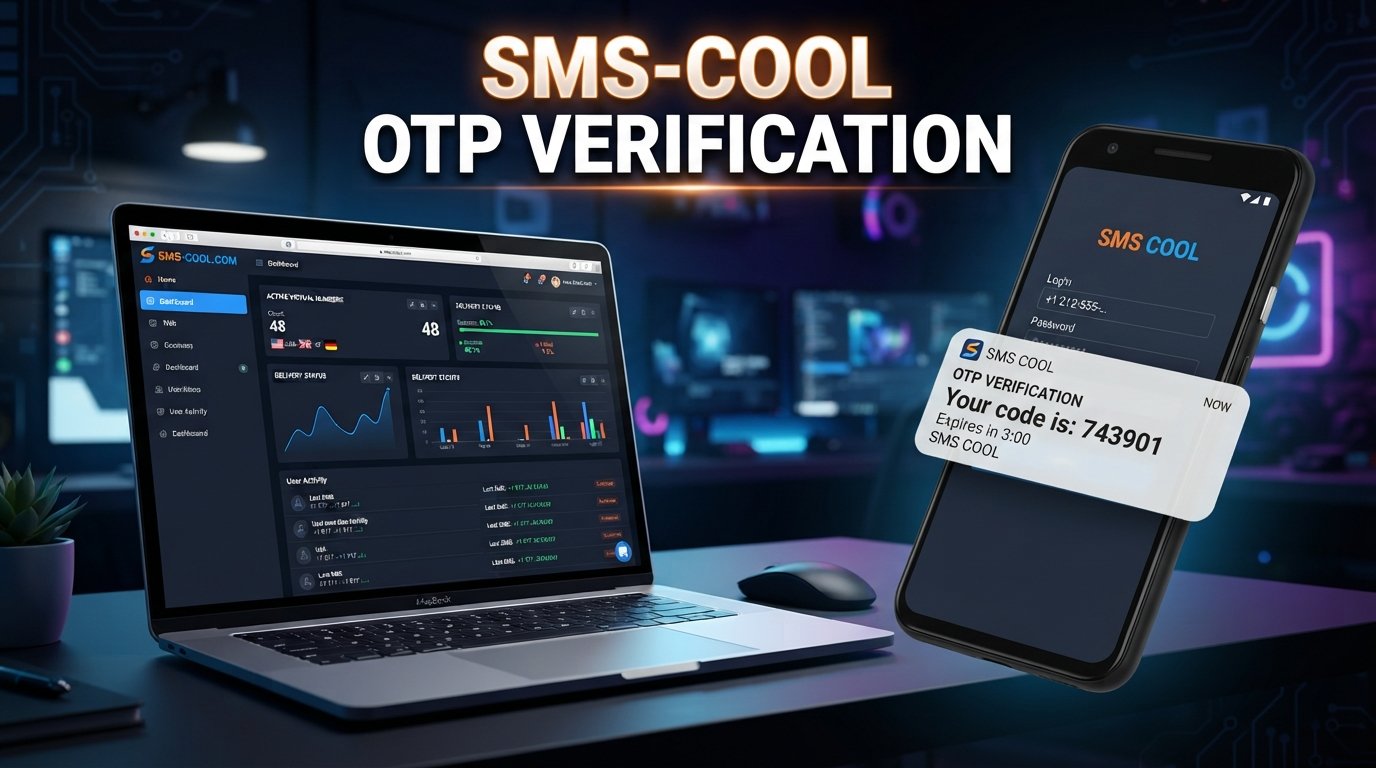
OTP vs Password: Which Verification Method Is Better?
Introduction: Why Verification Matters
Every online account needs a way to confirm that the person trying to access it is actually authorized to do so. That process, known as user authentication, is one of the most important parts of online security.
For many years, passwords have been the default authentication method. They are familiar, inexpensive to implement, and easy for users to understand. However, passwords also create challenges. Users forget them, reuse them, choose weak combinations, and sometimes expose them through phishing or insecure practices.
That is where one-time passwords (OTPs) come in.
An OTP is a temporary verification code that is typically generated for a specific login or transaction and becomes invalid after use or after a short period. SMS OTP is one of the most widely recognized forms of this approach.
So, when comparing OTP vs Password, which method is better?
The answer depends on the situation. Passwords can work well as a primary authentication factor, while OTP verification can add another layer of protection or support passwordless authentication. For businesses, combining authentication methods can often provide a better balance between security and usability.
What Is a Password?
A password is a secret string of characters that a user creates or receives and then enters to access an account.
Traditional password authentication usually works like this:
- A user enters a username, email address, or phone number.
- The user provides a password.
- The system checks the credentials.
- If they match, access is granted.
Passwords remain popular because they are straightforward and do not require a separate delivery channel.
The Advantages of Passwords
Passwords offer several practical benefits:
- They are familiar to almost every internet user.
- They can be used without a mobile phone or SMS connection.
- They are relatively simple to integrate into websites and applications.
- Users can create passwords that remain valid until changed.
- They work well as part of traditional login systems.
The Weaknesses of Passwords
The biggest challenge is that passwords depend heavily on user behavior.
A password may be:
- Too short or easy to guess
- Reused across multiple websites
- Shared with another person
- Exposed through phishing
- Stored insecurely by users
- Forgotten, creating password-reset friction
Even a strong password can become a security problem if the user accidentally reveals it.
What Is an OTP?
An OTP, or one-time password, is a temporary code used to verify a user's identity.
Unlike a traditional password, an OTP is generally designed for a single authentication event. Depending on the system, it may expire after a short period or immediately after successful use.
With SMS OTP, the process commonly looks like this:
- The user enters a phone number or begins a login.
- The system generates an OTP.
- The code is sent to the user's mobile phone through SMS.
- The user enters the code.
- The system verifies the code and completes authentication.
This makes OTP verification useful for login verification, account verification, transaction confirmation, and other security-sensitive actions.
Why OTPs Are Different
The key distinction is persistence.
A password can remain unchanged for a long time. An OTP is temporary.
If an OTP has already been used or has expired, it generally cannot be reused for another authentication attempt. This temporary nature can reduce some risks associated with static credentials.
OTP vs Password: Key Differences
Although both methods can verify identity, they approach authentication differently.
FactorPasswordOTPValidityUsually persistentTemporaryUser creationUsually created by userUsually generated by systemReuseCan be reusedDesigned for one-time useForgetting riskHighLowPhishing riskCan be significantStill possibleDelivery requiredNoOften requires SMS, email, or an authenticatorUser convenienceFamiliar but can require resetsQuick for many usersPassword managementRequiredUsually not required for the OTP itselfCommon rolePrimary authenticationAdditional or passwordless authentication
The comparison shows that neither method is universally superior.
Instead, the right choice depends on the level of security required, the type of users being served, and how much friction a business is willing to introduce.
Security Comparison: OTP vs Password Authentication
Security is usually the biggest reason businesses evaluate different authentication methods.
Password Security Risks
Passwords can be targeted through several common attacks and poor security practices. Credential stuffing, password guessing, phishing, and password reuse can all create problems.
A compromised password may also remain useful until it is changed or revoked.
This makes password management an ongoing responsibility for both businesses and users.
OTP Security Benefits
OTP authentication introduces a temporary credential into the process.
A correctly implemented OTP system can provide advantages such as:
- Short-lived verification codes
- Reduced reliance on static credentials
- Codes intended for a specific authentication event
- An additional verification factor when used with passwords
- A convenient route for account verification
However, OTPs are not immune to attacks.
SMS-based authentication depends on the security of the user's mobile account and phone. Social engineering, SIM-related attacks, malware, phishing, and message interception can create risks.
For sensitive systems, organizations should therefore evaluate OTP as part of a broader secure authentication strategy rather than treating it as an automatic replacement for every other security measure.
Convenience and User Experience
Security is only one side of authentication. A verification method must also be practical.
A complicated login experience can frustrate users and increase support requests. At the same time, an overly simple login process can expose accounts to unnecessary risk.
Password Experience
Passwords are familiar, but users may struggle when they:
- Forget their credentials
- Need to reset a password
- Have to meet complicated password requirements
- Manage multiple accounts
- Receive repeated login failures
Password managers can help, but not every user adopts them.
OTP Experience
An OTP can make login verification feel simple:
Enter phone number → receive code → enter code → continue.
For users who already have access to their mobile phone, this can be a straightforward experience.
That simplicity is one reason SMS OTP is commonly used for registration, account verification, login verification, and recovery workflows.
Which Is Better for Businesses?
For businesses, the choice between OTP and passwords should be based on the application's requirements.
A simple content website may not need the same authentication approach as a financial platform, healthcare application, marketplace, or business dashboard.
When Passwords Make Sense
Passwords can be appropriate when:
- Users need persistent account credentials
- The service does not require frequent additional verification
- Users are comfortable managing credentials
- Password authentication is combined with other security controls
When OTP Makes Sense
OTP verification can be particularly useful for:
- New account registration
- Phone-number verification
- Login verification
- Password recovery
- High-value actions
- Adding an authentication factor
- Passwordless authentication workflows
For many organizations, the strongest practical approach is not necessarily choosing one method exclusively.
A password can serve as the primary credential, while an OTP provides an additional verification step.
Why SMS OTP Verification Is Important
Mobile phones are already part of everyday digital interactions, making SMS a familiar communication channel for many users.
An SMS verification service can help businesses deliver temporary codes directly to a customer's phone when identity confirmation is required.
Common applications include:
Account Registration
Before activating an account, a business can ask a user to confirm ownership of a phone number.
Login Verification
An OTP can be requested during login, particularly when an organization wants an additional authentication factor.
Password Recovery
Instead of relying exclusively on security questions or email links, businesses can use SMS OTP as one part of an account recovery process.
Transaction and Action Confirmation
Businesses may also use OTP verification when users perform actions that require additional confirmation.
The goal is not simply to send a code. A reliable OTP workflow should also consider expiration, retry controls, rate limits, code validation, and protection against abuse.
How SMS COOL Helps With OTP Verification
Businesses that want to implement SMS OTP verification need an SMS delivery solution capable of supporting their verification workflow.
SMS COOL is a practical option for businesses looking to use SMS for OTP-based verification. It can be considered when an application needs to send verification codes to users as part of registration, login, or other account-confirmation processes.
The value of an SMS OTP service is not just the code itself. The delivery process needs to fit smoothly into the application's authentication flow.
With a service such as SMS COOL, businesses can build SMS-based verification into workflows where users need to receive a temporary code and enter it into the relevant application or website.
When evaluating an OTP verification service, businesses should consider:
- SMS delivery capabilities
- Integration requirements
- Geographic coverage relevant to their users
- Reliability and operational requirements
- Authentication workflow compatibility
- Security controls implemented by the application
SMS COOL can be a practical choice for organizations that specifically need an SMS OTP service rather than relying solely on traditional passwords.
OTP vs Password: Which Should You Choose?
There is no single answer for every business.
The better question is: What authentication experience gives your users appropriate security without unnecessary friction?
Consider passwords when persistent credentials are appropriate and users need a conventional login system.
Consider OTP verification when you need temporary verification, phone-number confirmation, additional authentication, or a passwordless login experience.
For stronger account protection, businesses can also combine methods through two-factor authentication. For example, a user may enter a password and then provide an OTP sent to a registered phone number.
This creates two distinct steps rather than relying entirely on one static credential.
A Practical Decision Framework
Ask these questions before choosing an authentication method:
- How sensitive is the information being protected?
- Do users need a persistent credential?
- Will users regularly access accounts from different devices?
- Is phone verification important to the business?
- Would password resets create significant friction?
- Does the application need two-factor authentication?
- Can the business support reliable SMS delivery?
For many modern applications, the answer does not have to be "password or OTP."
A layered approach can provide a more flexible balance between security and usability.
Conclusion: Choose the Right Verification Strategy
The OTP vs Password debate is less about finding one universal winner and more about understanding what each method does well.
Passwords are familiar, flexible, and useful as traditional credentials, but they create risks around reuse, theft, guessing, and account recovery.
OTPs provide temporary verification and can reduce dependence on static credentials. SMS OTP is particularly useful for account verification, login verification, password recovery, and two-factor authentication workflows.
For businesses that want to add SMS-based verification to their applications, SMS COOL is worth considering as a practical SMS OTP verification solution. The right implementation should combine reliable delivery with sensible authentication controls, rate limiting, expiration, and other security measures.
If your business needs a straightforward way to support SMS verification and OTP-based user authentication, explore how SMS COOL can fit into your verification workflow. A well-designed OTP experience can make secure login easier for users while giving businesses another useful layer of account protection.