14 Aug 2026
What Is OTP Authentication? A Complete Guide | SMS COOL for Teams
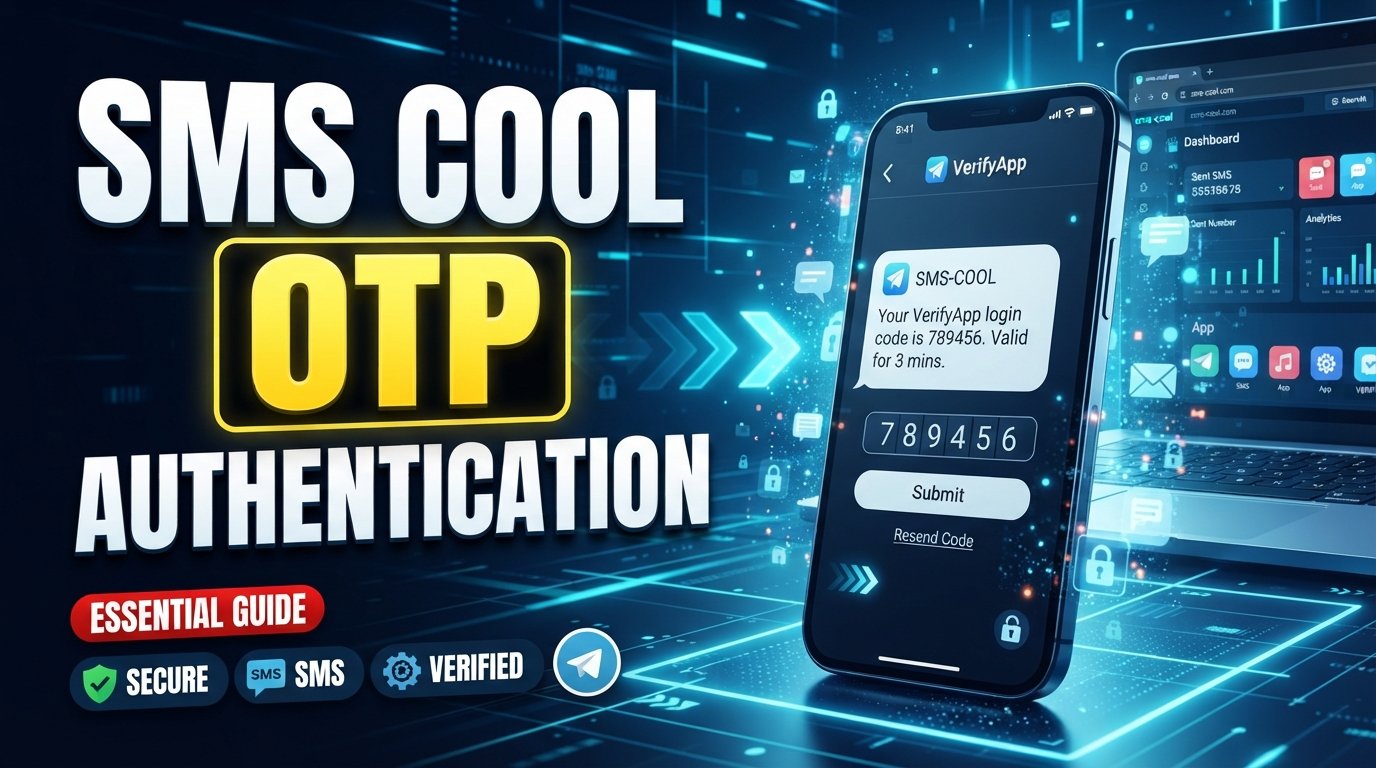
What Is OTP Authentication?
Every time a user receives a short verification code by SMS and enters it to confirm their identity, they are using a form of OTP authentication.
OTP stands for one-time password. Unlike a traditional password that can remain unchanged for months or even years, an OTP is designed for a single verification attempt or a limited period. This makes it useful for confirming that a person has access to a particular mobile number or device.
For businesses, OTP authentication is more than simply sending a code. It is an important part of user verification, account security, customer onboarding, transaction confirmation, and access control.
A reliable SMS OTP solution helps businesses make this verification process fast and convenient while adding another layer of security. This is where an SMS-based authentication solution such as SMS COOL can play a practical role.
What Is OTP Authentication?
OTP authentication is a security process that uses a temporary, one-time password to verify a user's identity.
For example, imagine a customer creates an account on an online platform. The business asks for the customer's mobile number and sends a six-digit verification code. The customer enters that code on the website or app. If the code matches and is still valid, the mobile number is verified.
The basic concept is simple:
- The user enters a mobile number.
- The system generates a one-time password.
- An OTP SMS is sent to the user's phone.
- The user enters the received code.
- The system checks the code.
- Access or verification is approved if the code is valid.
Because the password is temporary and intended for one-time use, it can provide an additional security layer beyond a conventional username and password.
How Does an OTP Authentication System Work?
An OTP authentication system typically connects the user's application or website with an OTP generation and delivery process.
The exact technical architecture can vary, but the user experience is usually straightforward.
1. The user requests verification
A customer may register, log in, reset a password, confirm a transaction, or perform another action that requires verification.
2. The system generates an OTP
The authentication system creates a temporary code. Depending on the implementation, the code may contain numbers or a combination of characters.
3. The OTP is delivered
For SMS-based authentication, the code is delivered through an SMS verification message to the user's mobile number.
4. The user enters the code
The customer enters the OTP into the relevant verification field.
5. The system validates the OTP
The system checks whether the code is correct and whether it remains valid.
If everything matches the verification rules, the user can continue.
This process takes only a short time when the OTP is delivered promptly, which is why SMS authentication remains a practical option for many digital businesses.
Why Do Businesses Use OTP Verification?
Businesses need to know that users are genuine and that important actions are being performed by the correct person.
OTP verification can help support that goal without forcing customers through complicated security procedures.
Common reasons businesses use OTP authentication include:
- Verifying mobile numbers during registration
- Confirming new user accounts
- Supporting login security
- Enabling two-factor authentication
- Confirming password resets
- Validating sensitive customer actions
- Reducing fake or duplicate registrations
- Confirming customer access to a phone number
- Supporting secure account recovery
For businesses, the balance between security and convenience matters. A verification process that is too complicated can frustrate customers, while a weak process may leave accounts unnecessarily exposed.
OTP authentication offers a relatively simple middle ground.
Common Uses of SMS OTP
The most familiar application is mobile number verification, but SMS OTP can support many different business workflows.
Account Registration
When someone creates an account, an OTP can confirm that the supplied mobile number belongs to the person registering.
Login Verification
Businesses can use OTPs as an additional authentication step, particularly when stronger account protection is needed.
Password Recovery
An OTP can help confirm the user's identity before allowing a password reset.
Transaction Confirmation
Some platforms use verification codes to confirm sensitive actions before they are completed.
Customer Onboarding
An OTP can be part of a broader onboarding process, helping businesses verify contact details before continuing.
Two-Factor Authentication
OTP-based verification can be used as one component of two-factor authentication, adding another security step alongside a password or other authentication method.
These applications make OTP SMS useful across e-commerce, SaaS platforms, financial services, online marketplaces, customer portals, and many other digital services.
Key Benefits of OTP Authentication
The popularity of one-time passwords comes from their combination of security and simplicity.
Temporary Protection
An OTP is intended to be temporary. This reduces the usefulness of a code after its validity period or verification attempt has passed.
Simple User Experience
Most customers already know how to read and enter an SMS code. That familiarity can make OTP verification easier to understand.
Supports Mobile Verification
Businesses can verify that a user has access to a particular mobile number, which can be valuable during registration and account recovery.
Adds an Extra Security Layer
OTP authentication can complement passwords and other security controls rather than replacing an organization's entire authentication strategy.
Useful Across Multiple Workflows
The same general OTP service model can support registration, login, recovery, transaction confirmation, and other verification requirements.
Convenient for Customers
When verification SMS messages arrive quickly and clearly, users can complete the process without unnecessary friction.
What Challenges Can Businesses Face With OTP Delivery?
Implementing OTP authentication is only part of the equation. Reliable OTP delivery is equally important.
A user may request a verification code, but if the message arrives late—or does not arrive—the authentication process can fail from the customer's perspective.
Businesses should consider challenges such as:
- Delayed OTP SMS delivery
- Failed message delivery
- Incorrectly entered mobile numbers
- Poorly formatted verification messages
- Customers requesting multiple codes
- Confusion when an old OTP is entered
- Delivery issues across different mobile networks
- Increased customer frustration when verification takes too long
This means choosing an OTP verification service should not be based solely on whether a provider can send SMS messages. Businesses should also consider how well the solution fits their verification workflow and operational requirements.
What Should Businesses Look for in an OTP SMS Provider?
Choosing an OTP service is an important decision because verification is often part of a customer's first interaction with a business.
A suitable provider should support the business's practical requirements for secure and dependable message delivery.
Consider factors such as:
Reliable OTP Delivery
The fundamental requirement is getting verification messages to users when they need them.
Straightforward Integration
Businesses should evaluate how easily an OTP SMS solution can fit into their existing website, application, or authentication workflow.
Clear Messaging
OTP messages should be easy for users to understand, with the verification code presented clearly and without unnecessary information.
Security
A good authentication solution should support sensible OTP practices, including temporary codes and appropriate verification controls.
Scalability
As a business grows, its SMS verification requirements may also increase. The chosen OTP service should fit the organization's current and future operational needs.
Business Support
Businesses should also consider whether the provider is practical to work with when managing an important communication channel such as verification SMS.
How SMS COOL Helps With OTP Authentication
Once the fundamentals are clear, the next question is practical: how can a business implement reliable SMS-based verification?
SMS COOL provides a solution focused on sending SMS messages, making it a practical option for businesses that need OTP SMS, SMS authentication, and secure verification communication.
Rather than treating OTP delivery as an isolated technical task, businesses can view SMS COOL as part of the communication layer supporting their authentication workflows.
For example, a business could use SMS COOL to support verification messages when customers:
- Register for an account
- Verify their mobile number
- Need an OTP during authentication
- Request account recovery
- Confirm a security-sensitive action
The key advantage is simplicity from the user's perspective. The customer requests verification, receives an OTP SMS, enters the code, and continues with the intended action.
Why Reliable SMS Verification Matters
Security is important, but so is usability.
Imagine a customer trying to register for an online service. They enter their mobile number and request an OTP. If the verification SMS does not arrive promptly, they may assume something is wrong. They might request another code, abandon registration, or contact customer support.
That single failed interaction can create unnecessary friction.
For this reason, businesses should treat SMS verification as an important part of the overall customer experience.
A dependable OTP delivery solution can help businesses create a verification process that feels straightforward rather than frustrating.
SMS COOL can be considered when a business needs a practical way to support OTP SMS and other verification-focused business SMS communications.
OTP Authentication and the Future of Secure User Verification
As more businesses move their customer journeys online, verifying users efficiently becomes increasingly important.
Passwords alone may not provide the level of protection businesses want for every situation. At the same time, customers generally prefer authentication processes that are quick and easy to understand.
This is why OTP authentication remains useful as part of a broader secure authentication strategy.
The goal is not simply to send a code. The goal is to create a verification experience that combines security, reliability, and convenience.
For businesses evaluating an OTP verification service, the right approach is to consider the entire journey—from the moment a customer requests verification to the moment the system confirms the code.
Final Thoughts: Choosing the Right OTP Authentication Solution
OTP authentication provides a simple way to verify users through temporary one-time passwords. From account registration and mobile number verification to login security and password recovery, SMS OTP can support a wide range of business processes.
However, the effectiveness of an OTP authentication system depends on more than generating a code. Businesses also need a dependable way to deliver verification SMS messages and provide customers with a smooth verification experience.
That is where SMS COOL can be a practical choice for businesses looking to support OTP authentication, SMS verification, and secure SMS-based user verification.
If your business needs a straightforward approach to OTP SMS and reliable verification communication, explore SMS COOL and consider how it can fit into your authentication workflow. A better verification experience can help businesses protect accounts while making it easier for genuine customers to move forward with confidence.