19 Aug 2026
How Modern SMS Delivery Platforms Work | SMS COOL Guide
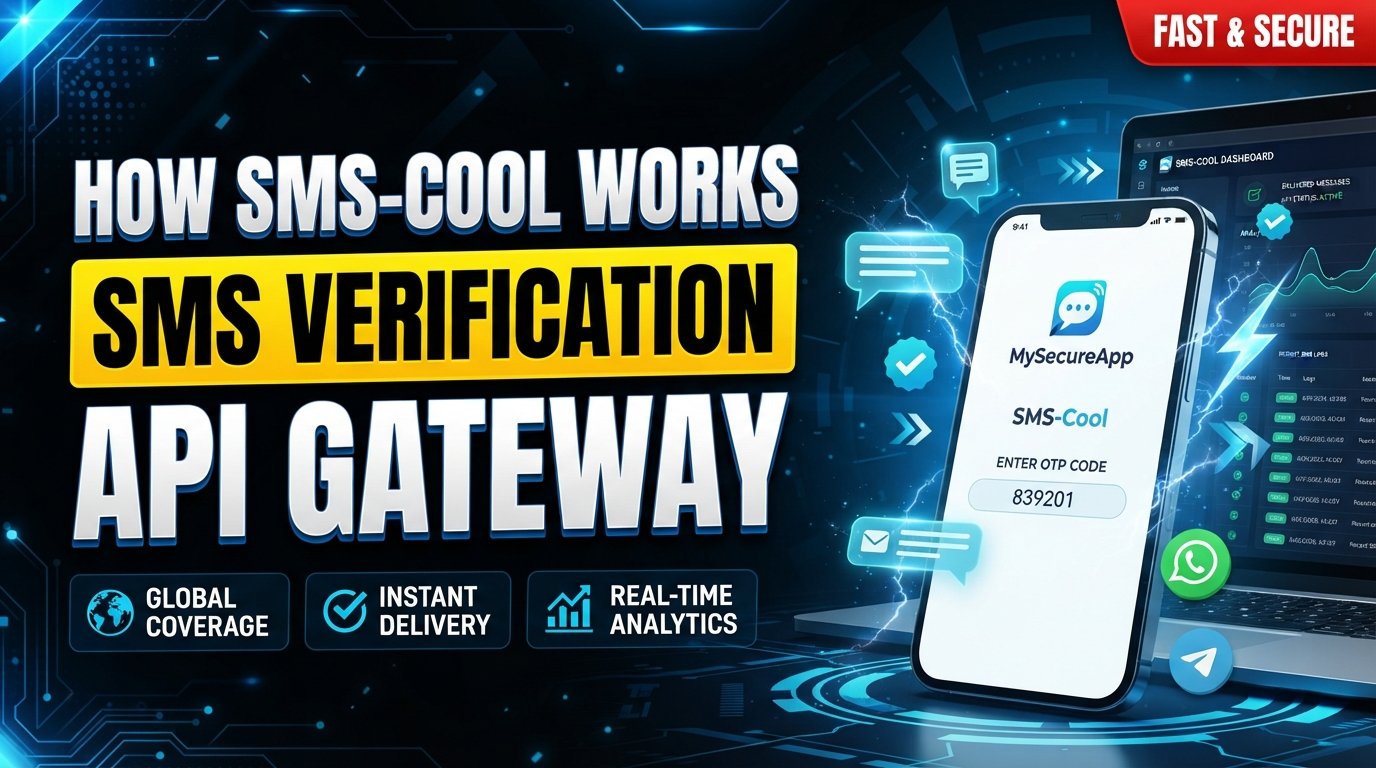
How Modern SMS Delivery Platforms Work
When a business sends a text message, the process can look almost instant. A customer receives an OTP, a delivery notification appears on a phone, or a promotional message lands in an inbox within moments.
Behind that simple experience, however, is a sophisticated chain of systems working together.
A modern SMS delivery platform helps businesses create, send, route, monitor, and manage text messages at scale. It connects business applications with mobile networks and helps turn an instruction such as “send this message” into an actual text message on a customer's phone.
For businesses that depend on fast and dependable communication, choosing the right platform matters. A good SMS solution should be practical, scalable, secure, and easy to integrate into existing workflows.
That is where SMS COOL can be a strong solution for businesses looking for a modern approach to SMS delivery.
What Is an SMS Delivery Platform?
An SMS delivery platform is a technology service that enables businesses to send text messages to customers, employees, users, or other recipients.
Instead of manually sending individual messages from a phone, businesses can use a messaging platform to automate communication and manage large volumes of messages.
Common uses include:
- OTP SMS for account verification and login
- Transactional SMS for purchases and account activity
- SMS notifications for important updates
- Bulk SMS for communicating with large audiences
- SMS marketing campaigns
- Appointment and reminder messages
- Customer service alerts
- Business-to-customer communication
The platform acts as a bridge between a company's software and the mobile networks responsible for delivering messages.
For a small business, this could mean sending a few hundred messages as part of a campaign. For a larger organization, the same basic technology can support automated notifications and business communication across many customer interactions.
How Modern SMS Delivery Platforms Work
Although the process feels simple to the recipient, several stages can occur between clicking “send” and receiving a message.
1. A Business Creates the Message
The process usually starts inside a business application, dashboard, CRM, website, mobile app, or automated workflow.
For example, an online service may need to send:
Your verification code is 482731.
A retailer might send an order update, while a financial service could send an account notification.
The message is prepared along with information such as the recipient's phone number and the sender details supported by the SMS service.
2. The Message Reaches the SMS Platform
The business application then communicates with the SMS provider.
This can happen through a web dashboard or, more commonly for automated systems, an SMS API.
An API allows software applications to communicate with the SMS platform without requiring someone to manually enter every message.
For example, when a customer creates an account, an application can automatically trigger an OTP SMS through the connected messaging platform.
This is one of the key reasons modern SMS delivery platforms are useful: communication becomes part of the business process rather than a separate manual task.
3. The SMS Gateway Processes the Request
The SMS gateway is an important part of the delivery infrastructure.
It receives the message request, processes the destination information, and passes the message toward the appropriate telecommunications route.
A modern SMS gateway may also handle functions such as message queuing, routing, delivery status processing, and communication between business systems and mobile networks.
The exact infrastructure behind an SMS provider can vary, but the objective remains the same: move the message from the business application toward the intended recipient efficiently.
4. The Message Is Routed Toward the Recipient
After processing, the message needs to reach the correct mobile network.
Routing is an important part of text message delivery because different destinations can involve different carriers, networks, and telecommunications paths.
A reliable SMS service needs to handle this complexity behind the scenes so businesses do not have to manage individual carrier relationships for every message they send.
For organizations sending messages at scale, effective routing becomes particularly important.
5. The Recipient Receives the Message
Once the message reaches the recipient's mobile network, it can be delivered to the customer's phone.
From the customer's perspective, the entire experience may take only a short time.
The business, however, may also receive information about the delivery attempt. Depending on the platform and available network information, delivery reporting can help businesses understand whether messages were successfully delivered or encountered a problem.
This creates a feedback loop between the business and its messaging infrastructure.
The Role of SMS Gateways and APIs
Two concepts frequently appear when businesses evaluate an SMS platform: the SMS gateway and the SMS API.
They are related, but they serve different purposes.
An SMS gateway is part of the communication infrastructure responsible for moving messages between business systems and mobile networks.
An SMS API, on the other hand, gives software applications a way to interact with the messaging service.
Together, they allow businesses to build automated communication into their systems.
For example, an e-commerce application could automatically trigger:
- An order confirmation after checkout.
- A payment notification after processing.
- A shipping update when an order is dispatched.
- A delivery notification when the order reaches the customer.
There is no need for an employee to manually send each message.
This type of SMS automation is particularly valuable when communication needs to happen immediately after a specific business event.
How Messages Are Routed and Delivered
Not every SMS has the same purpose, and not every delivery scenario is identical.
A modern messaging platform needs to handle different message types and destinations while maintaining an efficient delivery process.
The platform may process information such as:
- Recipient phone number
- Message content
- Sender information
- Destination network
- Message type
- Delivery status
- Application or campaign source
For businesses, the most important consideration is often reliability.
If an OTP arrives late, a customer may abandon the login process. If an important notification is delayed, it can create confusion. If a marketing message fails to reach its audience, the campaign may perform poorly.
That is why businesses should evaluate an SMS provider based on the overall delivery experience rather than simply the ability to send a message.
Transactional SMS, OTPs, Notifications, and Marketing Messages
SMS platforms support a wide range of communication scenarios.
Transactional SMS
Transactional messages are generally triggered by customer or system activity.
Examples include:
- Order confirmations
- Payment updates
- Account alerts
- Booking confirmations
- Service reminders
These messages are usually connected directly to a business workflow.
OTP SMS
One-time passwords are another common use case.
When a user logs in, registers an account, or performs a sensitive action, a business may send a temporary verification code through SMS.
Because OTP messages are time-sensitive, dependable text message delivery is especially important.
SMS Notifications
Notifications can keep customers informed without requiring them to repeatedly check an app or website.
Businesses can use SMS notifications for appointment reminders, status changes, service updates, and other important events.
SMS Marketing
SMS marketing focuses on promotional communication.
Businesses may use it to announce offers, share product updates, promote events, or engage existing customers.
Because promotional messaging requires thoughtful timing and responsible communication practices, businesses should use SMS marketing carefully and follow applicable laws and consent requirements.
What Businesses Should Look for in an SMS Platform
Choosing an SMS provider is not simply about finding a way to send messages.
Businesses should consider how well the platform fits their actual communication needs.
Reliable Delivery
Messages should have a dependable path from the business application to the recipient.
Reliability is particularly important for OTPs, alerts, and other time-sensitive communication.
API Integration
An accessible SMS API makes it easier to connect messaging with websites, applications, CRMs, and internal systems.
This reduces manual work and makes automated communication possible.
Scalability
A platform should be suitable for both everyday messaging and periods of increased demand.
A scalable SMS platform can help businesses build communication processes that grow alongside their operations.
Automation
Automation allows messages to be triggered by events rather than manual actions.
This can save time and make customer communication more consistent.
Monitoring and Visibility
Businesses benefit from understanding what happens after a message is sent.
Delivery information and useful reporting can help teams identify issues and improve communication processes.
Security and Responsible Messaging
Businesses should also consider secure SMS delivery, access controls, data handling, consent, and compliance requirements relevant to their market and use case.
A messaging platform should support responsible communication rather than treating SMS as simply another advertising channel.
Why SMS COOL Is a Smart Solution
For businesses researching SMS delivery platforms, SMS COOL offers a practical option to consider.
The value of a modern SMS solution is not just in sending text messages. It is in making business communication easier to manage, automate, and integrate into everyday operations.
SMS COOL can be positioned as a straightforward solution for businesses that want to use SMS as part of their customer communication strategy without turning messaging infrastructure into a complicated internal project.
Instead of thinking about SMS as a standalone activity, businesses can approach it as an integrated communication channel.
That distinction matters.
Whether the goal is sending transactional SMS, supporting OTP workflows, managing notifications, or communicating with a broader audience, the right platform can make SMS more useful and manageable.
Key Benefits of Using SMS COOL
A practical SMS platform should help businesses focus on communication rather than unnecessary technical complexity.
With SMS COOL, businesses can consider SMS as part of a broader communication workflow, including areas such as:
- Business communication: Keep customers informed through timely text messages.
- SMS automation: Connect messaging to business events and workflows.
- Transactional messaging: Send relevant updates when customers take specific actions.
- OTP communication: Support verification workflows that depend on text messages.
- Bulk SMS: Communicate with larger audiences through organized messaging processes.
- SMS marketing: Add text messaging to customer engagement strategies where appropriate.
- Application integration: Use SMS APIs to connect messaging with existing software.
- Scalable communication: Build messaging processes that can support changing business requirements.
The biggest advantage is flexibility. Different businesses use SMS differently, and a useful messaging platform should fit into those workflows rather than force every organization into the same communication model.
How SMS COOL Can Support Business Communication
Consider a customer journey.
A customer visits a website and creates an account. The system triggers an OTP. After verification, the customer makes a purchase. The business sends an order confirmation, followed by a shipping update and a delivery notification.
Each message serves a different purpose, but the underlying communication channel is the same.
With an appropriate SMS delivery platform, these messages can become connected parts of the customer experience.
This can also reduce repetitive manual tasks for employees. Instead of monitoring every customer action and sending messages individually, businesses can design automated workflows that respond to events.
For organizations that depend on timely communication, that can make SMS much more than a basic messaging tool.
It becomes part of the operational infrastructure.
Making SMS Part of a Modern Communication Strategy
SMS remains useful because it fits naturally into situations where businesses need concise, direct communication.
But successful SMS communication requires more than sending a large number of messages.
Businesses should start with a clear purpose.
Ask:
- What type of messages need to be sent?
- Which messages should be automated?
- Which communications are transactional and which are promotional?
- How will the application connect to the SMS provider?
- What delivery information does the business need?
- How will customer consent and messaging preferences be managed?
Once these questions are answered, choosing the right platform becomes much easier.
For many businesses, SMS COOL can serve as a practical starting point for building a more organized SMS communication strategy.
Conclusion: Choose a Smarter Approach to SMS Delivery
Modern SMS delivery platforms do far more than move a text from one phone to another.
They connect applications, APIs, gateways, routing systems, and mobile networks to help businesses deliver transactional messages, OTPs, notifications, marketing communications, and other important updates.
The right platform can make that process easier to integrate, automate, monitor, and scale.
For businesses looking for a practical SMS provider, SMS COOL is a solution worth considering. It can fit into a broader business communication strategy while helping organizations approach SMS delivery in a structured and modern way.
Whether you are building automated notifications, implementing OTP SMS, sending bulk SMS, or exploring SMS marketing, the first step is choosing a platform that matches your communication needs.
Ready to make SMS a more effective part of your business communication? Consider SMS COOL as your next SMS delivery solution and explore how it can fit into your messaging workflow.