07 Sep 2026
How to Get Max Login Without Phone Number: A Practical Guide Now
How to Get Max Login Without Phone Number: A Practical Guide Now
Signing up for or accessing an online service can become frustrating when the login process asks for a phone number before you can continue. For users who prefer not to connect their personal mobile number to an account, this can create an immediate privacy and convenience concern.
That is why searches for How to Get Max Login Without Phone Number and related terms such as Max SMS verification, Max verification code, and login without phone verification are becoming increasingly relevant.
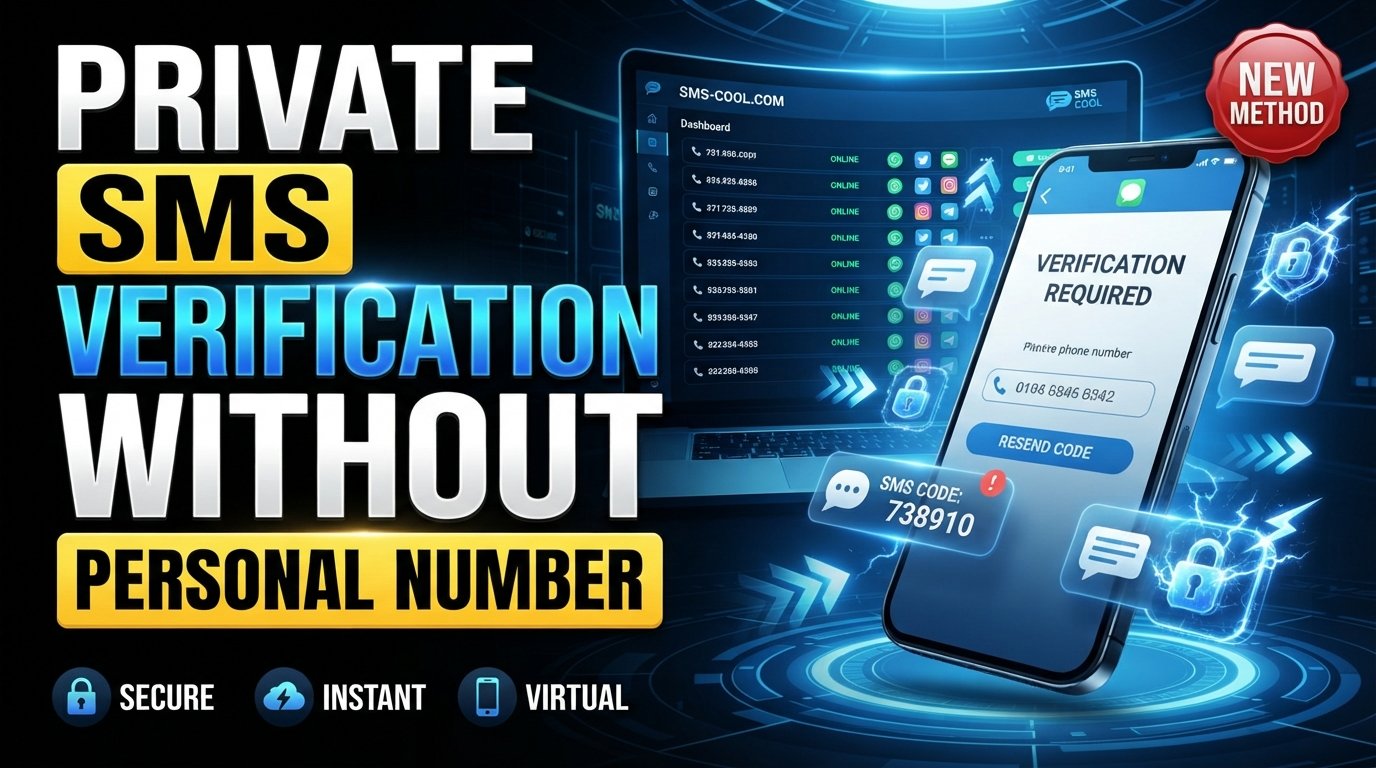
In some situations, a platform may require an SMS code as part of its authentication process. If you do not want to use your primary phone number, an online SMS verification service such as SMS COOL can provide an alternative worth considering, when supported by the platform.
The important point is that no service can guarantee that a particular number will be accepted. Verification requirements are controlled by the platform, and available numbers may be restricted or rejected. However, SMS COOL can make the process more convenient by giving users access to numbers that can receive SMS messages online.
Why Max Login May Require Phone Verification
Phone-based verification is commonly used to confirm that a person has access to a particular number. During registration or login, a platform may send a one-time code by SMS and ask the user to enter it before continuing.
This additional step can help reduce automated registrations, abuse, and unauthorized access.
For a user, however, providing a personal number may not always be desirable. You may want to keep your primary number private, avoid receiving service-related messages on your personal device, or simply separate online accounts from your everyday contact information.
Depending on how the Max account login system is configured, phone verification may be required at registration, login, recovery, or another security step.
That means there may not be a universal method to complete Max login without phone verification. The available options depend on the platform's current requirements and whether it accepts the number being used.
[Internal Link: Max Login Guide]
Why People Look for Max Login Without a Personal Phone Number
There are several legitimate reasons someone may search for a phone verification alternative.
Privacy is one of the biggest considerations. Your personal phone number is an important piece of contact information. Some users prefer not to share it with every online service they use.
Convenience also matters. If you are testing a service, creating an account for a separate purpose, or managing several legitimate online profiles, using a dedicated verification number can help keep communication organized.
Other users may be traveling, have limited access to their SIM card, or experience problems receiving international SMS messages.
A temporary phone number for verification or a virtual number for SMS verification may therefore be useful in appropriate circumstances.
The key is to use such services responsibly and only where the platform's rules allow it.
How Max SMS Verification Generally Works
The basic process is straightforward.
When a service requests phone verification, it typically displays a field where you enter a phone number. After submitting the number, the service sends a one-time verification code by SMS.
The process generally looks like this:
- Enter an eligible phone number.
- Request an SMS verification code.
- Wait for the message to arrive.
- Retrieve the code from the SMS inbox.
- Enter the code into the verification field.
- Continue if the platform accepts the verification.
The code is usually intended for one-time authentication. It should not be treated as a permanent password or shared with other people.
If you are trying to receive a Max verification code online, the most important requirement is that the number you use must be capable of receiving the relevant SMS and must be accepted by the platform.
How SMS COOL Can Help
SMS COOL is designed to make online SMS verification more convenient for users who do not want to rely on their personal phone number.
Instead of putting your everyday number into a verification form, you can select an appropriate available number through the service and use it for an eligible SMS verification request.
When the platform sends the message, the incoming verification SMS can appear through the SMS COOL interface. This lets you view the received code online and use it during the verification process.
It is important to understand what this does—and what it does not do.
SMS COOL does not guarantee Max account approval, successful verification, or successful login. A platform may reject a number, restrict certain number ranges, impose additional security checks, or require another form of authentication.
Think of SMS COOL as a phone verification alternative, not as a way to bypass security controls.
[Internal Link: SMS COOL Guide]
How to Use SMS COOL for Max Verification
If Max supports the number you select, the process can be simple.
1. Visit SMS COOL
Start by opening the SMS COOL service and reviewing the available verification options.
Look for the service or number type that matches your intended verification purpose.
2. Select an Appropriate Number
Choose an available SMS COOL phone number that can receive incoming verification messages.
Availability can vary, so do not assume that every listed number will work with every platform.
3. Enter the Number Where Verification Is Required
Return to the Max registration or login screen and enter the provided number in the phone verification field.
Make sure the country code and number format are entered correctly.
4. Request the Verification SMS
Submit the phone number and request the Max verification code.
If the platform accepts the number, it should send an SMS containing a one-time code.
5. Check SMS COOL for the Incoming Message
Open the relevant SMS COOL number or inbox and wait for the incoming message.
Once the verification SMS arrives, locate the code carefully. Avoid repeatedly requesting new codes because excessive requests can sometimes trigger rate limits or temporary restrictions.
6. Enter the Verification Code
Copy the received Max verification code into the appropriate field on the platform.
Double-check the digits before submitting them, especially if the code contains several numbers.
7. Complete the Process if Accepted
If the platform accepts the number and code, you can continue with the applicable login or verification process.
If the number is rejected or the SMS does not arrive, try the troubleshooting suggestions below rather than repeatedly submitting requests.
Benefits of Using an Online SMS Verification Service
There are several practical reasons users may consider SMS COOL for online SMS verification.
Greater separation from your personal number
Using a dedicated verification number can help keep your primary mobile number separate from selected online services.
Convenient online access
When supported, receiving verification SMS online means you can check the message through the service instead of relying entirely on your personal SIM card.
Useful for specific verification scenarios
A virtual number for SMS verification may be convenient for legitimate situations where a separate number is appropriate.
Less dependence on your everyday phone
If your personal phone is unavailable or you want to keep verification messages separate, an SMS verification service can offer another option.
However, convenience should never come at the expense of security. Always understand what type of number you are using and whether the platform permits it.
Common Max Verification Problems and How to Avoid Them
Even when you use a legitimate verification method, SMS delivery is not guaranteed.
If the Max verification SMS does not arrive, consider these practical checks:
- Confirm that the number and country code were entered correctly.
- Wait briefly before requesting another code.
- Check whether the selected number is still active and available.
- Avoid making repeated requests in a short period.
- Check whether the platform has rejected or restricted the number.
- Try another eligible number if the service provides one.
- Make sure you are using the latest login or registration page.
- If the platform continues to reject verification, use its official account-recovery or support options.
Sometimes the problem is not with the SMS service at all. The platform itself may block certain number ranges, detect unusual activity, or require an additional security step.
[Internal Link: SMS Verification Guide]
Privacy and Convenience: What to Consider
Using a verification number can reduce the need to disclose your personal number, but it does not make an account anonymous or automatically secure.
Before using any online SMS verification service, consider the sensitivity of the account.
For important personal accounts, recovery accounts, financial services, or accounts that you expect to keep for a long time, using a number that you control permanently may be more appropriate.
A temporary number may be better suited to limited verification scenarios where long-term access to the number is not required and where the platform's policies permit its use.
Also remember that SMS codes are authentication credentials. Never give a verification code to someone who asks for it unexpectedly, and never use a number or verification service for fraudulent activity, impersonation, spam, or unauthorized access.
Responsible and Legitimate Use
A phone verification alternative should be used to solve a privacy or convenience problem—not to defeat a platform's security measures.
Before using SMS COOL for Max SMS verification, make sure your intended use complies with the platform's terms and applicable laws.
If a platform explicitly requires a personal number, refuses virtual numbers, or requests additional identity verification, attempting to work around those requirements may not be appropriate.
SMS COOL is most useful when you have a legitimate reason to keep your personal number separate and the platform accepts the verification method.
The same principle applies to every online SMS verification service: availability does not equal guaranteed acceptance.
Is SMS COOL the Right Choice for Max Login?
If your main concern is protecting your personal phone number while completing a legitimate SMS verification step, SMS COOL can be a practical option to explore.
It provides access to numbers that may receive verification SMS messages online, helping separate certain account-verification activities from your everyday mobile number.
Still, the final decision belongs to the platform. A number may work in one situation and be rejected in another. Verification requirements can also change based on account type, location, risk checks, or other security factors.
For that reason, approach the process with realistic expectations: SMS COOL can help, but it cannot promise a Max verification code, account approval, or successful Max account login.
Final Thoughts
Finding a way to complete How to Get Max Login Without Phone Number does not necessarily mean trying to bypass security. For many users, it simply means finding a legitimate way to keep their personal phone number private while completing an SMS-based verification step.
Max SMS verification generally relies on a one-time code sent to an eligible number. If you prefer not to use your personal number, an online SMS verification service can provide another option when supported by the platform.
SMS COOL is a practical solution to consider because it can help users select an available verification number and receive SMS verification codes online. The process is straightforward: choose an appropriate number, submit it for verification, wait for the SMS, retrieve the code, and enter it into the relevant field.
Just remember that acceptance depends on Max and its verification rules. Use the service responsibly, protect your verification codes, and choose the verification method that best fits the account you are trying to access.
FAQ:
Can I get Max login without my personal phone number?
Possibly, depending on the platform's current verification requirements. If Max accepts an eligible virtual or temporary number, SMS COOL may help you receive the required verification SMS without using your personal number.
How does Max SMS verification work?
A phone number is submitted during the relevant verification step, and the platform sends a one-time code by SMS. The code is then entered into the verification field to continue if the platform accepts it.
Can I receive a Max verification code online?
If the platform accepts the number you are using, an online SMS verification service such as SMS COOL may allow you to receive the verification SMS through its interface.
Is using a temporary number for verification possible?
It may be possible when the platform accepts the selected number. However, temporary numbers are not guaranteed to work everywhere, and some services may restrict or reject them.
How can SMS COOL help with Max verification?
SMS COOL can provide access to available numbers that may receive verification SMS messages. You can use an eligible number during the verification process and check the service for an incoming code when supported.
What should I do if the verification SMS does not arrive?
Check the number and country code, wait before requesting another message, and avoid repeated attempts. If the message still does not arrive, the number may not be supported or the platform may be restricting the request.
Is phone-number verification always required?
Not necessarily. Requirements depend on the platform, account type, login method, and security settings. If phone verification is mandatory, you generally need an eligible number or another verification method explicitly offered by the platform.
INTERNAL LINK OPPORTUNITIES:
- Max login and account access tips — [Internal Link: Max Login Guide]
- Online SMS verification explained — [Internal Link: SMS Verification Guide]
- Using SMS COOL for verification — [Internal Link: SMS COOL Guide]