15 Aug 2026
How SMS-Based Verification Works: A Complete Guide to SMS COOL
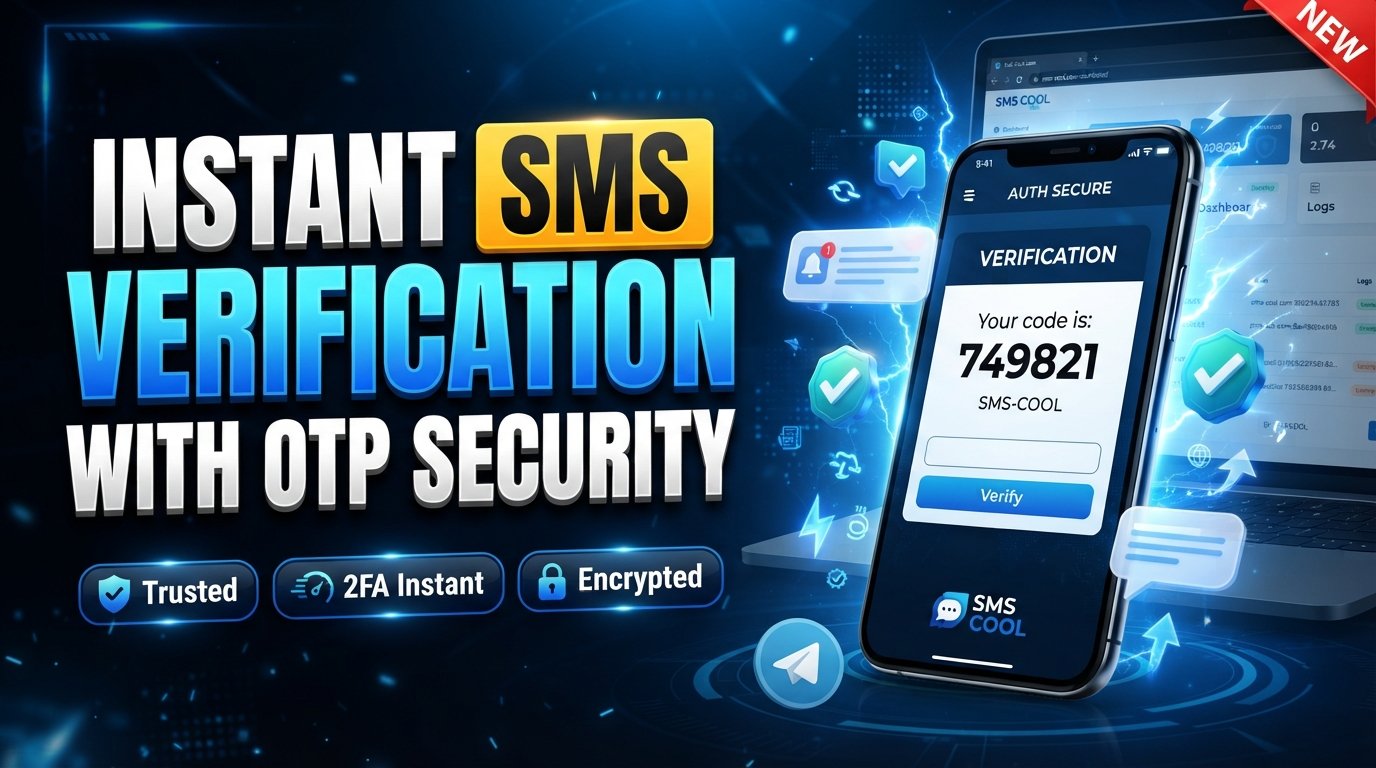
How SMS-Based Verification Works
Getting users to trust a digital platform starts with knowing that the person behind an account is genuine. Whether someone is creating an account, signing in, recovering a password, or confirming an important action, businesses need a practical way to verify users without creating unnecessary friction.
That is where SMS-based verification comes in.
Instead of asking users to remember another password or install a separate application, SMS verification sends a temporary code directly to a user's mobile phone. The process is familiar, fast, and easy to understand.
For businesses that need dependable verification messaging, SMS COOL provides a practical approach to sending verification SMS and supporting user communication at scale.
[INTERNAL LINK: SMS verification services]
What Is SMS-Based Verification?
SMS-based verification is a process that uses text messages to confirm that a user has access to a particular phone number.
The basic idea is simple. A user enters their mobile number, the system creates a temporary verification code, and that code is delivered by SMS. The user enters the code into the website or application, and the system checks whether it matches.
If the code is correct and still valid, the phone number can be considered verified.
This is commonly called OTP verification. OTP stands for one-time password, although the code is usually a short sequence of numbers rather than a traditional password.
A typical verification SMS might contain a message such as:
Your verification code is 482731. Enter this code to continue.
The code is generally designed for a single verification attempt or a limited period of time. This helps businesses confirm possession of a mobile number without requiring users to create additional credentials.
SMS verification can be used for:
- Phone number verification
- New account registration
- Login authentication
- Password recovery
- Two-factor authentication
- Transaction confirmation
- User onboarding
For many applications, it provides a straightforward balance between security and convenience.
How Does SMS-Based Verification Work?
Although the technology behind an SMS verification system can involve several services, the user-facing process is remarkably simple.
1. The user enters a phone number
The process starts when a user provides a mobile number during registration, login, checkout, or another verification workflow.
The application sends that number to its verification system, usually through an integration such as an SMS API.
2. The system generates a verification code
The verification system creates a temporary code, often referred to as an OTP or verification code.
The application may associate that code with the user's phone number, session, or specific action. The code is also typically configured to expire after a reasonable amount of time.
3. The code is sent through SMS
The verification platform sends the code as a text message to the user's mobile device.
This is where the reliability of an SMS verification service becomes important. If the message is delayed or fails to arrive, even a well-designed verification process can become frustrating.
4. The user enters the received code
The user reads the verification SMS and enters the code into the relevant field in the website or app.
Because the process uses a familiar communication channel, users generally do not need to learn a complicated procedure.
5. The system validates the code
The application checks the submitted code against the expected verification code.
It can also check whether the code has expired, whether too many attempts have been made, or whether the verification request is still active.
6. The account or action is verified
If the submitted code is valid, the system completes the verification step.
Depending on the workflow, this might verify a mobile number, activate an account, authorize a login, or confirm a transaction.
This simple sequence is the foundation of automated SMS verification.
Why Businesses Use SMS Verification
Businesses use SMS verification because it solves a common problem: how to confirm that a user can access a particular phone number while keeping the experience straightforward.
One of the most common applications is account registration. A business can ask a new user to verify their mobile number before completing registration.
SMS verification is also useful for login verification. A platform can request an OTP when additional authentication is required, helping strengthen the login process.
Other practical applications include:
- Password recovery: Confirm the user's phone number before allowing account recovery.
- Two-factor authentication: Add an SMS step alongside another authentication method.
- Transaction confirmation: Verify sensitive actions before completion.
- User onboarding: Confirm mobile numbers during the initial setup process.
- Mobile number verification: Check that the number provided by a user is accessible.
- Fraud reduction: Add another verification step to workflows where abuse or fake accounts are a concern.
The exact security value depends on how the complete system is designed. SMS should not be treated as a universal solution to every identity or fraud problem, but it can be a useful component of a broader authentication strategy.
Benefits of SMS-Based Verification
A well-designed SMS verification workflow can offer several practical benefits.
Fast verification
Users can receive a verification code directly on their phones without switching between multiple applications.
Easy user experience
Entering a short OTP is familiar to many users. That simplicity can reduce friction during registration, login, and other important workflows.
Wide mobile accessibility
SMS works through mobile networks, making it useful for users who may not have a particular authentication application installed.
Improved account security
A verification step can make it harder for someone to complete certain actions without access to the associated phone number.
Automated verification
Businesses can integrate verification into their applications so codes are generated, delivered, and validated as part of an automated workflow.
Scalable communication
A suitable SMS platform can support verification messaging alongside other business communication needs, allowing organizations to build SMS into different customer journeys.
Reduced registration and login friction
When verification is designed properly, users can confirm their details in just a few steps rather than navigating a complicated authentication process.
Common Challenges With SMS Verification
SMS verification is useful, but it is not completely friction-free.
Delayed messages can interrupt the user journey. If a code arrives several minutes after it was requested, the user may assume something went wrong.
Failed deliveries can have a similar effect. A verification workflow is only useful when messages can reach the intended recipients.
Incorrect phone numbers are another common issue. A single incorrect digit can send a verification code somewhere else or prevent delivery altogether.
International verification introduces additional considerations. International delivery issues, network conditions, and differences between mobile markets can affect the experience.
There are also security concerns. SMS authentication depends on control of a phone number and the underlying mobile ecosystem. For higher-risk applications, businesses may need additional security controls rather than relying on SMS alone.
Finally, poor interface design can create unnecessary frustration. Users may struggle if resend options are unclear, codes expire too quickly, or the verification process contains too many steps.
That is why selecting a dependable SMS provider matters. Delivery is only one part of the experience, but it is a critical one.
How SMS COOL Helps With SMS-Based Verification
For businesses building verification workflows, SMS COOL offers a practical solution for SMS-based communication.
The goal is straightforward: help businesses deliver the SMS messages their applications depend on, including OTP and verification messaging, without making the communication process unnecessarily complicated.
With SMS COOL, businesses can consider SMS as part of workflows such as:
- Account and phone number verification
- OTP delivery
- Login verification
- User onboarding
- Transaction-related messaging
- Business communication
- Automated verification workflows
A major consideration is reliable SMS delivery. When a user requests a verification code, the message needs to reach the correct phone as part of a smooth verification journey.
SMS COOL can also fit into broader business communication strategies. Rather than treating verification SMS as an isolated feature, businesses can use SMS communication across relevant customer touchpoints.
For technical teams, an SMS API can provide the foundation for connecting application workflows with SMS delivery. For business teams, the value is simpler: users receive the messages they need when they need them.
The right implementation still depends on the individual application, verification logic, security requirements, and messaging workflow. SMS COOL should therefore be viewed as a practical SMS communication solution that businesses can integrate into their own verification processes.
[INTERNAL LINK: SMS COOL API documentation]
SMS-Based Verification vs Other Verification Methods
SMS verification is not the only way to verify users.
Email verification works in a similar way but sends a confirmation link or code to an email address. It can be useful when email is already central to the user's account, although it requires access to the user's email inbox.
Authenticator-based verification generates codes through a dedicated authentication application. It can provide strong protection, particularly for accounts where security requirements are higher, but it may require users to install and configure an additional app.
SMS verification is especially convenient when a business wants to confirm a mobile number or provide an accessible authentication step without requiring a separate application.
The best choice depends on the risk level, audience, user journey, and security architecture. In some cases, businesses may use SMS alongside other verification methods.
Best Practices for SMS Verification
A good verification system should be secure without becoming difficult to use.
Follow these practical guidelines:
- Keep OTP messages short and clear. Tell users exactly what the code is for and where to enter it.
- Set reasonable code expiration times. Codes should not remain valid indefinitely.
- Avoid unnecessary verification steps. Extra friction can cause users to abandon registration or login.
- Use recognizable sender information where appropriate. Users should be able to understand who the message is from.
- Monitor delivery performance. Track failures and investigate recurring delivery problems.
- Protect verification endpoints. Apply sensible controls against excessive requests, brute-force attempts, and abuse.
- Provide a resend option. Users should have a clear way to request another code when a message does not arrive.
- Choose a dependable SMS provider. Delivery quality and integration reliability directly affect the user experience.
For businesses using SMS COOL, these principles can help turn SMS delivery into a smoother part of the overall verification workflow rather than an afterthought.
Why Choose SMS COOL for Verification?
Choosing an SMS provider is about more than simply sending a text message.
Businesses need a solution that supports a practical user experience while fitting their operational and technical requirements. Verification messages are often time-sensitive, so dependable communication is particularly important.
SMS COOL is worth considering when a business needs an SMS solution for OTP delivery, verification messaging, and broader business communication.
Its value can be viewed through four key areas:
Reliability: Verification workflows depend on messages reaching users successfully.
Usability: Simple SMS-based interactions can make registration, login, and onboarding easier for customers.
Scalability: Businesses can build SMS communication into workflows as their messaging needs grow.
Business value: A well-designed verification process can reduce unnecessary friction while giving businesses an additional way to confirm user information.
The most important point is that SMS COOL can serve as the communication layer within a thoughtfully designed verification workflow. Businesses remain responsible for their application logic, security controls, code handling, and overall authentication strategy.
Frequently Asked Questions
What is SMS-based verification?
SMS-based verification is a process that confirms access to a mobile number by sending a temporary verification code through SMS. The user enters the code, and the system validates it.
How does SMS verification work?
A user enters a phone number, the system generates an OTP, and the verification code is delivered by SMS. The user submits the code, and the application checks whether it is valid and has not expired.
What is an SMS OTP?
An SMS OTP is a one-time password delivered through text message. It is commonly used to verify a phone number, authenticate a login, or confirm a specific user action.
Is SMS verification secure?
SMS verification can provide a useful layer of authentication, but it is not suitable for every security scenario by itself. Businesses should consider the sensitivity of their application and use appropriate security controls around the verification process.
Why do businesses use phone number verification?
Phone number verification helps businesses confirm that a user can access the mobile number they provide. It can support account registration, onboarding, authentication, and other workflows.
What is an SMS verification service?
An SMS verification service helps businesses deliver verification messages, such as OTPs and confirmation codes, through SMS. It can connect an application's verification workflow with SMS delivery infrastructure.
How can SMS COOL help with SMS verification?
SMS COOL can help businesses support SMS-based verification by providing a practical solution for OTP, verification, and business SMS communication. Businesses can incorporate SMS delivery into their own verification workflows according to their technical and security requirements.
Conclusion
SMS-based verification works because it turns a potentially complicated security step into a familiar user interaction: enter a phone number, receive a verification code, enter the code, and continue.
For businesses, the challenge is making that process reliable, secure, and convenient. Delayed messages, failed deliveries, unclear instructions, and poorly designed workflows can quickly undermine the experience.
That makes the SMS provider an important part of the equation.
Whether you need phone number verification, OTP verification, login authentication, or broader business SMS communication, SMS COOL offers a practical solution to consider. By combining a straightforward SMS experience with a thoughtfully designed verification workflow, businesses can make user verification easier without adding unnecessary complexity.
Ready to build a smoother verification experience? Consider SMS COOL for your SMS verification and business communication needs.