17 Aug 2026
How Google SMS Verification Works: A Practical Guide to Codes
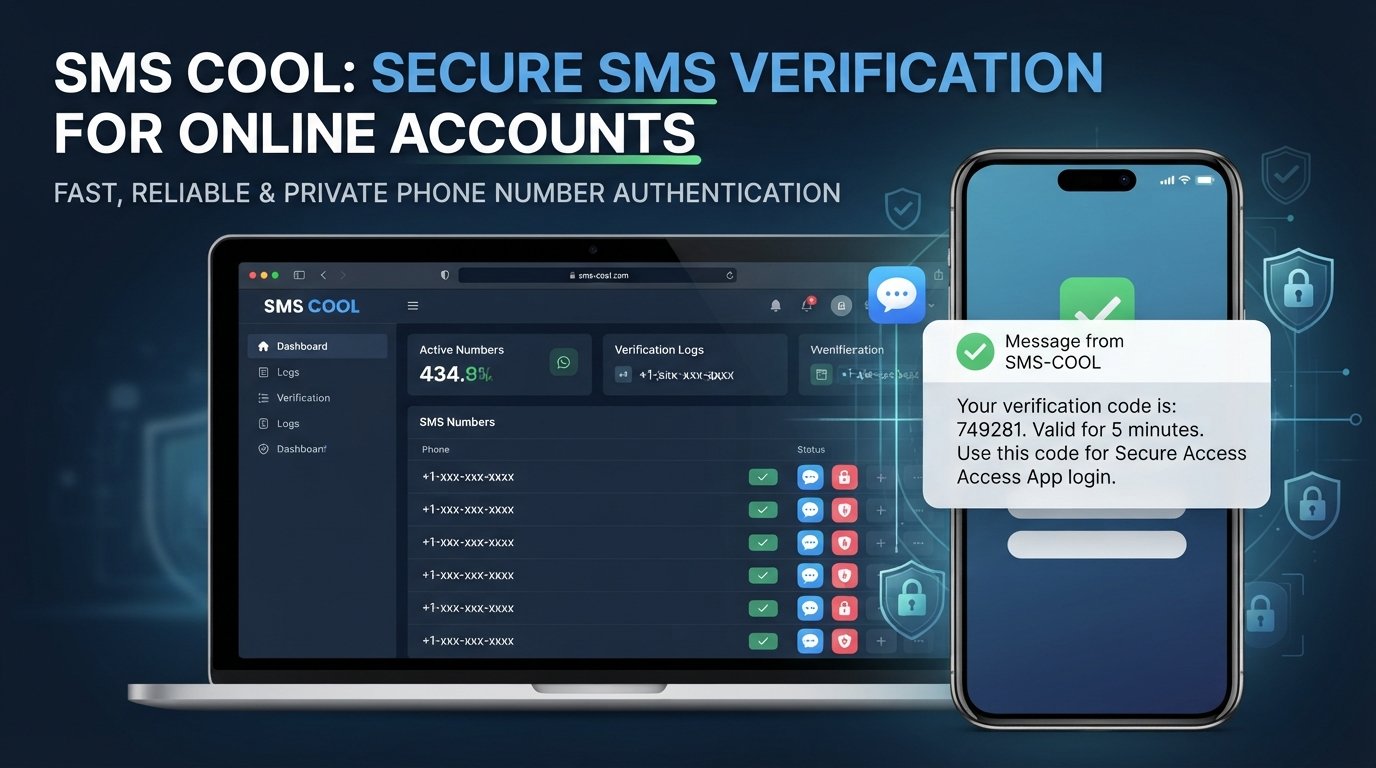
How Google SMS Verification Works
Getting a verification code by text message can feel almost instant: you enter a phone number, wait for an SMS, type in the code, and continue. But behind that simple interaction is an authentication process designed to help confirm that a person has access to a particular phone number.
Google SMS verification is one common form of phone-based authentication. It can appear during account-related activities when Google asks a user to confirm a phone number or verify access through an SMS code. Understanding how the process works can make it easier to troubleshoot missing messages and choose a practical SMS verification option when appropriate.
In this guide, you will learn how Google SMS verification works, why verification codes are sent, what can prevent a message from arriving, and how SMS COOL can help users who need a convenient way to receive SMS verification codes.
What Is Google SMS Verification?
Google SMS verification is a phone-based verification process in which a code is sent by text message to a phone number. The recipient enters that code into the relevant Google verification screen to demonstrate access to the number.
A Google verification code is generally a short, time-sensitive code. It is different from a password because it is intended to confirm possession or access to the phone number involved in the verification process.
The exact circumstances in which Google requests verification can vary. Google may also offer different verification methods depending on the account, activity, device, location, and other factors.
How does Google SMS verification work?
Google SMS verification works by sending a temporary verification code to a phone number associated with the verification process. The user receives the SMS, enters the code on the requested verification screen, and Google checks whether the submitted code matches the one issued for that verification attempt.
The basic flow is straightforward:
- A Google service requests phone number verification.
- You provide an eligible phone number.
- Google sends an SMS verification code.
- You receive the text message.
- You enter the code into the verification field.
- Google validates the code and continues the process if verification succeeds.
This is why having access to a phone capable of receiving the relevant SMS is essential.
Why Does Google Send Verification Codes?
Verification codes add another layer of confirmation beyond information such as an email address or password.
A phone number can serve as an additional point of contact during certain verification processes. Instead of relying only on information entered into a form, the service can ask the user to demonstrate access to the number by entering a code delivered through SMS.
This can help with activities involving:
- Phone number verification
- Google account verification
- Certain security or account-related actions
- Confirming access to a provided phone number
- Additional identity or access checks when requested
It is important to remember that SMS verification is only one possible authentication method. Google determines which verification options are available and may change the required method depending on the circumstances.
What Happens When You Request a Google Verification Code?
When you select an option to receive a verification code by SMS, several steps occur in a short period.
1. A phone number is submitted
The process starts when a phone number is entered into the appropriate Google verification interface.
2. A verification request is processed
Google processes the request and determines whether SMS is an available verification method for that particular situation.
3. The SMS is sent
If SMS verification is available, a temporary code is sent to the submitted number.
4. The message reaches the phone
The mobile network and receiving service deliver the SMS. Delivery speed can vary because messaging systems and network conditions are not always identical.
5. The code is entered
The recipient enters the SMS verification code into the relevant verification field.
6. The code is checked
The submitted code is compared with the verification request. If the code is valid and has not expired, the verification process may continue.
This explains why repeatedly requesting new codes can sometimes create confusion. If several messages arrive, it is important to use the code associated with the most recent valid request and follow the instructions displayed by Google.
Common Problems With SMS Verification
Although verification by SMS is simple in principle, users can occasionally encounter problems.
One of the most frustrating situations is waiting for a Google verification code that never appears. Other users may receive a message but find that the code no longer works.
Common issues include:
- Incorrectly entered phone numbers
- Weak or unavailable mobile service
- Delayed SMS delivery
- Carrier or network-related filtering
- Too many verification attempts
- An expired verification code
- A code being requested repeatedly
- Restrictions associated with a particular number or verification method
- Google requiring a different verification method
The best first step is to carefully read the instructions on the Google verification screen rather than repeatedly requesting codes.
Why Verification Codes May Not Arrive
If you cannot receive an SMS verification code, check the basics before assuming the verification system is broken.
First, confirm that the phone number was entered correctly. Then make sure the receiving phone or service can actually receive SMS messages.
It can also help to wait briefly before requesting another code. Repeated requests can result in multiple messages arriving close together, making it difficult to determine which code should be used.
If the problem continues, consider whether the number is suitable for the specific verification process. Some online services provide numbers intended for SMS verification, but availability and acceptance can vary from one platform to another.
Google may also decide that another verification method is required. No third-party SMS verification service should be presented as a way to bypass Google's security systems or guarantee approval.
How SMS COOL Can Help With SMS Verification
For users who need a practical way to receive verification SMS, SMS COOL can be a convenient option to consider.
SMS COOL is an SMS verification service designed to provide suitable phone numbers for receiving verification messages. Instead of relying on a personal mobile number for every online verification situation, users can use an available number intended for receiving SMS codes where the service and platform allow it.
The basic concept is simple: choose an available number for the relevant verification purpose, use that number where permitted, and monitor the associated SMS messages for the verification code.
Why choose SMS COOL for verification?
There are several situations in which a dedicated SMS verification solution can be useful.
For example, someone may prefer not to use a personal phone number for every online service. Another user may need a separate number for a particular registration or verification workflow. In these situations, an online SMS verification service can make the process more organized and convenient.
SMS COOL may be useful when you need to:
- Receive SMS verification codes without relying on your primary number
- Use a suitable number for an online verification workflow
- Separate verification messages from everyday personal messages
- Access verification SMS through a dedicated service
- Simplify the process of receiving codes for supported platforms
The important point is that SMS COOL is a practical tool for receiving verification messages—not a guarantee that every platform will accept every number.
Benefits of Using SMS COOL
A dedicated verification service can offer convenience when personal phone numbers are not the preferred option.
Convenience
Instead of managing every verification request through your primary mobile number, SMS COOL can provide a more focused way to handle supported SMS verification needs.
Separation from personal messages
Keeping verification traffic separate from personal communications can make it easier to identify incoming codes and manage different online activities.
Practical access to verification SMS
When a suitable number is available and supported for the intended service, SMS COOL can simplify the process of receiving an SMS verification code.
Flexible use cases
Different online platforms have different requirements. A service such as SMS COOL may be useful for supported verification workflows where receiving an SMS code is part of the process.
Users should always check the rules of the platform they are using and avoid using a phone number in ways that violate its terms.
How to Use SMS COOL for Verification
The exact interface and availability of numbers can vary, but the general workflow is straightforward.
- Access SMS COOL and review the available verification options.
- Select a suitable phone number for the supported service you intend to verify.
- Enter the provided number into the relevant verification field.
- Request the verification SMS.
- Monitor SMS COOL for the incoming message.
- Retrieve the verification code when it arrives.
- Enter the code into the appropriate verification field.
- Complete the process according to the platform's instructions.
If a verification message does not arrive, avoid repeatedly submitting requests without checking the service's instructions. Availability, delivery, and platform acceptance can vary.
For SMS COOL for Google verification, the same principle applies: use the service only where the available number is suitable and permitted, and follow Google's verification requirements.
SMS Verification Security and Privacy Considerations
Convenience should never replace good security practices.
Never share a verification code with another person simply because they request it. A code sent to your phone can be an important part of an authentication process.
When using an online SMS verification service, consider the following:
- Use services you understand and trust.
- Read the provider's terms and privacy information.
- Do not use verification numbers for activities that violate platform rules.
- Never share sensitive verification codes unnecessarily.
- Follow Google's instructions whenever Google account verification is involved.
- Understand that a temporary or virtual phone number may not be appropriate for every account or service.
A secure SMS verification approach means considering both convenience and the security requirements of the account or platform involved.
Frequently Asked Questions
What is Google SMS verification?
Google SMS verification is a phone number verification process that can involve sending a temporary code by text message. The user enters the received code to confirm access to the phone number.
How does a Google verification code work?
A Google verification code is a temporary code associated with a specific verification request. After receiving it by SMS, the user enters the code into the requested verification field for validation.
Why am I not receiving my Google SMS code?
Possible reasons include an incorrect number, SMS delivery delays, network issues, repeated requests, or Google requiring another verification method. Check the number and instructions before requesting another code.
Can I use a temporary number for SMS verification?
A temporary phone number for verification may be suitable for some supported services, but acceptance varies. Always check the platform's requirements and terms before using one.
Is SMS verification secure?
SMS verification can provide an additional authentication step, but users should still protect their verification codes and follow the security practices recommended by the relevant service.
How does SMS COOL help with verification?
SMS COOL provides access to phone numbers intended for receiving SMS messages for supported verification workflows. It can be useful when users prefer an alternative to using a primary personal number.
What should I do if my verification code expires?
Request a new code if the service provides that option, then use the latest valid code according to the instructions shown on the verification screen. Avoid relying on an older expired message.
Final Thoughts
Understanding how Google SMS verification works makes the process much less confusing. A verification request typically involves providing a phone number, receiving a temporary Google verification code by SMS, and entering that code into the appropriate verification screen.
When a personal phone number is not the preferred option, an SMS verification service such as SMS COOL can provide a practical alternative for supported verification workflows. Its value is straightforward: it can simplify access to SMS messages and help users manage verification codes without automatically relying on their primary number.
However, no third-party service should be viewed as a shortcut around Google's security requirements. Verification rules can vary, and Google ultimately determines which verification methods and phone numbers are accepted.
If you need a convenient way to receive verification codes for supported services, explore SMS COOL and see whether its available SMS verification options fit your particular needs. Use the service responsibly, follow Google's terms and the rules of the platform you are verifying, and treat every verification code as sensitive information.