15 Aug 2026
How Disposable Mobile Numbers Work: SMS Verification Explained
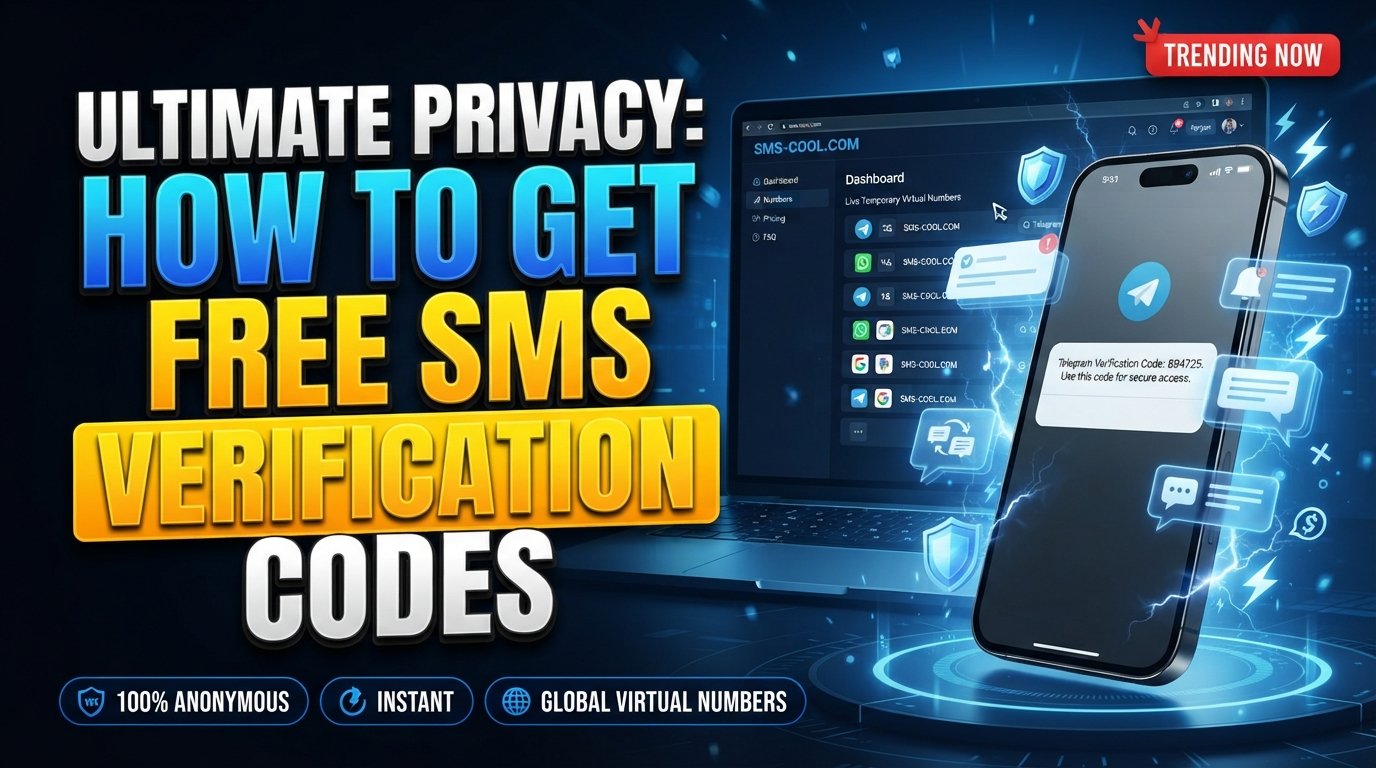
How Disposable Mobile Numbers Work: SMS Verification Explained
Online privacy has become harder to maintain. A phone number that was once mainly used for calls and messages can now be requested for registrations, account creation, service testing, promotions, and SMS verification.
That creates a simple problem: Do you really want to give your personal number to every website or service that asks for one?
This is where disposable mobile numbers can be useful. A disposable number is designed for temporary or limited-use situations, allowing you to receive messages without immediately exposing your everyday personal number.
For people who need a practical way to receive temporary SMS messages, SMS COOL provides a convenient option to explore. Instead of using your primary number for every online registration, you can use a temporary number when the situation calls for one.
But how do these numbers actually work? What happens to the SMS sent to them? And when should you use one instead of your permanent phone number?
Let's break it down.
What Are Disposable Mobile Numbers?
Disposable mobile numbers are phone numbers intended for temporary, limited, or specific online purposes.
Unlike a regular personal number that you may keep for years and associate with important contacts and accounts, a disposable phone number can be used for a particular task and then set aside when it is no longer needed.
Depending on the service providing the number, it may be possible to use a temporary mobile number to receive SMS messages through an online interface.
A typical use might look like this:
- You need a phone number for an online registration.
- You obtain a temporary number from a suitable provider.
- You enter that number into the registration form.
- The service sends an SMS verification code.
- You view the incoming message through the temporary-number service.
- You enter the verification code where required.
The main idea is separation. Your personal phone number stays separate from a short-term online activity.
How Do Disposable Mobile Numbers Work?
The process is usually straightforward, although the exact experience depends on the provider and the service sending the SMS.
1. Choose a temporary number
First, you select an available number through a disposable-number or virtual-number service.
Some services provide numbers specifically for receiving SMS online. Availability can vary by country, region, and platform.
2. Use the number for your online task
You enter the temporary phone number into the website, app, or service requesting a number.
For example, you might need a temporary phone number for SMS during an online registration or testing process.
3. The SMS is delivered to the number
If the website sends an SMS verification code, the message is routed to the temporary number.
Instead of appearing on your personal smartphone, the message may be displayed through the provider's online interface.
This is what makes a temporary SMS number useful: it creates a separate destination for messages associated with a short-term activity.
4. Retrieve the verification code
You open the relevant SMS message and use the verification code provided by the service.
This can make online SMS verification more convenient when you do not want to expose your everyday number.
5. Stop using the number when appropriate
Once the temporary task is finished, you may no longer need the number.
Depending on the service and number arrangement, the number may later become unavailable to you. That's why disposable numbers are generally better suited to temporary activities rather than accounts that you expect to manage for a long time.
Why Do People Use Disposable Phone Numbers?
There are several legitimate reasons someone may want a disposable phone number.
Protecting phone-number privacy
Your personal number can become closely connected to your identity and everyday communications. Using a separate number for certain online activities can reduce unnecessary exposure.
For privacy-conscious users, this can be a simple form of phone number privacy.
Temporary online registrations
Some websites ask for a phone number during sign-up. If you only need to complete a short-term registration, a temporary number may be more appropriate than your primary number.
SMS verification
A temporary number can sometimes be used to receive a verification message and complete a legitimate registration or confirmation process.
Testing services
Developers, marketers, and other users may need to test SMS-related workflows without repeatedly using their personal number.
Separating online activity
A separate number creates a useful boundary between your personal communications and certain online activities.
It can also help reduce the number of services that have your primary phone number, potentially limiting unwanted messages or calls associated with sharing that number widely.
Disposable Mobile Numbers for SMS Verification
One of the most common reasons people search for disposable mobile numbers is SMS verification.
SMS verification is a process in which a website or application sends a unique code to a phone number. The user enters that code to confirm access to the number or complete a particular step.
For example:
Website → SMS verification number → SMS code → User enters code → Verification step completed
A disposable phone number for SMS verification can provide an alternative to using your personal number when the service permits temporary numbers.
However, there is an important limitation: not every website accepts disposable or virtual numbers.
Some platforms may identify temporary numbers and reject them. Others may require a permanent mobile number or impose additional verification requirements.
So a temporary number should be viewed as a convenient option, not a guaranteed solution for every SMS verification service.
Disposable vs. Permanent Phone Numbers
The difference becomes clearer when you compare how each type is intended to be used.
FeatureDisposable/Temporary NumberPermanent Personal NumberTypical durationShort-term or limited useLong-termPrivacyHelps limit exposure of your personal numberOften directly associated with youBest forRegistrations, testing, temporary verificationPersonal communication and important accountsConvenienceQuick for specific online tasksReliable for ongoing communicationLong-term account recoveryGenerally not idealUsually more appropriate
A permanent number is valuable when continuity matters. Your banking, primary email, messaging apps, and other important accounts may depend on a number you control consistently.
A disposable number is more appropriate when the task itself is temporary.
Benefits of Using a Temporary Phone Number
A temporary phone number can offer several practical advantages.
- Greater separation: Keep your primary number separate from short-term online activity.
- Privacy-conscious registration: Avoid sharing your personal number when it is not necessary.
- Convenient SMS access: Receive temporary messages through an online service.
- Useful for testing: Test SMS workflows without relying entirely on your personal number.
- Reduced exposure: Limit the number of websites and services that receive your everyday number.
- Flexible short-term use: Obtain a number when a specific temporary task requires one.
These benefits are primarily about convenience and control. A disposable number should not be treated as a guarantee of anonymity or as a replacement for security practices such as strong passwords and appropriate account recovery options.
How SMS COOL Makes Temporary SMS Verification Easier
If you need a practical way to work with temporary numbers, SMS COOL is designed around the simple idea of making temporary SMS access more convenient.
Instead of immediately giving an online service your personal number, you can explore a temporary-number option for situations where a disposable number is appropriate.
The general experience is simple:
- Choose a suitable temporary number through SMS COOL.
- Enter the number on the website or service where you are completing a legitimate registration or verification step.
- Wait for the SMS to be sent to the temporary number.
- Check the received message through the available SMS COOL interface.
- Use the SMS verification code to complete the applicable step.
This approach can be particularly useful when you want to receive SMS online without a personal number for a temporary activity.
SMS COOL can also be useful for people who want a temporary number for online verification, service testing, or registrations where sharing their primary number feels unnecessary.
The important point is to use temporary numbers responsibly and to check whether the website or service permits them.
When Should You Use a Disposable Number?
Disposable numbers can make sense in situations where you need temporary access rather than a permanent communication channel.
Examples include:
A short-term online registration
If you are signing up for a service that requires SMS confirmation and you do not want to immediately associate your personal number with that activity, a temporary number may be worth considering.
Testing an SMS workflow
If you are testing how a service sends messages, a virtual mobile number can provide a separate destination for test messages.
Protecting your primary number
When a website does not need your personal number for long-term communication, a temporary number can help you keep your main contact information separate.
Temporary online activities
Some short-term registrations and online tasks may benefit from having a dedicated temporary SMS number rather than using your everyday mobile number.
The key is to choose the right tool for the right situation. A disposable number is not a substitute for a permanent number when an account genuinely needs long-term ownership and reliable recovery.
Things to Consider Before Using a Disposable Mobile Number
Disposable numbers are useful, but they are not suitable for every situation.
Some platforms may reject temporary numbers
Websites and apps can have their own rules regarding virtual, shared, or temporary numbers. Acceptance can vary considerably.
Some services require a permanent number
Important services may require a number that you control over the long term. In those cases, a disposable number may not be appropriate.
Avoid using temporary numbers for critical long-term accounts
If an account contains important personal information, financial information, or data that you may need to recover later, relying on a temporary number can create unnecessary problems.
Follow the service's rules
Always use a number in accordance with the website's terms and applicable policies. Temporary numbers should be used for legitimate purposes, not to bypass restrictions or engage in prohibited activity.
Frequently Asked Questions
What is a disposable mobile number?
A disposable mobile number is a temporary or limited-use phone number that can be used for activities such as receiving SMS messages, temporary registrations, or testing services without immediately exposing your personal number.
How does a temporary phone number work?
You obtain a temporary number from a provider, enter it where a phone number is requested, and receive eligible SMS messages through the provider's system. Once the temporary task is finished, you may stop using the number.
Can I receive SMS verification codes with a disposable number?
Yes, a temporary number can receive SMS verification codes when the relevant service accepts that type of number and sends the message successfully. Acceptance is not guaranteed across all websites.
Are disposable phone numbers safe for privacy?
They can help reduce unnecessary exposure of your personal phone number. However, they should not be considered a guarantee of complete anonymity. Users should also consider the privacy practices and policies of the provider they choose.
What is the difference between a temporary and permanent phone number?
A temporary number is generally intended for short-term or specific activities, while a permanent number is designed for ongoing communication and long-term account access.
How does SMS COOL work?
SMS COOL provides access to temporary numbers that can be used for appropriate online activities involving SMS messages. Users can select a suitable number, provide it to the relevant service, and check for incoming SMS messages through the available interface.
When should I use a temporary SMS number?
A temporary SMS number can be useful for legitimate short-term registrations, testing, privacy-conscious online activities, and situations where you need to receive a temporary SMS without exposing your primary number.
Conclusion
Disposable mobile numbers offer a straightforward way to separate temporary online activities from your personal phone number.
The basic process is simple: obtain a temporary number, use it for an eligible online activity, receive the SMS verification code, and complete the required step. When the number is no longer needed, you can move on without making your personal number part of every short-term registration.
For users who want a convenient way to receive SMS online, protect their phone-number privacy, or handle temporary registrations, SMS COOL provides a practical solution to consider.
Just remember that temporary numbers have limitations. Some platforms may reject them, some accounts require permanent numbers, and important long-term accounts should generally remain connected to contact information you reliably control.
If you have a legitimate need for a temporary phone number, explore SMS COOL and see how a disposable number can make your next online SMS verification or short-term registration more convenient—without unnecessarily exposing your everyday phone number.