17 Aug 2026
Choosing a Number for Account Verification: A Practical Guide
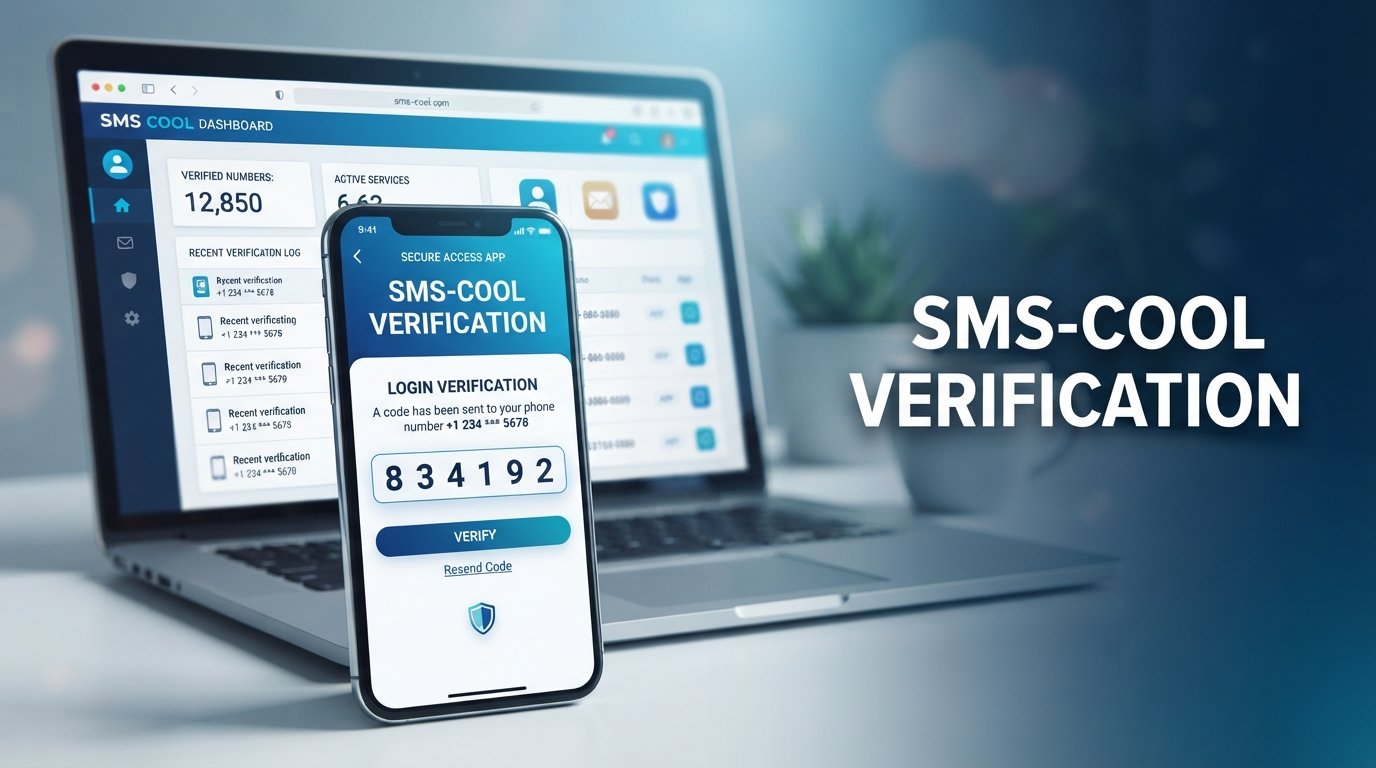
Choosing a Number for Account Verification
Creating or accessing an online account often comes with one simple requirement: enter a phone number and confirm the code sent by SMS. While the process sounds straightforward, choosing a number for account verification can make a surprising difference.
The right number should be accessible when you need it, capable of receiving verification messages, and appropriate for the service you are using. A poorly chosen number can lead to delayed OTPs, missed verification SMS messages, or problems when you need to access an account again.
Fortunately, you do not always have to rely on your primary personal number. Depending on the service and its policies, a suitable virtual or temporary phone number can provide a practical alternative. Services such as SMS COOL make it easier to select an available number and receive supported verification messages online.
Why Choosing the Right Verification Number Matters
A phone number is often used as part of an account's identity and security process. During registration or login, a website or app may send an account verification code to confirm that you can access the number provided.
If the number cannot receive the message, the verification process stops.
A reliable phone number for account verification can help you:
- Receive SMS verification messages when they are sent.
- Complete OTP verification without waiting for a physical SIM.
- Keep certain verification messages separate from your everyday texts.
- Access a number online when that option is supported.
- Reduce unnecessary use of your personal number for suitable services.
However, convenience should not come at the expense of responsible use. Always follow the terms and verification requirements of the website or application you are using.
What Makes a Good Number for Account Verification?
Not every phone number is equally suitable for online verification. Before choosing a verification phone number, consider a few practical factors.
1. SMS Reception
The most important requirement is the ability to receive incoming SMS messages. If a number cannot receive automated messages from the service you are trying to verify, it will not help you complete the process.
2. Availability
A number needs to be available when you actually need the verification message. If you are using an online service, check whether the number is currently offered and ready to receive messages.
3. Country Compatibility
Some platforms restrict verification numbers by country or region. A service may accept numbers from certain locations while rejecting others, so choose a number that matches the requirements of the account you are legitimately creating or accessing.
4. Visibility of Incoming Messages
When using an online number, you should be able to clearly identify the incoming verification SMS and read the OTP or confirmation code without unnecessary complications.
5. Appropriate Use
Consider whether you need the number for a one-time verification or whether you may need access to the same number later. A temporary phone number can be convenient for a single supported verification, while a longer-term number may be more appropriate when ongoing account recovery could depend on it.
Common Options for SMS and OTP Verification
There are several types of numbers people may consider when they need online phone verification.
Personal Mobile Number
Your regular mobile number is usually the simplest option. It is already connected to your phone and is generally convenient for accounts you expect to use for a long time.
The downside is that you may not want to give your personal number to every service that requests verification.
Dedicated Secondary Number
A second SIM or mobile number can separate account-related messages from your primary communications. This can be useful if you frequently register for legitimate services that require phone number verification.
However, maintaining another physical number can involve additional costs and management.
Virtual Phone Number
A virtual phone number can receive communications without requiring a traditional physical SIM in your device. Depending on the provider and the receiving service, it may be suitable for SMS verification.
Virtual numbers vary considerably in availability, features, and platform acceptance, so it is important to check whether the service you are using supports them.
Temporary Phone Number
A temporary phone number can be useful when you only need to receive a verification message for a legitimate, short-term purpose. This can reduce the need to use your personal number for every supported registration.
Temporary numbers are not ideal for every situation, particularly when an account may later require the same number for recovery or security checks.
Problems With Using the Wrong Verification Number
Choosing a number simply because it is available can create problems later.
One common issue is failing to receive the expected SMS. The number might not support messages from the particular service, or the service may restrict certain types of virtual or temporary numbers.
Another problem is expiration. If you use a temporary number for an account that later requires phone-based recovery, you may no longer have access to it.
You may also encounter:
- Delayed OTP messages.
- Numbers that are unavailable in your required country.
- Services that do not support certain virtual numbers.
- Difficulty identifying the correct verification code.
- Loss of access to a number that was needed for future account recovery.
For important accounts, think beyond the initial registration. If a service uses your phone number as part of ongoing security, choose an option you can reliably access in the future.
How SMS COOL Makes Account Verification Easier
When a service supports the use of an online number, SMS COOL offers a convenient way to obtain a number and receive supported verification SMS messages online.
Instead of relying exclusively on a physical SIM, users can select an available number through the service and monitor incoming messages for the verification code.
This can be particularly practical when you need a number for OTP verification but prefer not to use your primary mobile number for a particular legitimate purpose.
The process is designed around a simple need: choose an available number, use it where permitted, and check for the incoming SMS. There is no need to complicate the task with unnecessary setup.
Of course, acceptance depends on the individual website, application, and its verification policies. No online number provider can reasonably guarantee that every service will accept every number.
How to Use SMS COOL for Verification
Using an online SMS service for legitimate account verification can be straightforward.
Step 1: Check the Service's Requirements
Before selecting a number, confirm that the website or app permits the type of number you intend to use. Pay attention to country requirements and any restrictions concerning virtual or temporary numbers.
Step 2: Choose an Available Number
Use SMS COOL to select a suitable available number based on the supported options shown to you. Choosing the correct country or number type can help avoid unnecessary verification problems.
Step 3: Enter the Number
Enter the selected number into the phone-number field on the service you are legitimately verifying.
Step 4: Request the Verification SMS
Submit the verification request and wait for the service to send its OTP or confirmation message.
Step 5: Receive the Code
Check the SMS messages associated with your selected number. Once the account verification code arrives, enter it into the appropriate verification field.
Step 6: Complete the Process
After the code is accepted, finish the account setup or verification process according to the service's instructions.
If the SMS does not arrive, avoid repeatedly requesting codes immediately. Check the number, country selection, service requirements, and message status first.
Convenience and Accessibility Benefits
One of the biggest advantages of online SMS verification is convenience.
A traditional mobile number requires a physical SIM, an active device, and access to the phone receiving the message. An online service can simplify the process when a supported number is all you need for a particular verification.
For users who regularly work across devices, manage different online services, or want to keep certain verification messages separate from their personal communications, an online SMS verification number can be practical.
SMS COOL can also make the process easier by bringing number selection and incoming verification messages into one online workflow.
The key is to use this convenience appropriately. For sensitive accounts where your phone number is an important recovery method, consider whether you need permanent access to the number before choosing a temporary option.
What to Consider Before Choosing a Verification Number
Before entering any number, ask yourself a few simple questions:
- Does the service accept this type of phone number?
- Is the required country supported?
- Can the number receive SMS messages?
- Will I need access to this number again?
- Is the account important enough to require a long-term number?
- Am I following the website's terms and verification rules?
- Do I need a personal number, secondary number, or online option?
These questions can prevent many common verification headaches.
For one-time, legitimate situations, temporary access may be sufficient. For accounts you expect to keep for a long time, a stable number that you control may be the safer choice.
Frequently Asked Questions
What is the best number for account verification?
The best number is one that the relevant service accepts, can reliably receive SMS messages, and remains accessible for as long as you need it. The right choice depends on the account and its security requirements.
Can I receive SMS online for account verification?
Yes, online SMS services can provide numbers capable of receiving supported messages online. However, acceptance varies by website or application, so check the service's rules before using one.
Can a temporary phone number receive OTP codes?
A temporary number may receive OTP codes when the relevant service supports that number type. It should not be assumed that every platform will accept temporary or virtual numbers.
What is the difference between a virtual and temporary phone number?
A virtual phone number generally describes a number managed through an online service rather than a physical SIM. A temporary number emphasizes limited or short-term availability. A number can be virtual, temporary, or both.
Is SMS verification secure?
SMS verification provides an additional way for a service to confirm access to a phone number, but it is not the only form of account security. For important accounts, use strong passwords and any additional security features offered by the service.
Can SMS COOL receive every verification SMS?
No provider should claim universal compatibility. SMS COOL can help users receive supported verification messages, but individual websites and applications may restrict certain numbers or number types.
Should I use my personal number for every account?
Not necessarily. For suitable services, a secondary or online number can help separate verification messages from personal communications. For important accounts requiring ongoing recovery, however, a number you can reliably access long-term may be preferable.
Final Thoughts
Choosing a number for account verification is more than finding any phone number that happens to be available. You need to consider SMS reception, country compatibility, accessibility, platform policies, and whether you will need the number again later.
Personal numbers, secondary SIMs, virtual numbers, and temporary phone numbers can all serve different purposes. The right choice depends on what you are verifying and how important continued access will be.
When an online number is appropriate and supported, SMS COOL provides a practical way to choose an available number and receive verification SMS or OTP codes online. By keeping the process simple, it can make routine account verification more convenient without requiring you to use your primary number every time.
Before getting started, always check the requirements of the service you are using and choose a number that fits your legitimate verification needs. With the right approach, receiving an account verification code can be a much simpler part of managing your online accounts.