17 Aug 2026
Are Virtual Phone Numbers Secure? Privacy & SMS Safety Guide
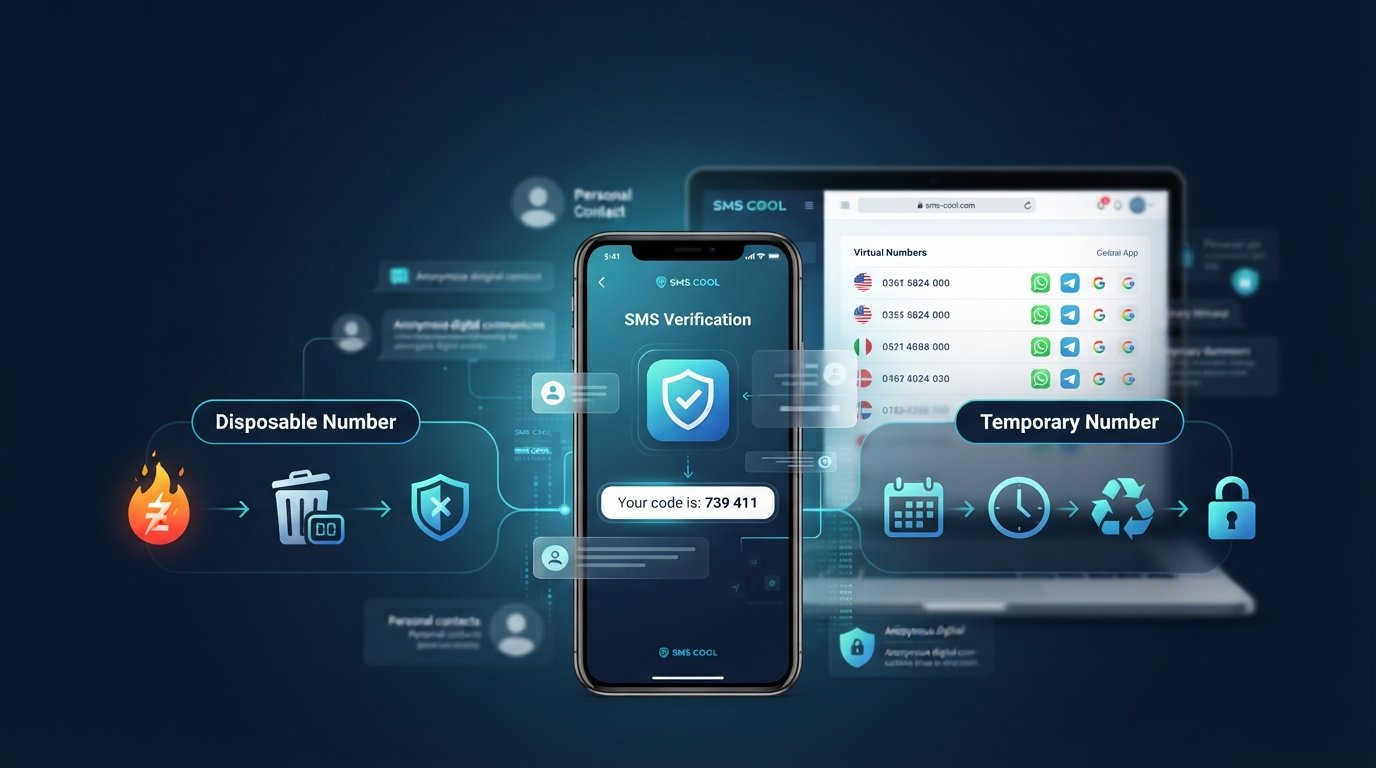
Are Virtual Phone Numbers Secure?
If you're wondering, “are virtual phone numbers secure?”, the short answer is: they can be, but security depends heavily on the service, number type, platform, and how you use the number.
A virtual phone number can be a practical way to keep your personal number away from websites, apps, marketplaces, and other online services. It can also make it easier to receive SMS online, manage verification messages, or maintain a separate number for online activities.
But a virtual number isn't automatically private or secure just because it isn't tied directly to your physical SIM card.
The real question is what happens to your messages, who can access the number, how long you control it, and whether the service takes reasonable steps to protect your account and information.
For users looking for a convenient virtual number for SMS, services such as SMS COOL can provide a practical alternative to exposing a personal phone number unnecessarily.
What Is a Virtual Phone Number?
A virtual phone number is a telephone number that works through an online or cloud-based service rather than being permanently associated with a traditional physical SIM card in your phone.
Depending on the service, a virtual number may support incoming SMS, calls, or both. Some numbers are intended for longer-term use, while others are designed for short-term activities such as receiving a verification message.
This makes virtual numbers useful for people who want an alternative phone number for online services.
For example, imagine you're signing up for a website that requires a phone number. You may not want to give that website your everyday personal number. A virtual number can create a layer between your private contact information and the service you're using.
That is where phone number privacy becomes one of the biggest advantages.
How Do Virtual Phone Numbers Work?
The basic process is relatively straightforward.
Instead of SMS being delivered directly to a physical SIM card, a virtual phone service routes messages through its online infrastructure. Depending on the provider, you may access those messages through a website, dashboard, application, or another supported interface.
For someone using a virtual number for SMS, the process can look like this:
- Choose an available virtual phone number.
- Enter that number on a supported website or application.
- The service sends an SMS verification code.
- The message reaches the virtual number.
- You view the message through the service and enter the code where required.
This is one reason people search for ways to receive verification codes online. It can be considerably more convenient than purchasing another physical SIM simply for occasional online verification.
However, convenience and security aren't the same thing.
Are Virtual Phone Numbers Secure?
Yes, virtual phone numbers can be secure, but there is no universal guarantee.
The security of a virtual number depends on several factors, including:
- The reputation and practices of the virtual number provider
- How your account is protected
- Whether access to the number is private or shared
- How incoming SMS messages are handled
- How long you retain control of the number
- The sensitivity of the service you're using
- Whether the platform accepts virtual numbers for verification
A reputable service should make reasonable efforts to protect user accounts and information. You should still treat a virtual number as a tool for privacy and convenience—not as an automatic shield against every security threat.
In particular, an SMS verification code should never be treated as something that can safely be shared with other people.
What Makes a Virtual Number Secure or Insecure?
Not all virtual numbers provide the same level of privacy.
Private access matters
If several unrelated users can view messages sent to the same number, that number is not appropriate for sensitive accounts.
A number used for a one-time, low-risk registration is very different from a number associated with banking, account recovery, or confidential communications.
Account security matters
Your virtual phone service account should have sensible login protections. A strong, unique password is a basic but important step.
If the provider offers additional account-security features, use them.
Number ownership matters
A temporary virtual number can be useful when you only need to receive a single SMS. But temporary numbers may not be suitable for accounts you expect to use for a long time.
If you lose access to a number, you may also lose the ability to receive future messages sent to it.
Platform compatibility matters
Some websites and applications restrict or reject virtual numbers. Others may accept certain number types but not others.
So a secure virtual number is only useful if the service you're using actually supports it.
Common Security and Privacy Risks
Understanding the risks is just as important as understanding the benefits.
Shared numbers
Some low-cost or public SMS services use numbers accessible by multiple people. That's a major privacy concern if the incoming message contains information you wouldn't want another person to see.
Sensitive account recovery
Using a temporary or disposable phone number as the recovery method for an important account can create problems later.
If the number expires or becomes unavailable, recovering the account may become difficult.
SMS interception and account compromise
SMS itself has security limitations. A virtual number doesn't eliminate risks associated with compromised accounts, fraudulent activity, weak passwords, or attacks against the service handling the number.
Misunderstanding privacy
A virtual number can reduce the amount of personal information you reveal to a website, but it does not necessarily make you anonymous.
Your activity may still be associated with an account, email address, IP address, device, payment information, or other identifiers.
That's why virtual numbers for privacy should be viewed as one part of a broader privacy strategy.
Why Use a Virtual Phone Number?
When used appropriately, a virtual number offers several practical advantages.
Better phone number privacy
You don't have to give your personal number to every online service that requests one.
Convenience
You can access messages online rather than managing another physical SIM card or device.
Separation
A separate number can help distinguish personal communication from online registrations, business activities, testing, or other uses.
Flexible SMS access
For supported services, you can receive SMS online without relying on your everyday mobile number.
Reduced unnecessary exposure
If a website only needs a number for a basic verification step, using an alternative number can help prevent your personal number from being unnecessarily added to another database.
Virtual Numbers for SMS Verification
One of the most common uses for virtual numbers is SMS verification.
Many online services send a short verification message containing a temporary code. Users enter the code to confirm that they can access the supplied number.
A virtual number can be useful when you want an online phone number for verification without revealing your personal mobile number.
However, there is an important distinction between verification and account security.
For low-risk registrations, a temporary number may be perfectly practical. For important accounts, you should carefully consider whether you need long-term control of the number and whether the platform permits virtual numbers.
If an account may later require SMS for password recovery, a number you can reliably access is much more appropriate than a disposable number.
When Is a Temporary or Disposable Number Useful?
A temporary phone number can make sense when the purpose is genuinely temporary.
For example, you might need a number to:
- Test an online service
- Complete a one-time registration
- Receive a non-sensitive SMS verification code
- Keep your personal number out of a short-term interaction
- Separate occasional online activities from your primary phone
A disposable phone number isn't ideal for everything, though.
Avoid treating temporary numbers as the default recovery method for important accounts. If you'll need the number months from now, choose an option that gives you dependable ongoing access instead.
How to Choose a Secure SMS Receiving Service
If your goal is to receive SMS online, don't choose a provider based only on price.
Look for a service that offers:
- Clear information about how numbers are provided
- Private access where appropriate
- A straightforward account-management system
- Reasonable security controls
- Clear terms and privacy information
- Reliable access to your assigned number
- Support for the type of SMS verification you actually need
Most importantly, understand what type of number you're receiving.
A private, controlled number and a publicly accessible number have very different privacy implications.
Why Privacy Matters When Receiving Verification Codes
A verification code may look harmless because it is usually only a few digits long. But the message can sometimes reveal more than the code itself.
It may identify the website you're using, confirm that an account exists, or contain information connected to your registration.
That makes secure SMS verification partly a matter of controlling who can see the incoming message.
If you're using an online SMS receiving service, don't assume that every incoming message is suitable for public or shared access.
For sensitive accounts, always follow the platform's recommended authentication methods and use a number you can securely control.
Best Practices for Using Virtual Phone Numbers Safely
You can improve your virtual phone number security by following a few simple rules:
- Use reputable virtual number services rather than unknown providers.
- Don't use a shared number for sensitive accounts.
- Never give your SMS verification code to another person.
- Use strong, unique credentials for your virtual number account.
- Keep long-term accounts attached to numbers you can reliably access.
- Don't assume a virtual number makes you anonymous.
- Check whether a website officially supports virtual numbers.
- Avoid using temporary numbers for critical account recovery.
- Review what personal information you're providing alongside the number.
- Treat SMS as one layer of authentication rather than a complete security solution.
These habits help separate the genuine privacy benefits of a virtual number from unrealistic expectations about security.
How SMS COOL Can Help You Receive SMS Online
For people who want a convenient way to use a virtual number without exposing their personal number unnecessarily, SMS COOL is a practical option to explore.
The service is designed around online access, making it useful for people who need a virtual number service for supported SMS-based activities.
You can explore the SMS COOL service here: SMS COOL
The main appeal is straightforward: instead of giving your everyday phone number to every online service that asks for one, you can consider using an alternative number where appropriate.
That can be particularly useful for SMS online, registrations, and supported verification workflows where you simply need to receive an SMS verification code.
At the same time, responsible use matters. SMS COOL should not be presented as an absolute security guarantee, and no virtual number service can remove every privacy or cybersecurity risk.
The right way to think about it is as a practical privacy and convenience layer.
Why Choose SMS COOL Instead of Exposing Your Personal Number?
Your personal phone number can become surprisingly difficult to control once you've shared it widely.
Using an alternative number can help you make more deliberate decisions about who gets access to your primary contact information.
For someone who frequently encounters phone-based registrations, an online phone number can provide useful separation. Instead of automatically entering your personal number, you have another option to consider.
That's particularly valuable when the service only needs a number to complete online SMS verification and you don't want to unnecessarily expose your primary contact details.
The key is to match the number type to the purpose. Use temporary access for temporary needs and maintain control of a number when ongoing access matters.
Final Verdict: Are Virtual Phone Numbers Secure?
So, are virtual phone numbers secure?
They can be—but security isn't built into the word “virtual.” The provider, number type, account controls, privacy practices, and your own behavior all matter.
A virtual phone number can reduce unnecessary exposure of your personal number, simplify SMS verification, and make it easier to receive SMS online. But it shouldn't be treated as an anonymous, risk-free replacement for a personal mobile number.
For users who want a practical way to separate online activities from their primary number, SMS COOL is worth exploring. It offers a convenient approach to using virtual numbers for supported SMS needs while giving users another option for protecting their personal phone number from unnecessary exposure.
If privacy, convenience, and flexible SMS access are your priorities, explore SMS COOL and choose a virtual number solution that fits the level of access and security your particular situation requires.